 comparison
Wood vs Metal Fence: Best Choice for Southwest Ranches Homes
Last Updated: October 23, 2026
Quick Summary
A wood vs metal fence decision is really a decision about total cost of ownership, not sticker price. Wood costs less upfront and needs sealing every 2-3 years, while metal costs more initially but often lasts 25 years or more with minimal upkeep. For long boundary runs on Southwest Ranches acreage, metal's lower maintenance often closes the upfront gap within the first decade.
- Metal panels can last 25 years or more with proper care, while many wood fences need major repair or replacement within 10-15 years.
- Aluminum panels range from $116 to $231 and steel panels from $293 to over $600, with size, design, and grade driving the spread.
- A 300-foot boundary run needs roughly 38 eight-foot panels plus posts, caps, and hardware.
- Metal flexes under wind load and returns to shape, while solid wood panels catch wind like a sail.
- Verify property lines, setback and easement rules, height limits, and permit thresholds with the local building department before ordering materials.
Table of Contents
- Wood vs Metal Fence: Key Differences at a Glance
- Appearance, Style, and Curb Appeal
- Durability and Lifespan in South Florida Weather
- Metal Fence Cost: What Drives the Price
- Hurricane-Resistant Fencing: How Each Material Performs
- Wood Fence Maintenance: Realistic Time and Cost
- Privacy, Airflow, and Sightlines Compared
- Local Rules, Permits, and Property Constraints
- Frequently Asked Questions
Wood vs Metal Fence: Key Differences at a Glance
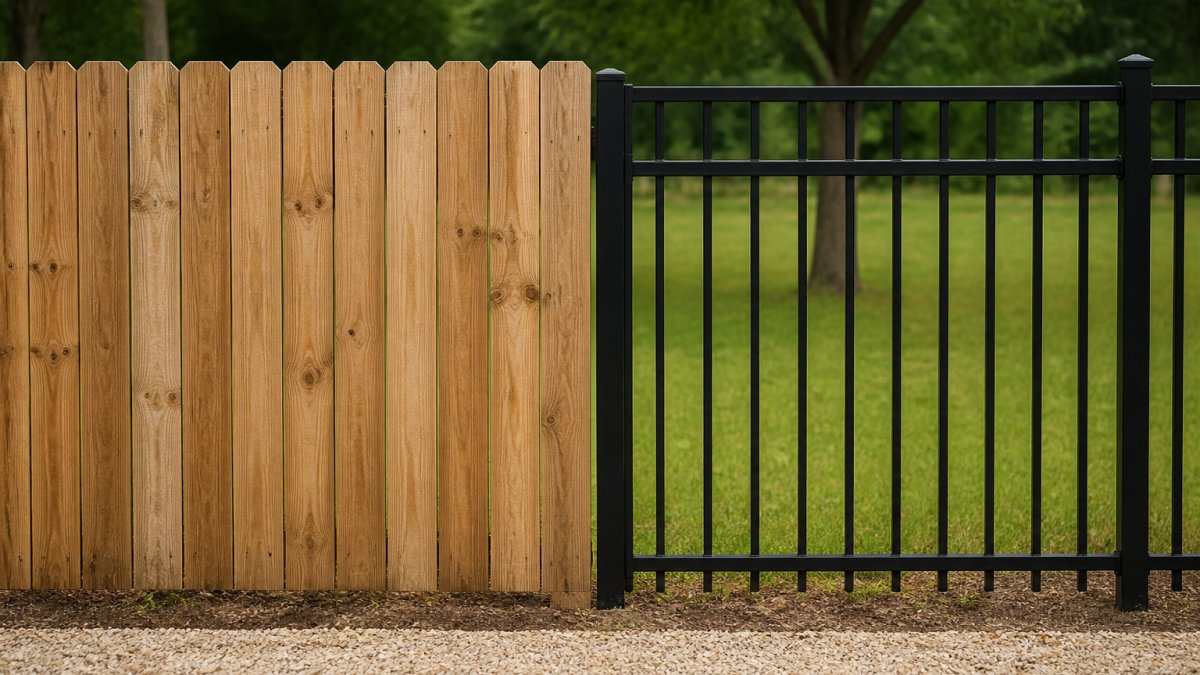
Choosing between wood and metal fencing for Southwest Ranches homes comes down to a simple trade-off: wood gives you warmth and privacy at a lower upfront price, while metal gives you longevity and near-zero upkeep.
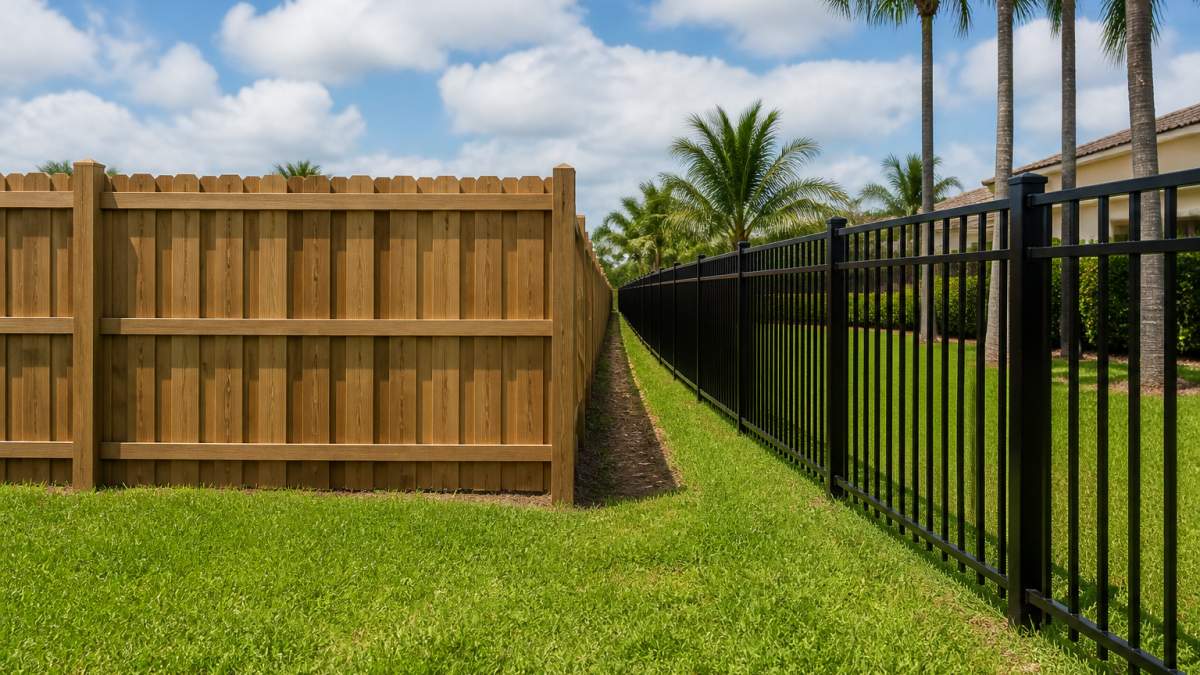
Here is the short answer before the details. A wood vs metal fence decision is really a decision about total cost of ownership, not sticker price. Wood costs less on day one and more every year after.
Side-by-Side Comparison Table
| Factor | Wood Fence | Metal Fence |
|---|---|---|
| Upfront cost | Lower | Higher |
| Lifespan | Shorter, weather-dependent | Longer, often decades |
| Maintenance | Sealing, staining, repairs | Occasional cleaning |
| Appearance | Warm, traditional, solid | Clean, open, architectural |
| Privacy | Full with solid panels | Limited unless panels added |
| Storm performance | Can crack or blow out | Flexes, resists wind better |
| Best for | Privacy, tight budgets | Long boundaries, low upkeep |
How to Read the Comparison
Do not scan that table and pick the cheaper row. Read it as two curves that cross. Wood wins early on price and privacy. Metal wins on everything measured in decades. If you plan to stay in the home long term and hate weekend projects, metal usually pays you back. When you're ready to act on the decision, see our fence and gate installation in Southwest Ranches.
Appearance, Style, and Curb Appeal
Wood fencing reads as traditional and warm, and it complements most home styles. A fence material guide from Fence Depot Co. makes the same point: wood's appeal is its natural look and design freedom.
Metal brings a different value. Aluminum fencing and wrought iron styles give clean lines and open sightlines that make a property look larger and more finished. Color matters here too.
Wood is often chosen for privacy-first backyards, while metal is preferred for front boundaries and areas where the fence should blend into the view.
Durability and Lifespan in South Florida Weather
Metal fencing outlasts wood in this climate, and it is not close. Lowe's fence buying guide notes that metal panels can last 25 years or more with proper care, and that metal is stronger and more durable than wood overall.
South Florida weather is the deciding factor most generic guides skip. Pressure-treated pine holds up reasonably well, but constant moisture pushes decay, warping, and fastener failure. Metal with a proper protective finish resists corrosion and rust far better.
For a deeper look at how materials hold up locally, our 2026 fence installation guide for Southwest Ranches covers the installation realities behind that performance.
Metal Fence Cost: What Drives the Price
Metal fence cost depends on material, panel size, design, and grade, not on a single per-foot number. Aluminum panels sit at the lower end of the metal range, steel panels cost more, and ornamental designs push higher still. Iron Fence Shop's material comparison reports aluminum panels ranging from $116 to $231 and steel panels from $293 to over $600, with size, design, and grade driving the spread.
Those are panel prices, not installed costs. Installation adds posts, setting, gates, and site work. The Home Depot's fence type guide flags the trade-off plainly: metal often requires a higher upfront investment but rarely needs replacement.
What Actually Drives the Installed Price
Four variables move a metal fence quote more than the panel sticker:
- Linear footage and panel count. A 300-foot boundary run needs roughly 38 eight-foot panels plus posts, caps, and hardware. Small changes in run length swing the total more than a panel upgrade.
- Post setting and site conditions. Long driveways, slopes, and preserve-adjacent lots may require deeper post holes, additional concrete, or grading before installation. These are labor and material line items that do not appear in panel pricing.
- Gate count and automation. A single walk gate is a modest add; a double-drive gate with an opener can rival the cost of a significant stretch of fence. On acreage properties, gate placement often drives the design.
Total Cost of Ownership: Wood vs Metal Over 20 Years
A fair comparison prices both materials over the same horizon. The pattern below generally holds on South Florida properties, though exact figures vary by site and contractor.
Wood (pressure-treated pine):
- Initial installation: lower per linear foot than metal.
- Sealing or staining every 2-3 years: a recurring labor and material cost.
- Spot repairs after storms: boards, posts, and fasteners.
Metal (aluminum or steel with protective finish):
- Initial installation: higher per linear foot.
- Maintenance: occasional rinsing, scratch touch-up, and fastener checks, minimal recurring cost.
- Replacement: most metal fences last 25 years or more with proper care, so a 20-year horizon typically includes one installation.
When you add the second wood installation and the cumulative sealing costs, the gap between the two narrows significantly. On long boundary runs, common on larger properties, the per-panel difference multiplies across dozens of panels, and the maintenance savings on metal often close the upfront gap within the first decade.
Wood's upfront advantage is real. So is the fact that you will likely replace or heavily repair it sooner. The right question is not which costs less today, but which costs less across the years you plan to own the property.
Hurricane-Resistant Fencing: How Each Material Performs
Metal handles hurricane-resistant fencing duty better than wood in most residential settings. Aluminum and steel flex under wind load and return to shape; wood cracks, splinters, and blows out panels when fasteners pull loose. Solid wood panels also catch wind like a sail.
That does not make wood useless in storm country. Proper post depth, correct concrete setting, and adequate spacing make a real difference.
Wood Fence Maintenance: Realistic Time and Cost
Wood fence maintenance is a recurring line item, not a one-time task. Plan on sealing or staining every couple of years, plus spot repairs after storms and periodic board replacement.
Metal needs far less. Rinse it occasionally, touch up scratches on the finish, and check fasteners. That is roughly the whole list.
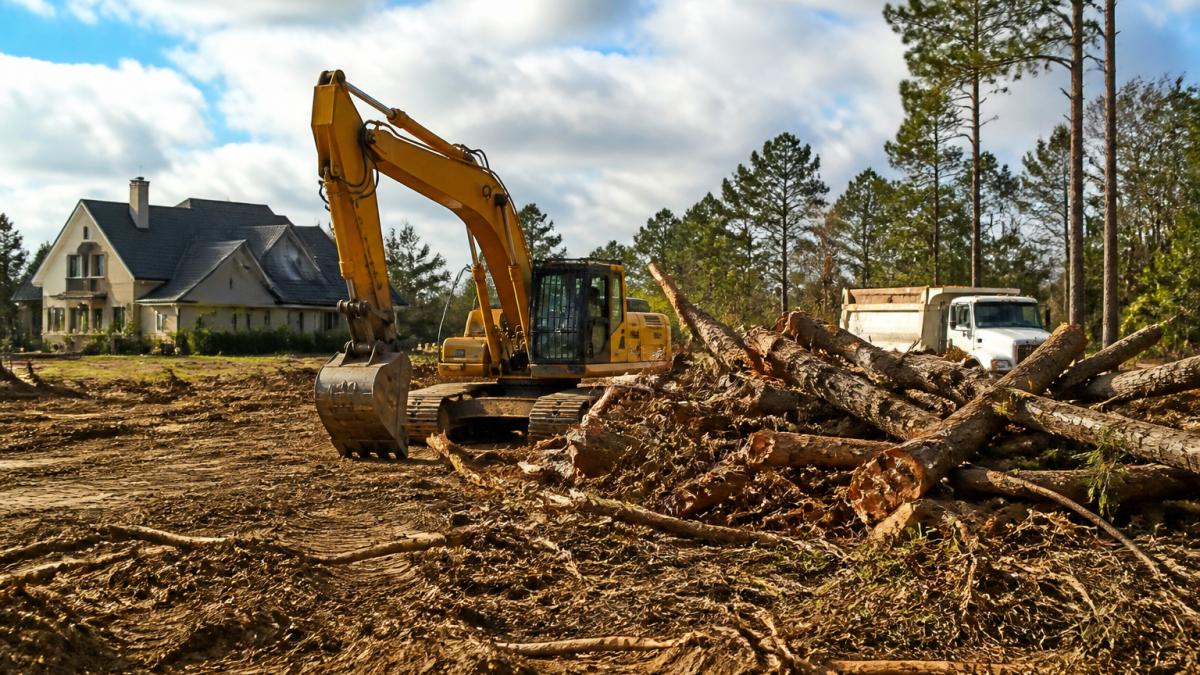
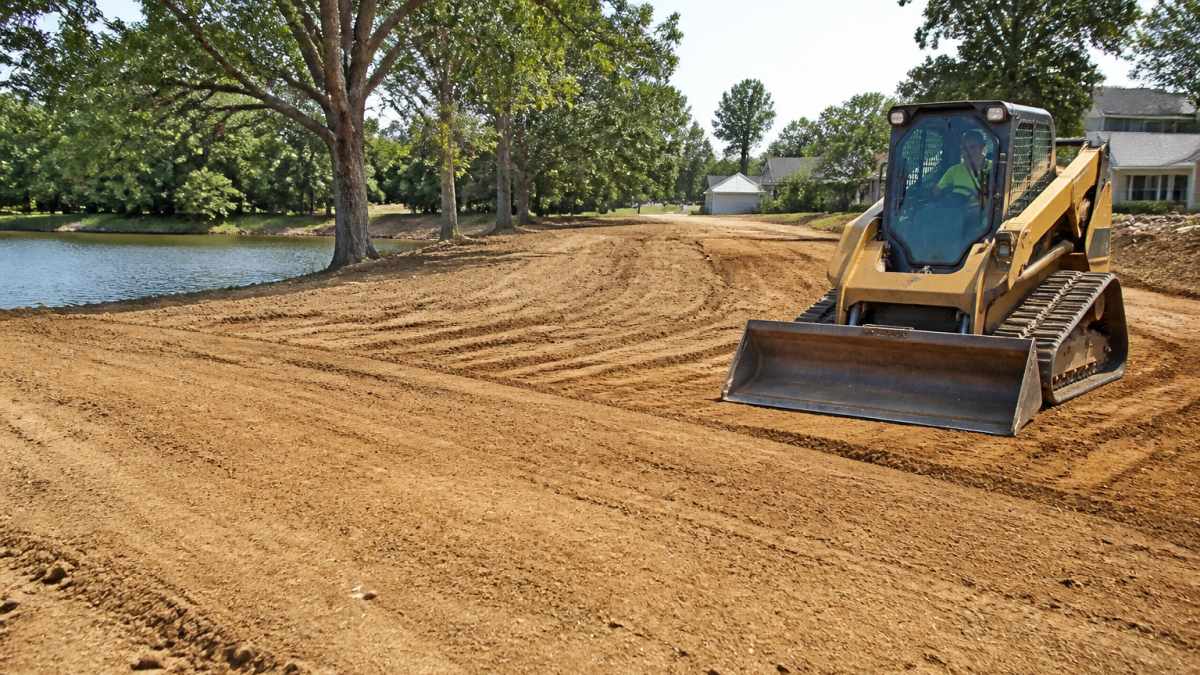
If you are preparing a lot for a new fence or restoring a damaged boundary, our step-by-step guide to preparing land for fencing covers grading, clearing, and site prep before installation day.
Privacy, Airflow, and Sightlines Compared
Wood wins on privacy. Solid panels block sightlines completely, which is why most homeowners with pools, acreage, or close neighbors choose it for back boundaries.
Metal flips that equation. Open designs preserve airflow and sightlines, which suits front boundaries and larger properties where you want definition without a wall.
For help matching height to your privacy goals, see our guide on choosing the right fence height for backyard privacy.
| Priority | Better Choice | Why |
|---|---|---|
| Maximum privacy | Wood | Solid panels block all sightlines |
| Airflow and openness | Metal | Open designs let breeze through |
| Storm wind passage | Metal | Wind moves through, less load |
| Screening a pool or yard | Wood | Full visual block |
Local Rules, Permits, and Property Constraints
Fence rules vary by property, and Southwest Ranches lots bring their own constraints: large acreage, preserve boundaries, drainage easements, and gate placement for long driveways. Permit requirements and setback rules depend on your specific lot and jurisdiction, so confirm current requirements with the local building department before ordering materials.
What to Verify Before You Order Materials
Most practitioners find these are the items that most often change a fence plan after the fact:
- Property line accuracy. On acreage lots, a fence built even a foot onto a neighbor's land can become a legal problem. A survey before installation is cheaper than moving a fence.
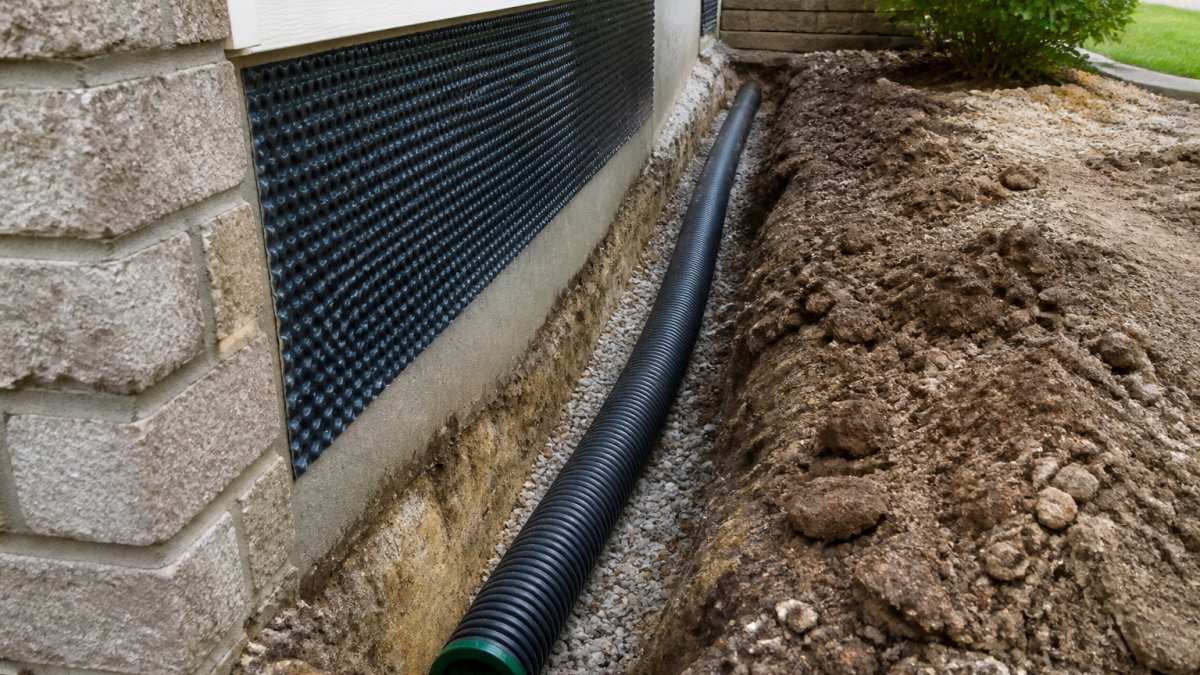
- Setback and easement rules. Drainage easements and utility easements may restrict where posts can go. A fence that blocks a drainage flow can create standing water along the boundary, a common issue on larger properties.
- Height limits. Front-yard and corner-lot visibility rules can limit fence height or require open designs near intersections. This is one reason metal's open styles suit front boundaries.
How Local Conditions Shape the Material Choice
Southwest Ranches' large lots and preserve-adjacent properties change the calculus in ways generic guides miss:
- Long boundary runs favor metal on total cost of ownership, because the per-panel savings from lower maintenance multiply across dozens of panels.
- Preserve and open-land boundaries carry higher moisture loads, which accelerates wood decay and widens metal's durability advantage.
- Drainage-sensitive lots require grading and post placement that respects water flow, work that should be planned alongside the fence, not after.
Plan gate locations and property line verification before installation, not after. On acreage properties, a fence that ignores drainage flow can create standing water along the boundary. Effective grading and drainage planning are crucial alongside fence work.
Once permits enter the picture, hiring matters as much as materials. Our guide on hiring a licensed fence contractor in Southwest Ranches walks through what to verify before you sign.
Frequently Asked Questions
What type of wood fence is best for a Southwest Ranches home?
Pressure-treated pine is the most common choice because it handles humidity and rain well when sealed. For a more natural look, cedar offers better rot resistance but costs more. In South Florida, avoid untreated softwoods that warp quickly. Whichever wood you pick, plan on sealing it within a few months of installation and reapplying every 2 to 3 years to protect against moisture and sun damage.
Which fence material requires less maintenance?
Metal fencing needs far less upkeep. Aluminum or steel panels typically just need occasional rinsing, and powder-coated finishes hold up for years. Wood requires regular sealing, staining, or painting, plus spot repairs for boards that crack or rot. If you want a low-maintenance boundary, metal is the clear winner, though wood can last decades with consistent care.
How much does a 6-foot metal fence cost compared with wood?
Metal fence cost varies by material and style. Aluminum panels often run $116 to $231 each, while steel panels range from $293 to over $600, according to industry pricing. Wood is generally cheaper upfront, but total cost depends on installation, gates, and site conditions. For an accurate quote on your property, schedule a free estimate with a local installer.
Is wood or metal fencing better for hurricane resistance?
Metal fencing generally performs better in high winds. Aluminum and steel panels with reinforced posts resist bending and rarely need replacement after storms. Wood can survive hurricanes if properly installed with deep posts and sturdy rails, but boards may crack or loosen over time. For hurricane-resistant fencing, choose metal with corrosion-resistant coatings and professional installation that meets local wind-load requirements.
Which fence is better for privacy and security?
Wood privacy fences with solid panels block sightlines completely, making them the top choice for backyards. Metal fences with open designs offer visibility, which can improve security by eliminating hiding spots. For a balance, consider metal with decorative panels or add climbing plants. Your choice depends on whether you prioritize seclusion or a more open, monitored perimeter.
The real challenge is not picking wood or metal in the abstract. It is matching the material to your lot, your budget over time, and how much upkeep you want to own. That is where OCAS Residential comes in. We install custom wood and metal fencing and gates, handle the grading and drainage that decide whether a fence lasts, and manage site cleanup so the job finishes clean. Get started with OCAS Residential and schedule a free estimate for fencing built for your property, not a generic template.