 ultimate-guide
Fence Installation in Southwest Ranches: 2026 Guide
Table of Contents
- What Makes Fence Installation in Southwest Ranches Different
- Southwest Ranches Fence Permit Requirements Explained
- Fencing Materials That Hold Up in South Florida's Climate
- Residential Fence Installation Cost Estimates: What Affects Your Price
- DIY vs. Professional Fence Installation
- How to Verify Contractor References Before You Hire
- Fence Installation, Site Prep, and What Comes Next
- Conclusion
Last Updated: August 27, 2026
What Makes Fence Installation in Southwest Ranches Different
Fence installation in Southwest Ranches is not a straightforward suburban project. The town's large-lot residential character, equestrian zoning, and South Florida's challenging soil conditions create a combination that trips up contractors who treat it like any other job. Southwest Ranches sits in western Broward County with a rural, low-density character where properties commonly run from one to five acres or more. That scale changes everything about a fence project, from material volume and labor hours to the number of permit inspections required.
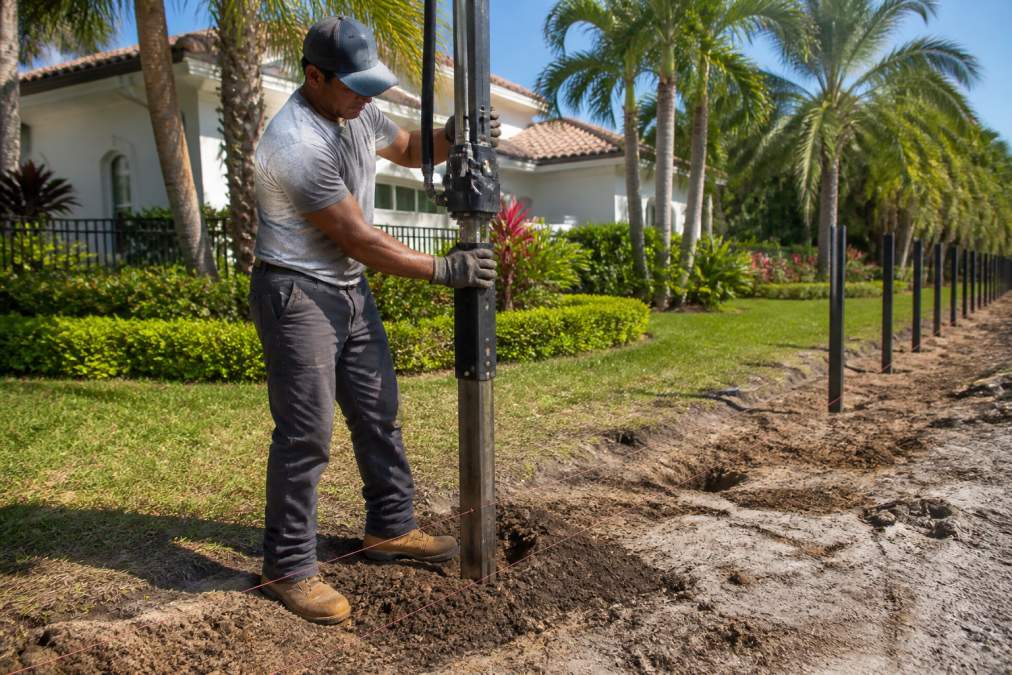
Soil, Terrain, and Drainage Considerations
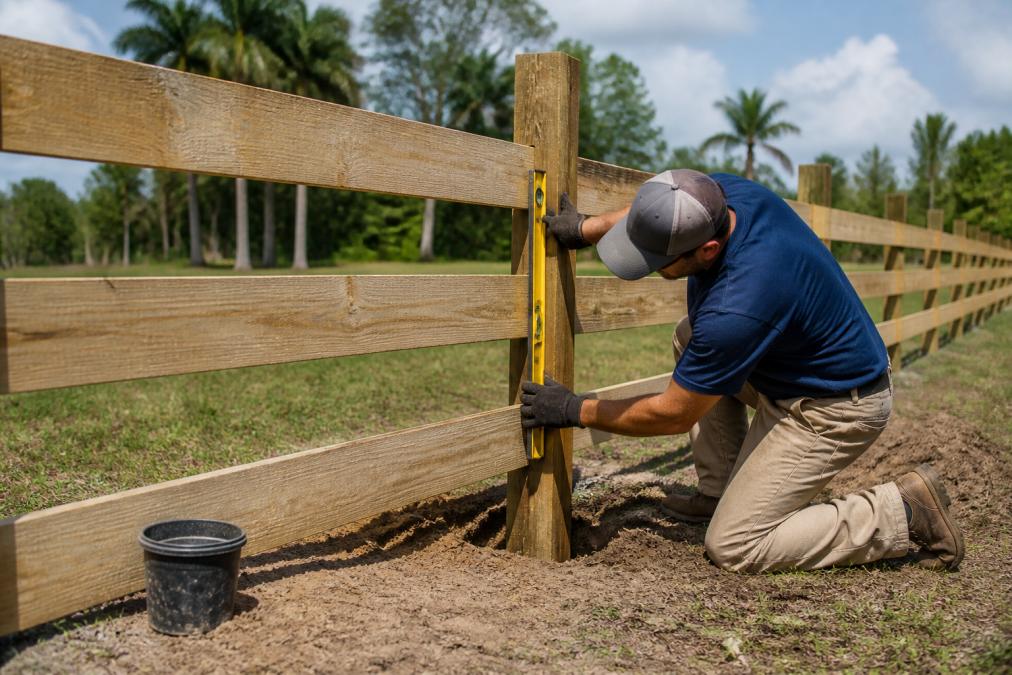
South Florida's soil profile is predominantly sandy with a high water table, meaning post holes that work in clay-heavy northern soils can shift, heave, or rot within a few years here. For a standard 6-foot privacy fence, posts typically need to be set at least 2 feet deep, and in areas with poor drainage, deeper footings with proper drainage backfill become necessary. Terrain variation across larger lots also affects post spacing and panel alignment, making a site inspection before any quote essential.
HOA Architectural Guidelines and Community Rules
Southwest Ranches has limited HOA presence compared to master-planned communities, but architectural review requirements still apply in many neighborhoods. HOA-specific guidelines can govern fence height, material type, color, and finished face orientation. A common mistake is assuming a town permit automatically satisfies HOA requirements, these are separate processes. Before any fence installation begins, request current architectural guidelines from your HOA in writing and confirm compliance before moving to the municipal permit stage.
Southwest Ranches Fence Permit Requirements Explained
Southwest Ranches fence permit requirements are governed by the Town of Southwest Ranches Building Department, which enforces the Florida Building Code alongside local amendments. A permit is required for most fence installations, including new fences and replacements that change material or height. According to the Town of Southwest Ranches official building and zoning resources, property owners should contact the Building Department directly to confirm current permit thresholds. Skipping the permit risks stop-work orders, fines, and mandatory removal orders.
Step-by-Step Permit Application Process
The permit application process follows a predictable sequence:
- Obtain a property survey. A current boundary survey showing property lines, easements, and setback lines is required.
- Prepare a site plan. Draw a site plan showing the proposed fence location relative to property lines, structures, and easements.
- Complete the permit application. Download the current form from the Town of Southwest Ranches Building Department.
- Submit and pay the permit fee. Fees vary by project scope.
- Schedule a site inspection. An inspection is typically required at post-setting stage and project completion.
- Receive final approval. Do not close up post holes or install panels before the post inspection is signed off.
Setback Requirements, Easement Lines, and Property Line Verification
Setback requirements define how far a fence must sit from a property line, road right-of-way, or structure. In Southwest Ranches, front-yard setbacks are typically more restrictive than side or rear-yard setbacks, and corner lots face additional restrictions on both street-facing sides. The Florida Building Code residential requirements provides baseline standards that local amendments build on.
Easement lines are a separate concern. Utility easements, drainage easements, and upland easements recorded on a property's title can prohibit permanent structures. Installing a fence inside an easement line is a costly mistake, the easement holder has the legal right to remove it without compensation. Property line verification is non-negotiable before installation begins. A licensed surveyor's current boundary survey is the only reliable reference.
Fencing Materials That Hold Up in South Florida's Climate
South Florida's climate is hostile to many common fencing materials. High humidity, intense UV exposure, salt air, and seasonal storm winds degrade materials that perform well elsewhere. Choosing the right material is a primary driver of fence longevity.
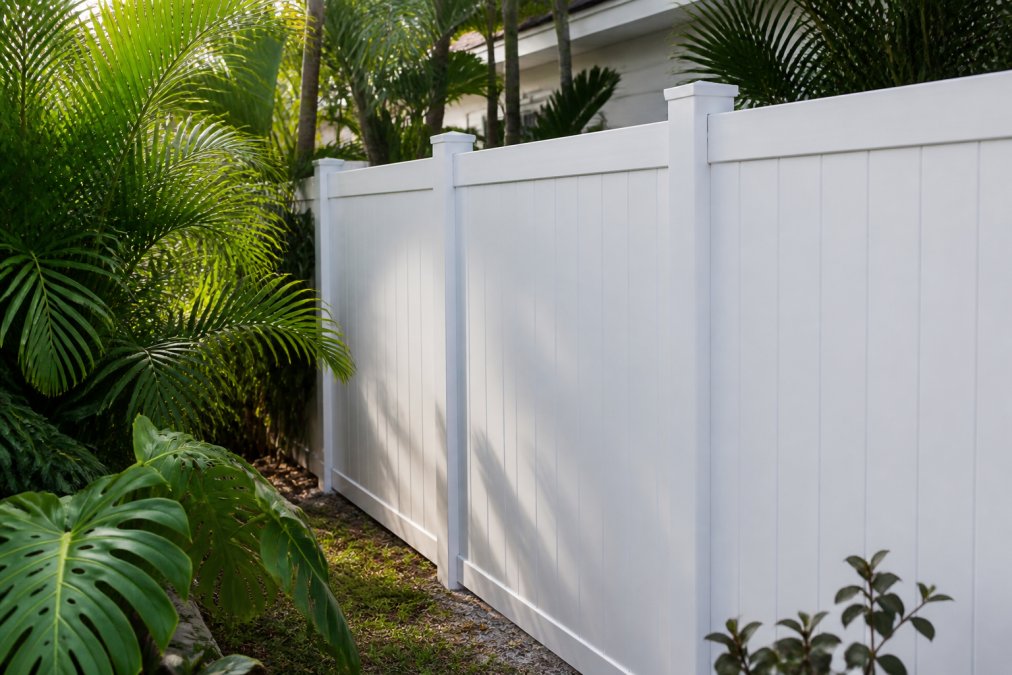
Vinyl Fencing
Vinyl fencing is one of the most practical choices for South Florida residential properties. It does not rot, rust, or absorb moisture, and it resists UV degradation that causes wood to gray and crack within a few seasons. Vinyl requires minimal maintenance beyond periodic washing and holds its appearance well over time. For privacy fence applications, vinyl panels provide solid coverage in heights suited to most residential setback requirements. One limitation: vinyl can become brittle in extreme cold, but high-impact wind events can crack panels. Selecting heavier wall thickness and ensuring proper post installation with adequate concrete footings mitigates this risk.
Chain Link and Ranch Rail
Chain link remains the dominant choice for large-acreage perimeter fencing in Southwest Ranches. Its material durability in humid conditions is excellent, installation labor is lower per linear foot than most alternatives, and it provides clear sightlines that equestrian property owners prefer for livestock management. Ranch rail is common on equestrian properties and suits the rural aesthetic. Pressure-treated pine or composite rail options offer better longevity than untreated wood, though regular inspection for post rot at grade level remains necessary.
Wood and Composite Privacy Fence Options
Wood privacy fences are visually appealing and cost-effective upfront, but material longevity in South Florida's climate is weak. Pressure-treated lumber extends service life, but posts set in wet soil still require inspection every few years. Composite fencing offers the appearance of wood with significantly better resistance to moisture, rot, and UV degradation. For homeowners wanting a wood aesthetic without the maintenance cycle, composite is worth the higher upfront cost.
Residential Fence Installation Cost Estimates: What Affects Your Price
Residential fence installation cost estimates vary considerably based on factors specific to each property. Any contractor quoting a firm price without a site visit should be questioned.
The primary cost drivers for fence installation in Southwest Ranches include:
| Cost Factor | Why It Affects Price |
|---|---|
| Linear footage | More fence line means more materials and labor |
| Material type | Vinyl, composite, and ornamental cost more than chain link |
| Post depth and concrete | Deep footings or rocky/wet soil increases labor time |
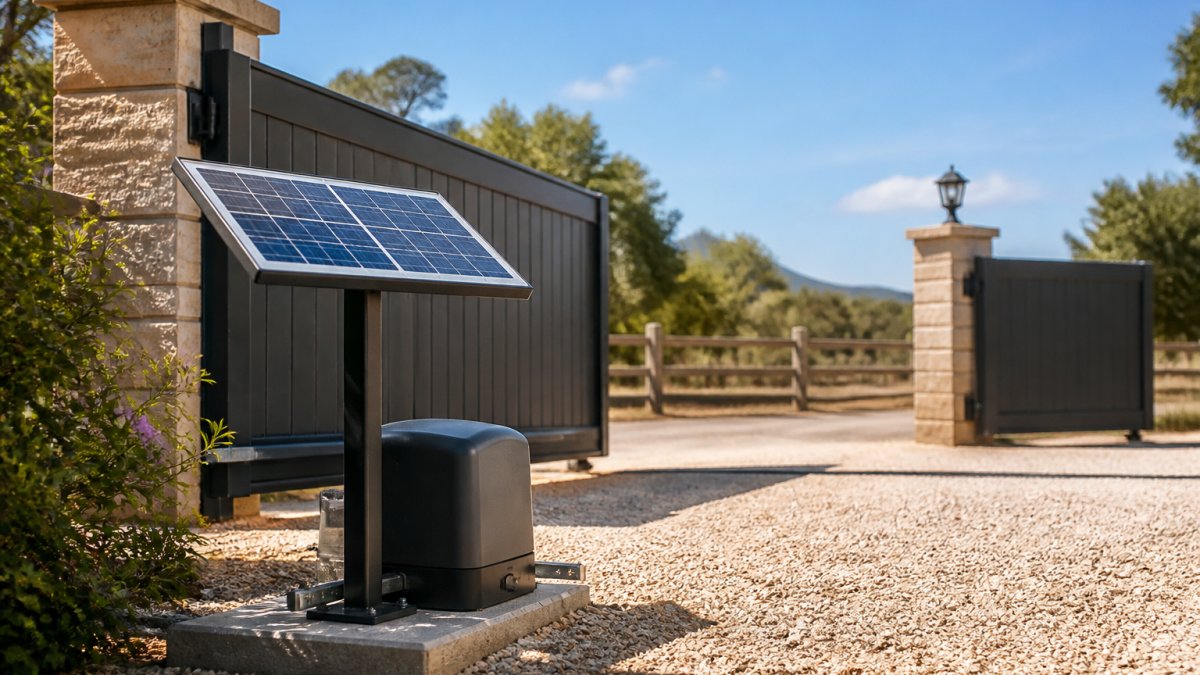
| Gate count and type | Custom or automated gates add significant cost |
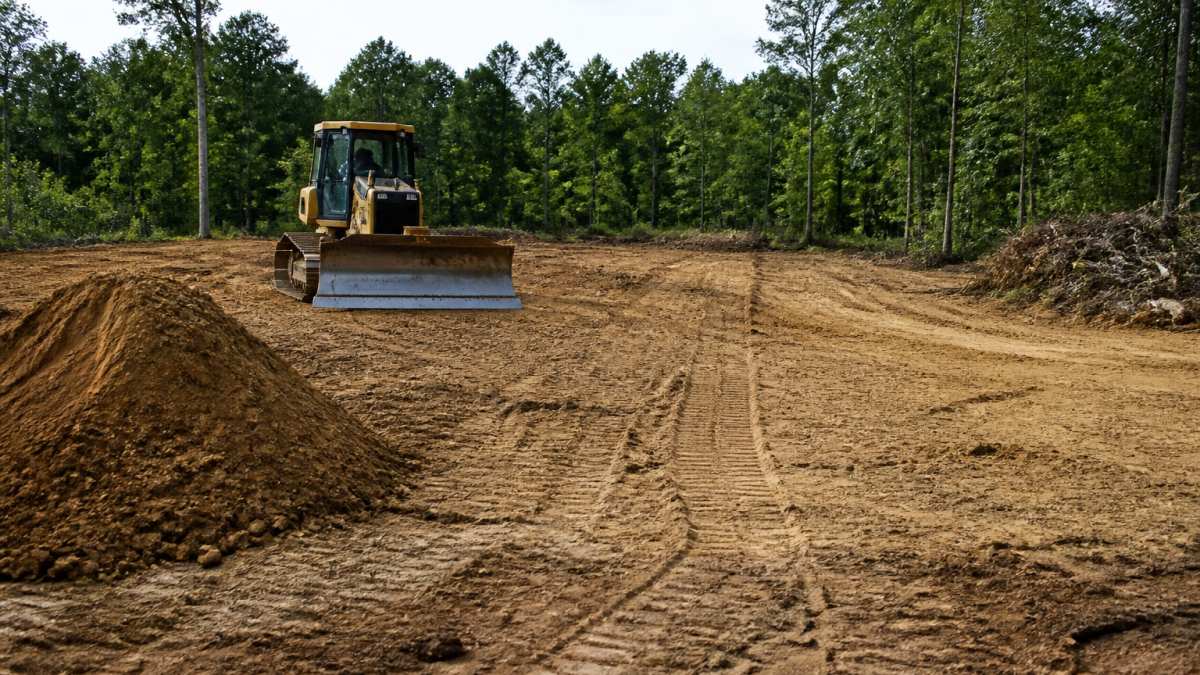
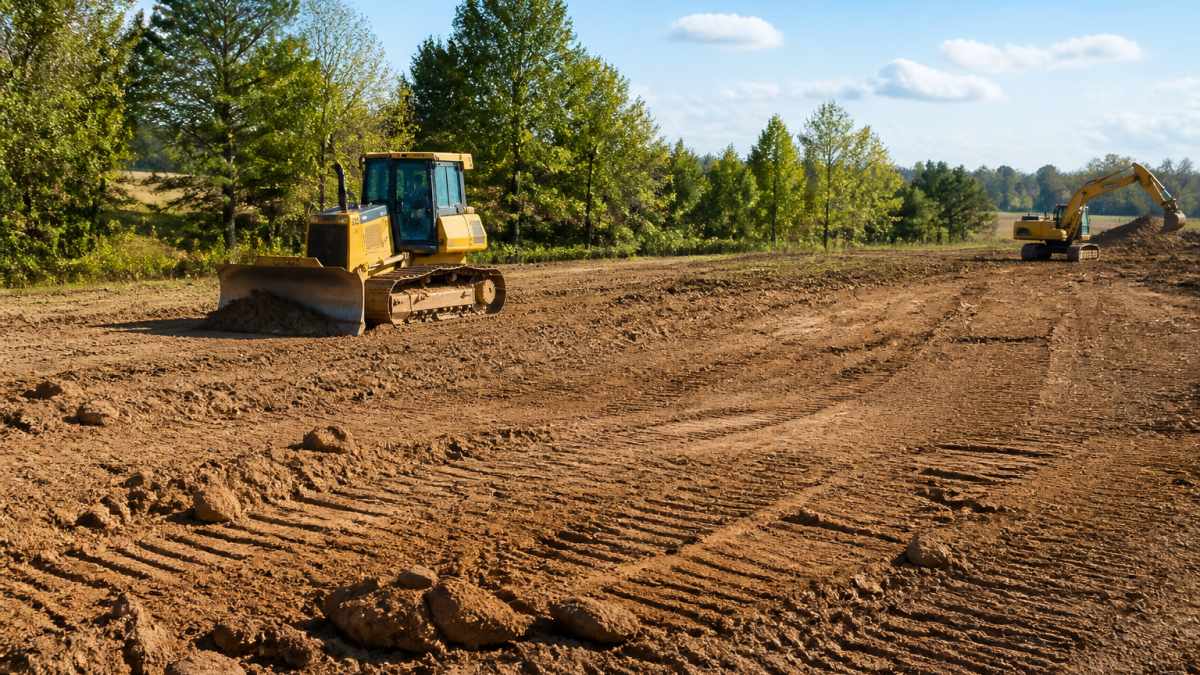
| Site clearing required | Vegetation removal before installation adds prep time |
| Permit fees | Municipal permit fees vary by project scope |
| Terrain complexity | Sloped or uneven ground requires additional labor |
For accurate estimates, schedule a site assessment with a licensed contractor. OCAS Residential provides free estimates accounting for site-specific conditions, including soil assessment, drainage considerations, and permit requirements.
DIY vs. Professional Fence Installation
DIY fence installation is achievable on small, simple projects with favorable soil conditions and no permit complexity. For most Southwest Ranches properties, large lot perimeters, high water tables, mandatory permits, and HOA approval processes make professional installation the more reliable path. A licensed contractor carries insurance, pulls permits, coordinates inspections, and is legally responsible for structural integrity. According to the Florida Department of Business and Professional Regulation contractor licensing requirements, fence contractors in Florida must hold appropriate state licensing, including proof of insurance and bonding. Hiring an unlicensed installer creates liability that falls entirely on the property owner if the fence fails or is installed incorrectly.
How to Verify Contractor References Before You Hire
Verifying contractor references is one of the most practical steps before committing to a fence installation contract. Here is a direct framework:
- Confirm the project type matched yours. A reference for a small picket fence is not useful if you are installing 800 feet of perimeter fencing.
- Ask specifically about permit management. Did the contractor pull permits, manage inspections, and close out the permit correctly?
- Ask about timeline accuracy. Did the project finish when promised?
- Ask about post-installation issues. Have any posts shifted, panels warped, or gates misaligned since installation?
- Verify the contractor's license. Florida contractor license status can be checked through the Florida DBPR license verification portal.
- Check for active complaints. The Better Business Bureau and state licensing board maintain complaint records.
A contractor who hesitates to provide local references from Southwest Ranches or surrounding areas is worth scrutinizing. Fence installation in this environment requires familiarity with local soil, municipal codes, and permit processes.
Fence Installation, Site Prep, and What Comes Next
Fence installation does not begin when the first post goes in the ground. Site preparation determines whether the finished fence performs as expected or requires remediation within a few years.
Proper site prep includes:
- Vegetation clearing along the fence line to ensure accurate post placement and prevent root interference
- Grade assessment to identify low spots where water will pool against posts
- Utility locates via Sunshine 811 before any digging, as required by Florida law per Sunshine 811 Florida's call-before-you-dig service
- Property line confirmation using a current boundary survey
- Drainage planning for properties with known water management issues
After installation, the project is not complete until the final inspection is passed and the permit is closed. Homeowners should retain all permit documentation for property sales and insurance claims. Ongoing maintenance extends service life considerably. Vinyl and chain link require minimal attention, but gate hardware, post caps, and concrete footings should be inspected annually. Wood and composite installations benefit from periodic cleaning and, for wood, re-application of sealant every few years.
Fence installation in Southwest Ranches involves more moving parts than most homeowners anticipate: permit requirements, soil conditions, HOA approvals, and material selection all interact in ways that can derail a project or inflate costs. OCAS Residential handles every stage of the process, from site assessment and drainage evaluation to custom fence and gate installation, with the precision that large-lot South Florida properties demand. Schedule your free estimate with OCAS Residential and get a site-specific plan that accounts for your property's actual conditions.
Frequently Asked Questions
Do I need a permit for fence installation in Southwest Ranches?
Yes. Southwest Ranches requires a building permit for most fence installations. You will need to submit a site plan showing property lines, proposed fence location, height, and materials. The Town's Building Department reviews applications for compliance with zoning regulations, setback requirements, and easement lines. Skipping the permit can result in fines or a mandatory removal order, so it is worth completing the process before any post installation begins. Contact the Town of Southwest Ranches Building Department directly for the current application checklist.
What are the fence height restrictions in Southwest Ranches?
Southwest Ranches municipal codes generally limit fence height based on location on the property. Front yard fences are typically restricted to a lower height than rear or side yard fences, which may be permitted up to six feet or higher in some zones. Because zoning regulations can vary by lot type and HOA overlay, always confirm the specific fence height restrictions with the Town's Building Department and your HOA's architectural review board before ordering materials or scheduling installation.
What fencing materials work best for the local climate?
Vinyl fencing and aluminum fencing perform well in South Florida's humid, storm-prone conditions because they resist rust, rot, and insect damage. Chain link is durable and low-maintenance, making it a practical choice for large acreage properties. Pressure-treated wood can work but requires regular maintenance to combat moisture and termite exposure. Ranch rail suits agricultural-style lots. Material durability should be weighed against your privacy, security, and aesthetic goals when requesting residential fence installation cost estimates.
How do I verify that a fence contractor is properly licensed?
Florida requires fence contractors to hold a valid state contractor license. You can verify any contractor's license status through the Florida Department of Business and Professional Regulation (DBPR) online lookup tool at myfloridalicense.com. Check that the license is active, covers the correct trade category, and carries no disciplinary history. Also ask for proof of general liability insurance and workers' compensation coverage before signing any contract. Checking references from past residential projects in the area adds another layer of confidence.
This article was written using GrandRanker