 ultimate-guide
How to Prepare Land for Construction: A 2026 Guide
Table of Contents
- What Is Site Preparation and Why It Matters
- Step 1: Site Assessment and Soil Testing
- Step 2: Lot Clearing and Debris Removal
- Step 3: Grading and Drainage Management
- Step 4: Soil Compaction and Structural Stability
- Residential Land Grading Cost: What to Expect
- Permits, Regulations, and Environmental Considerations
- Conclusion
- Frequently Asked Questions
Last Updated: September 30, 2026
What Is Site Preparation and Why It Matters
Site preparation is the process of assessing, clearing, grading, and compacting land so it can safely support a structure. Knowing how to prepare land for construction is the difference between a foundation that holds for decades and one that cracks within a few seasons. This guide walks through each stage, from the first soil test to the final grade check.
The Role of a Site Preparation Contractor
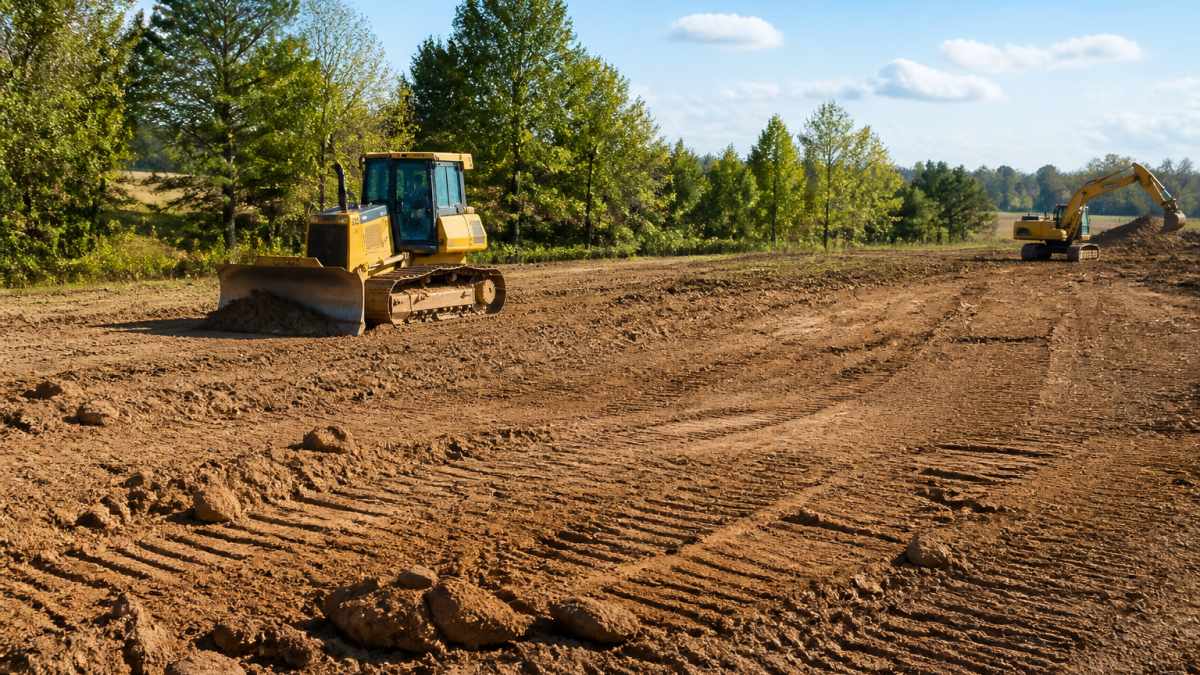
A site preparation contractor handles the heavy work that turns raw land into a buildable pad: land clearing, excavation, grading, soil compaction, and drainage management. Many homeowners assume their general contractor covers this, but it's a separate trade with its own equipment and permits.
Step 1: Site Assessment and Soil Testing
The first step in how to prepare land for construction is a full site assessment, including a soil test and survey. A survey maps property lines, topography, and easements, while soil testing reveals what's under the surface.
- Topography and slope measurement
- Utility location for water, gas, electric, and sewer lines
- Soil composition and bearing capacity testing
- Identification of below-grade obstructions
Step 2: Lot Clearing and Debris Removal
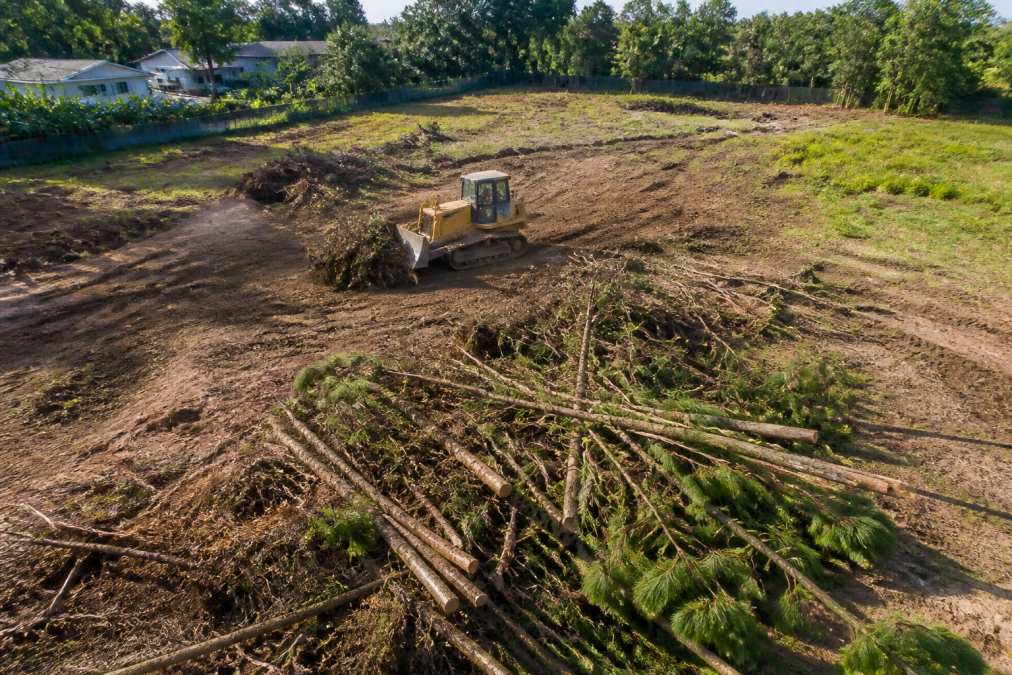
Lot clearing and debris removal is the stage where trees, brush, stumps, and old structures come out, leaving the ground ready for grading. It's also where a project's timeline and budget accuracy get tested most.
Step 3: Grading and Drainage Management
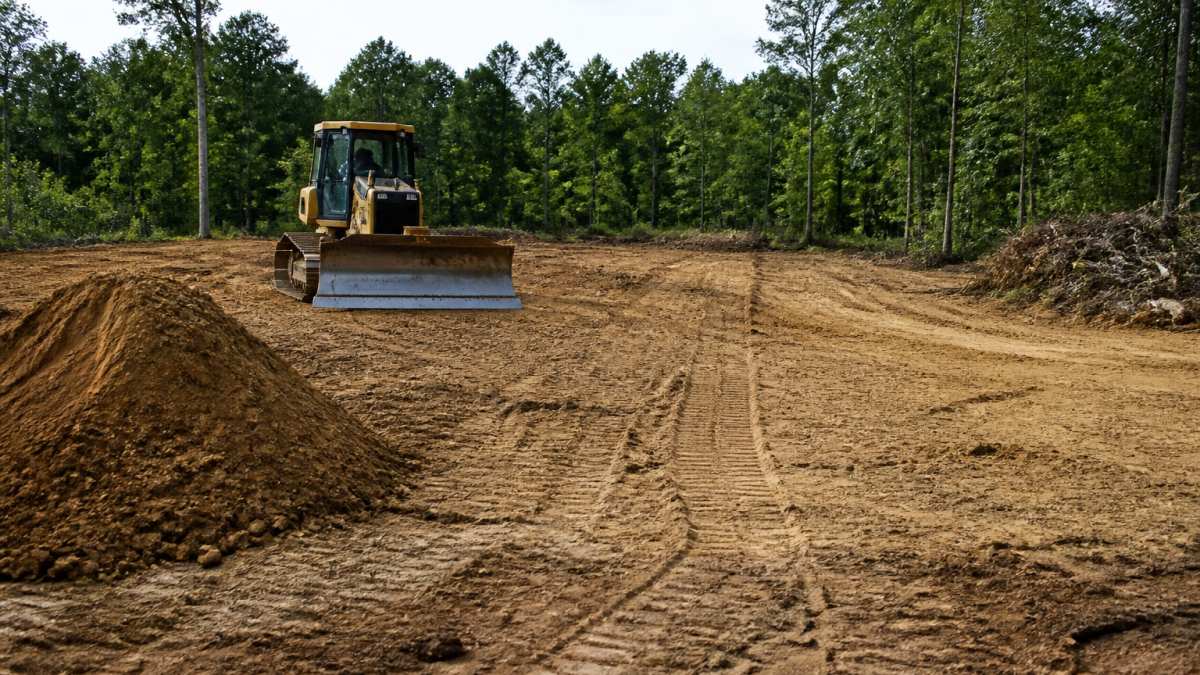
Grading shapes the land so water moves away from the structure instead of pooling against it. A properly graded lot slopes away from the building footprint, typically about six inches over the first ten feet, so runoff reaches a drain, swale, or the street. The exact target slope depends on local code and the finished surface, a paved driveway needs a different minimum than a lawn, so confirm the required fall with your building department before the dozer moves.
How Soil Type Changes the Grading Plan
Most guides treat grading as a single recipe. In practice, the soil under the lot dictates how you grade, how fast water moves, and what drainage structures you need.
- Expansive clay. Clay swells when wet and shrinks when dry, so it holds water at the surface and moves the ground beneath a slab. Grading must push water off the pad aggressively, and a clay cap is often stripped and replaced with engineered fill before compaction. A French drain alone rarely solves a clay problem, the water has nowhere to go once it hits the clay layer.
- Sandy soil. Sand drains fast, which sounds ideal until you realize it also erodes fast. Sandy lots need erosion control that holds up to sheet flow, and slopes may need to be flatter because sand loses its angle of repose more easily than clay. Runoff outlets must be armored or the sand will migrate.
- Rocky or shallow bedrock. Where rock sits close to the surface, you can't just grade over it, water runs along the rock interface and can surface at the foundation. The fix is often a designed drainage path (a swale or channel drain) cut into the rock or a raised pad with imported fill.
- Silty or loamy soil. These are the easiest to grade but the most prone to compaction problems. A silty subgrade can turn into a pumpy, unstable surface after a rain, so grading and compaction need to happen in dry windows and be re-tested if the site gets saturated.
How to Fix Backyard Muddy Spots
Fixing backyard muddy spots starts with finding where the water is coming from, not just where it pools. Standing water usually means the grade is flat or sloping the wrong way, or that compaction has created an impermeable layer that stops water from draining down.
The fix depends on the cause:
| Problem | Likely Cause | Fix |
|---|---|---|
| Water pools near foundation | Grade slopes toward house | Regrade to slope away |
| Soggy patch mid-yard | Compacted soil layer | Aerate or amend soil |
| Persistent wet corner | Poor drainage path | Install French drain or swale |
| Water after every rain | No runoff outlet | Add dry well or channel drain |
| Water returns after regrading | Clay layer trapping water | Strip and replace with engineered fill |
| Erosion gullies on slope | Sandy or silty soil, no armoring | Add riprap, erosion blanket, or vegetated swale |
Step 4: Soil Compaction and Structural Stability
Soil compaction determines whether the ground can carry the load above it. Loose or unevenly compacted fill settles over time, showing up as cracked slabs, sticking doors, and foundation movement.
Residential Land Grading Cost: What to Expect
Residential land grading cost depends on lot size, slope, soil conditions, and how much earth has to be moved. There's no single number for every property, and any quote that doesn't follow a site visit should be treated with suspicion.
Several factors drive the final figure:
- Square footage and topography of the lot
- Volume of cut and fill required
- Soil type and how easily it compacts
- Accessibility for heavy machinery
- Permit fees and inspection requirements
- Drainage solutions needed, such as swales or dry wells
Permits, Regulations, and Environmental Considerations
Permit acquisition and local regulations shape what you can and can't do on your land. Most grading, clearing, and excavation requires a permit, and many areas limit how much land can be cleared or how close work can happen to a property line or waterway. Requirements vary widely by jurisdiction, so the only reliable source is your local building department, not a neighbor's experience or a contractor's memory of a job across town.
Insurance and Liability: The Step Most Homeowners Skip
Site prep has insurance and liability consequences that almost no guide covers, and they can cost more than the prep itself if ignored.
- Builder's risk insurance. This policy covers a structure under construction, but coverage usually begins when the project starts, not when the lot is being cleared and graded. If a storm washes out your newly graded pad or a piece of equipment damages a neighbor's property before the policy is active, you may be paying out of pocket. Confirm the start date of builder's risk coverage before the first machine arrives.
- General liability and subcontractor coverage. If your site prep contractor or a subcontractor damages a utility line, a neighbor's fence, or a protected tree, the claim lands somewhere. Ask for a certificate of insurance showing general liability and, where required, workers' compensation coverage before work begins. A contractor who cannot produce one is a risk you are absorbing.
- Homeowner's insurance during construction. A standard homeowner's policy may reduce or exclude coverage on a vacant lot or a home under major construction. Call your insurer before clearing starts and ask how the policy treats the property during site work. A short call now prevents a denied claim later.
- Utility strikes and the 811 call. Before any excavation, call 811 to have underground utilities located and marked (811 Before You Dig). It is free, it is required in most states, and hitting a gas or electric line without having made the call can shift liability squarely onto the property owner.
- Erosion and sediment liability. If silt from your site runs into a storm drain or a neighbor's pond, the cleanup and any fines can fall on the property owner, not just the contractor. That is one reason erosion control is written into permits, it is a liability shield as much as an environmental rule.
A Short Pre-Construction Permit Checklist
- Confirm which permits are required for clearing, grading, and excavation
- Ask about tree protection, wetland buffers, and impervious-surface limits
- Verify the erosion control plan and inspection schedule
- Call 811 for utility locating before any digging
- Obtain a certificate of insurance from the site prep contractor
- Confirm builder's risk coverage start date with your insurer
- Check how your homeowner's policy treats the property during construction
Working through this list before the first machine shows up is the difference between a project that stays on schedule and one that stalls while paperwork and coverage get sorted out.
Conclusion
Land preparation rewards patience and punishes shortcuts. Soil testing, proper grading, correct compaction, and a working drainage plan keep a structure stable for the long term.
Frequently Asked Questions
What does a site preparation contractor do?
A site preparation contractor handles the groundwork before building starts. This includes site assessment, soil testing, lot clearing, debris removal, grading, and drainage management. They ensure the land is level, stable, and ready for a foundation. For residential projects, they also coordinate utility location, erosion control, and permit acquisition. Hiring a certified contractor helps prevent structural issues and budget overruns later.
How much does residential land grading cost?
Residential land grading cost depends on your lot size, terrain, soil conditions, and accessibility. Factors like the amount of excavation, need for soil compaction, and debris removal affect the total. Getting multiple quotes and asking for a detailed breakdown helps you understand the project investment. For an accurate estimate tailored to your property, contact a professional site prep company directly.
What is the purpose of proper land grading?
Proper land grading serves two main purposes: structural stability and drainage management. Grading creates a level surface that supports a foundation and prevents settlement. It also directs water away from the building pad, reducing pooling and erosion. Correct grading protects foundation integrity and prevents long-term maintenance problems like cracks and water damage.
How do you clear a lot for a new home build?
Lot clearing involves removing trees, brush, rocks, and debris from the building area. First, a site survey identifies what to keep and what to remove. Then, heavy machinery removes vegetation and below-grade obstructions. Debris removal follows, with materials hauled away or recycled. Finally, the land is graded and compacted. Always check local regulations for tree preservation and erosion control requirements before clearing.
What are the environmental regulations for land clearing?
Environmental regulations for land clearing vary by state and municipality. Common rules cover erosion control, stormwater management, and protection of wetlands or endangered species. You may need permits for clearing above a certain acreage or near waterways. Following these rules prevents fines and project delays. A certified contractor can help you navigate permit acquisition and ensure compliance with local, state, and federal guidelines.