 ultimate-guide
Smart Gate Access Systems: A 2026 Guide
Table of Contents
- What Smart Gate Access Systems Do for Your Property
- Key Features to Look For in Smart Gate Access Systems
- Smart Gate Opener Installation Cost and Budgeting
- Integrating Gate Access with Home Security Systems
- Automatic Gate Repair vs Replacement: When to Upgrade
- Cybersecurity and Data Privacy in Connected Gate Systems
- Installation, Setup, and Maintenance for Your Smart Gate
- Frequently Asked Questions
Last Updated: September 25, 2026
What Smart Gate Access Systems Do for Your Property
Smart gate access systems transform how you control entry to your property. Rather than relying on manual gates, keypads, or traditional locks, these systems allow you to manage access remotely through mobile apps, grant temporary credentials to visitors, and monitor who enters and exits in real time. For homeowners considering upgrading to smart gate access systems, the appeal is immediate: convenience, security visibility, and the ability to respond to access requests from anywhere.
A smart gate access system creates an audit trail of every entry, alerts you to unauthorized access attempts, and lets you revoke access instantly if needed. Unlike older gate systems that offer no visibility into who's coming and going, modern smart systems integrate entry data directly into your home's security ecosystem.
The core value proposition is control without presence. You don't need to be home to grant access to a contractor, delivery service, or family member. You can monitor activity in real time and adjust permissions based on actual needs rather than handing out physical keys or gate codes that are difficult to revoke.
Key Features to Look For in Smart Gate Access Systems
When evaluating smart gate access systems, focus on features that align with how you actually use your property and who needs access. The most important capabilities fall into three categories: authentication methods, remote management, and integration depth.
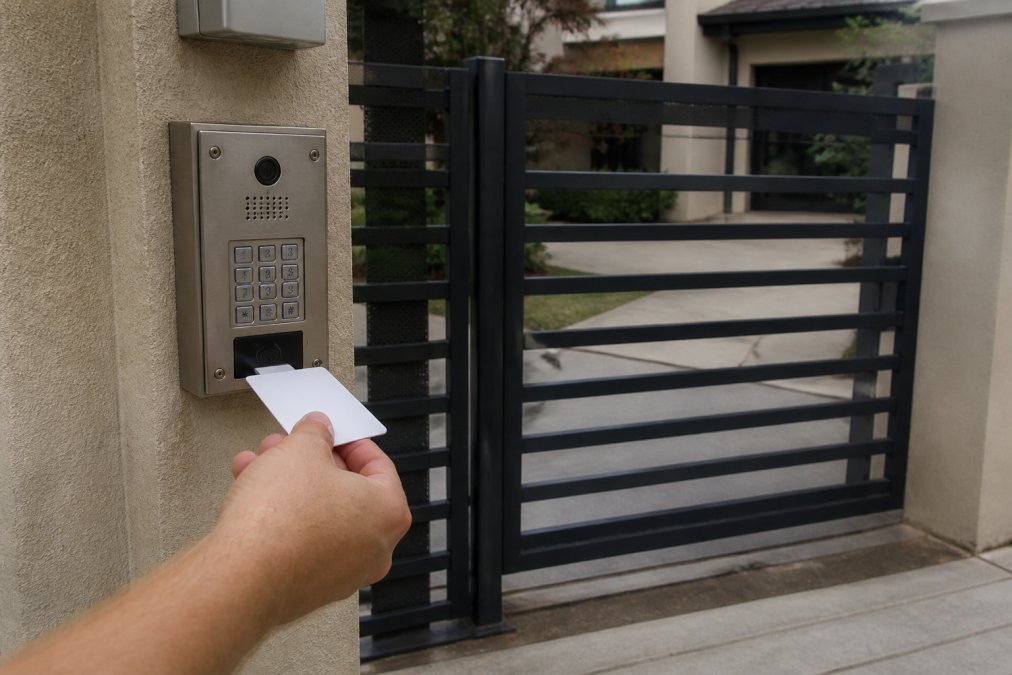
Authentication flexibility matters more than most guides acknowledge. Biometric systems (fingerprint or facial recognition) offer the highest security but require compatible hardware. Bluetooth-based entry works if visitors have smartphones, while traditional PIN codes remain reliable for contractors or service providers who may not have apps. The best smart gate systems support multiple authentication methods simultaneously, this isn't redundancy, it's practical flexibility for different visitor types.
Real-time remote monitoring should include mobile app notifications when someone requests entry or when the gate opens unexpectedly. You want to see who's at your gate before granting access, not after they've entered. Some systems offer live camera feeds integrated with the access control panel; others send alert notifications only. The difference determines how quickly you can respond to an unauthorized attempt.
Integration with your existing home automation reduces friction. If you already use a smart home hub (Apple Home, Google Home, Amazon Alexa), your gate system should work within that ecosystem rather than requiring a separate app and login. This also matters for future upgrades, a system that connects cleanly to other smart devices is easier to expand as your security needs evolve.
Encryption and cloud-based management should be baseline expectations, not premium features. Any system storing access credentials and entry logs must use end-to-end encryption. Cloud-based management means you're not dependent on a local server that could fail during a power outage, though you'll want to understand what happens to gate operation if your internet connection drops.
Smart Gate Opener Installation Cost and Budgeting
Installation costs for smart gate access systems vary significantly based on whether you're retrofitting an existing gate or replacing it entirely. This is where many homeowners encounter unexpected expenses, so understanding the cost drivers upfront saves frustration.
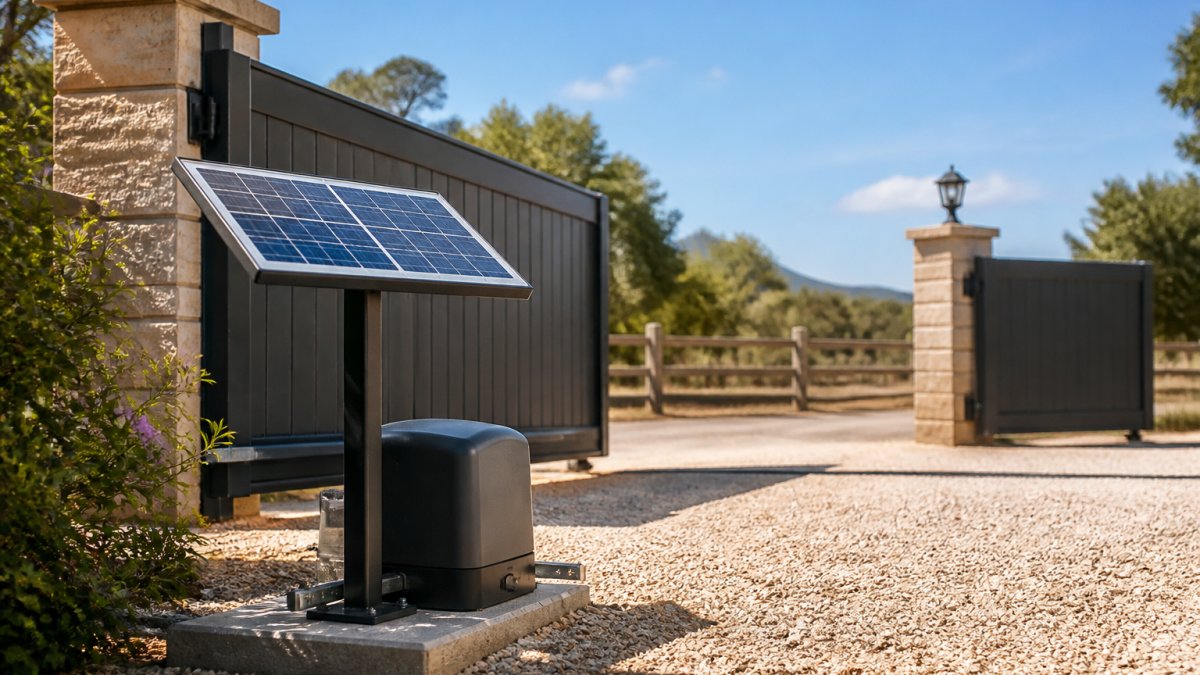
Retrofitting an existing gate is typically less expensive than full replacement. You're adding smart controllers, wireless receivers, and possibly new actuators to hardware that's already in place. OCAS Residential handles retrofit installations where the existing gate structure is sound, the focus shifts to upgrading the mechanical and electrical components that control access. Retrofits work well when your current gate hardware is reliable; they don't work when the gate itself is damaged or the mechanical system is failing.
Full replacement becomes necessary when the gate frame is rusted, the hinges are failing, or the existing opener is incompatible with modern smart systems. This is the higher-cost path, but it's often the right choice for older properties where the gate infrastructure has deteriorated. A new gate with integrated smart access control eliminates compatibility headaches and typically comes with manufacturer support.
The actual cost depends on gate size, the complexity of your driveway layout, whether you need new wiring runs, and which smart features you prioritize. A simple retrofit of a single-swing residential gate costs less than a dual-swing commercial entrance. Power backup systems (battery or generator integration) add to the budget but are essential if you need the gate to operate during power outages.
Get a detailed estimate from a qualified installer who can assess your existing gate and advise whether retrofit or replacement makes sense for your property. OCAS Residential provides free estimates that break down labor, materials, and any structural work needed, this transparency helps you make an informed decision rather than discovering hidden costs after work begins.
Integrating Gate Access with Home Security Systems
Your smart gate access system should function as part of your broader home security ecosystem, not as an isolated device. Integration with your home security system creates a coordinated perimeter defense where gate access, door locks, motion sensors, and alarm systems share information and respond together.
When someone requests entry at your gate, your security system should know about it. If the person is authorized, the gate opens and your system logs the event. If they're not authorized, the gate remains locked and you receive an alert. This coordination prevents gaps where someone gains gate access but then encounters a locked front door, or worse, where a security breach at one entry point goes unnoticed because your systems aren't communicating.
Integration also simplifies your operational workflow. Instead of managing separate apps for your gate, door locks, and alarm system, a unified interface shows all access points and their status. You can set rules like "when the gate opens, turn on the driveway lights" or "if motion is detected near the gate at 2 AM, send me an alert", these automations reduce the mental load of monitoring multiple systems.
Compatibility with major home automation platforms (Apple Home, Google Home) matters here. Your smart gate system should work within these ecosystems so you can control it through the same interface you use for other smart home devices. This also future-proofs your setup: as you add more smart devices, they integrate naturally rather than creating a fragmented collection of incompatible apps.
Automatic Gate Repair vs Replacement: When to Upgrade
The decision between repairing an existing gate system and replacing it entirely hinges on the condition of the hardware and the cost-benefit math. This is where many homeowners make expensive mistakes by choosing repair when replacement would be smarter, or vice versa.
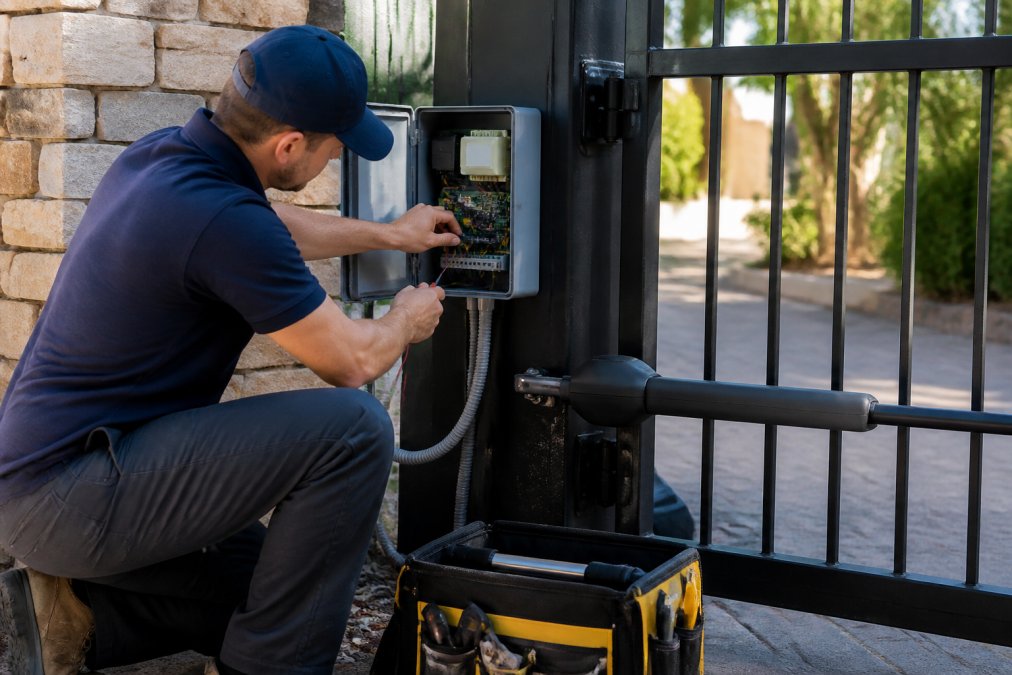
Repair makes sense when the gate structure is sound but specific components have failed. A broken opener, failed actuator, or malfunctioning control system can often be replaced without touching the gate frame itself. If your gate is mechanically solid and you're just upgrading the access control from manual to smart, repair-and-retrofit is cost-effective.
Replacement becomes necessary when the gate frame itself is compromised. Rust on steel gates, rot on wooden gates, bent aluminum frames, or corroded hinges indicate structural failure. Upgrading the access control on a failing gate is like installing a new stereo in a car with a blown engine, you're investing in the wrong component. The gate will continue to deteriorate and eventually fail completely, forcing you to replace it anyway at higher cost.
The rule of thumb: if repair costs exceed 50% of replacement cost, replacement usually makes more sense. You're paying for labor twice (once for repair, again for eventual replacement) instead of once.
Cybersecurity and Data Privacy in Connected Gate Systems
Installing a smart gate access system means your property's entry data is now digital and potentially cloud-connected. This introduces security considerations that physical gates never had. Understanding these risks and how to mitigate them is essential before you upgrade.
Installation, Setup, and Maintenance for Your Smart Gate
Professional installation matters more than many homeowners expect. A smart gate system requires both electrical work (wiring the control panel, power supply, and sensors) and network configuration (connecting to your Wi-Fi, setting up the mobile app, configuring access credentials). Mistakes during installation can compromise both security and functionality.
Frequently Asked Questions
What are the benefits of upgrading to a smart gate access system?
Smart gate access systems give you remote entry control from your phone, real-time alerts when someone enters or exits, and the ability to grant temporary access to visitors or service providers without being home. You eliminate the need for physical keys or gate remotes, reduce unauthorized entry through access logs and permissions, and integrate your entry point with your broader home security ecosystem. Most homeowners see improved convenience and measurable security gains.
Can I retrofit my existing driveway gate with smart technology?
Yes, retrofitting is possible for most existing gates. Smart gate openers can be added to manual gates, and smart controllers work with many standard gate hardware setups. However, compatibility depends on your gate's current condition, material, and opener type. Some older gates may need repairs or modifications before smart technology can be installed. A professional assessment determines whether retrofitting makes sense or if replacement is more cost-effective for your situation.
How much does a smart gate opener installation cost?
Smart gate opener installation costs vary based on your gate type, existing infrastructure, whether you're retrofitting or replacing, and the features you choose. Pricing depends on the complexity of integration with your home automation system and whether additional electrical work is needed. Contact OCAS Residential for a free estimate tailored to your specific property and needs.
Are smart gate access systems compatible with home automation platforms?
Most modern smart gate systems integrate with popular home automation hubs and platforms, allowing you to control your gate alongside other smart home devices. Compatibility depends on the specific system you choose and your existing home automation setup. Wi-Fi-enabled and Bluetooth-connected gates offer broader integration options. Verify compatibility with your current smart home ecosystem before purchasing to ensure seamless operation across your devices.