 how-to
How to Choose the Right Fence Height for Backyard Privacy
Table of Contents
- Step 1: Set Your Privacy Goal and Measure Sightlines
- Step 2: Know Your Residential Fence Height Regulations
- Step 3: Match Fence Height to Your Property Type and Terrain
- Step 4: Follow Privacy Fence Installation Best Practices
- Step 5: Secure Fence Permit Requirements Before You Dig
- Step 6: Balance Cost, Materials, and Fence Height
- Common Mistakes to Avoid When Choosing Fence Height
- Conclusion
- Frequently Asked Questions
Last Updated: September 30, 2026
Step 1: Set Your Privacy Goal and Measure Sightlines
Choosing the right fence height starts with one question: what do you actually need to block? Fence height is the distance from ground level to the top of the fence, and it should be driven by sightlines, not guesswork.
Walk your yard at the times you use it most. Morning coffee on the patio. Evening dinners. Then note what you can see from each spot.
- Neighbor's second-story windows
- Street traffic and passersby
- Nearby rooftops or utility poles
- Gaps at the corners of your lot
A common mistake is measuring from the wrong point. Fence height is measured from the ground on your side, not from a raised patio or deck. On sloped terrain, that difference can add a foot or more to what you think you need.
Step 2: Know Your Residential Fence Height Regulations
Residential fence height regulations vary by city, county, and neighborhood. Most municipalities cap backyard fences between 6 and 8 feet, but the rules change based on where the fence sits on your lot, and the conflict between city code and HOA covenants is where most homeowners get stuck.
The key terms to learn:
- Property line setbacks: how far the fence must sit from the boundary
- Front yard vs. backyard limits: front yards are usually capped lower, often 3 to 4 feet
- Sight triangle: a clear zone near corners and driveways where tall fences are banned
- Easements: utility or drainage strips where fencing may be restricted
- Variance: a formal exception to the height cap, granted by the zoning board or board of adjustment
Check your municipal building codes and zoning ordinances before you buy a single panel.
When HOA Rules Conflict With City Code
Here's the pattern most guides skip: your city may allow a 6-foot fence, but your HOA covenant might cap it at 5 feet. When rules conflict, the stricter one usually wins, but the process for resolving the conflict is not the same in both directions.
- HOA stricter than city code: the HOA cap controls. You can still build to the city maximum, but you will get a violation letter and may be forced to cut the fence down at your own cost. Read the covenant's architectural review section before you buy materials.
- City code stricter than HOA: the city controls. An HOA approval does not override a zoning cap, and a permit inspector can red-tag a fence the HOA already blessed.
- Both silent on a height: default to the more conservative number and document your reasoning in writing to the HOA architectural committee. A paper trail prevents a dispute later.
How to Read Your Own Rules in Order
- Pull the recorded plat or subdivision covenant from your county recorder's office.
- Pull the current zoning ordinance fence section from your city or county website.
- Call the permit office and ask two questions: what is the maximum backyard height, and does a permit trigger above a certain threshold?
- Email the HOA architectural committee the same two questions and keep the reply.
- Compare all three answers. The lowest number is your ceiling unless you pursue a variance.
This sequence takes an afternoon and prevents the most expensive mistake in fence building: installing a fence that has to come down.
Step 3: Match Fence Height to Your Property Type and Terrain
Terrain decides more fence height debates than any ordinance. A 6-foot fence on flat ground looks very different from a 6-foot fence on a slope.
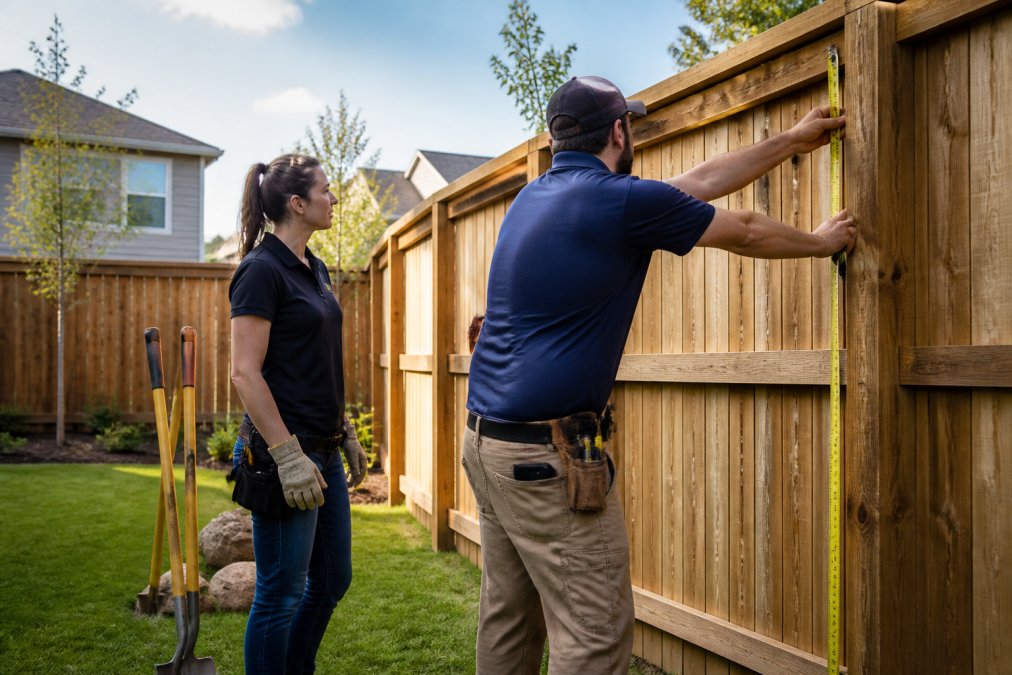
On sloped terrain, you have two options:
- Stepped fencing: panels follow the grade in stair-step sections
- Racked fencing: panels tilt to follow the slope smoothly
Step 4: Follow Privacy Fence Installation Best Practices
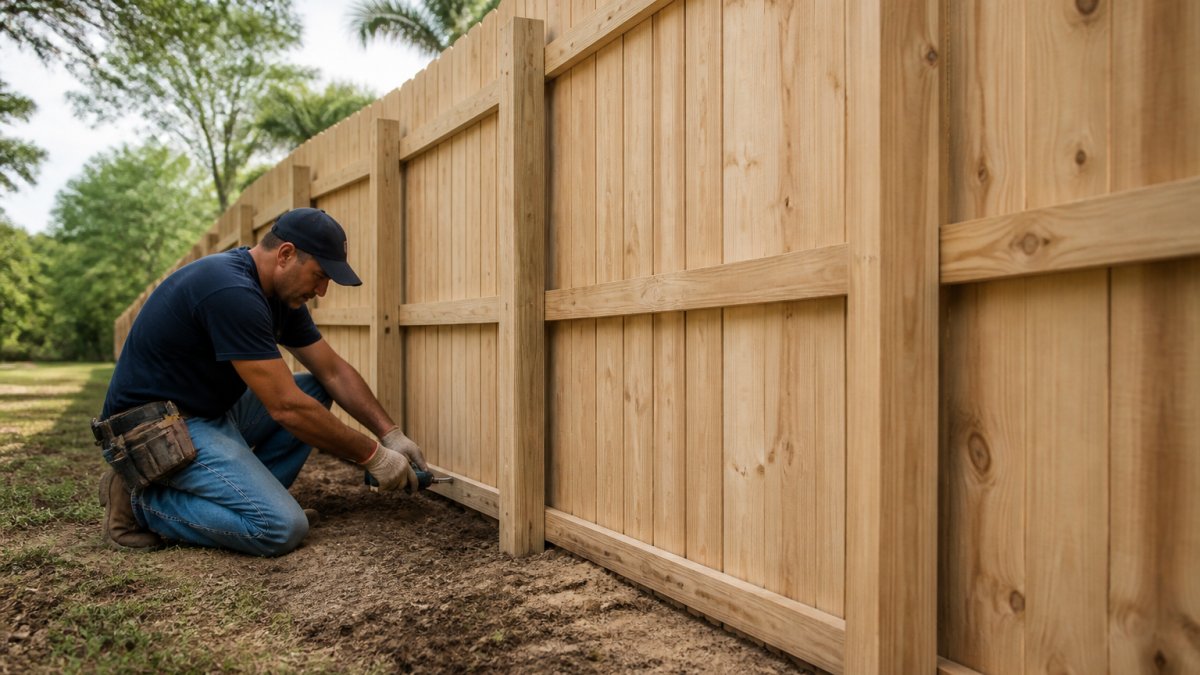
Privacy fence installation best practices come down to three things: post depth, material durability, and vertical clearance.
- Set posts in concrete, not just packed soil
- Use galvanized or stainless fasteners
- Add a top rail for spans over 8 feet
- Check local wind load requirements before building tall
Step 5: Secure Fence Permit Requirements Before You Dig
Fence permit requirements depend on height, location, and your local code. Many cities require a permit for any fence over 6 feet, and almost all require one for front yard fencing.
The permit process usually asks for:
- A site plan showing the fence line
- Fence height and material details
- Property line verification or a recent land survey
- Neighbor acknowledgment in some cases
Step 6: Balance Cost, Materials, and Fence Height
Cost scales faster than height. Going from 6 to 8 feet adds more than two extra feet of material; it adds deeper posts, more concrete, and often a permit and engineering review. Understanding why that jump is nonlinear is the single biggest cost saver in this guide.
Why the Cost-to-Height Ratio Is Not Linear
A fence is a lever. Wind pushes on the surface area, and that force multiplies against the post at ground level. Doubling the exposed height does not double the load, it increases it by roughly the square of the height ratio, before you even account for the deeper embedment needed to resist it.
- Post size jumps: a 4x4 post that is adequate at 6 feet often gets replaced with a 6x6 at 8 feet, which changes the post-hole diameter, the concrete volume, and the hardware.
- Embedment deepens: the one-third rule means an 8-foot post needs roughly 2.5 to 3 feet buried instead of 2 feet, so you are buying longer posts and pouring more concrete per hole.
- Bracing and rails increase: taller panels need a mid-rail or heavier top rail to resist racking, which adds linear feet of material.
- Permits and engineering enter: many jurisdictions trigger a permit above 6 feet, and some require a stamped drawing or wind-load calculation above 8 feet.
- Labor hours rise: taller panels are heavier, need two people to set, and slow the install rate.
| Height | Best For | Typical Trade-off |
|---|---|---|
| 4 feet | Front yards, curb appeal | Limited privacy |
| 5 feet | HOA-capped yards | Moderate screening |
| 6 feet | Most backyards | Best balance of cost and privacy |
| 8 feet | Second-story sightlines | Higher cost, permits, wind load |
Getting 8-Foot Privacy at 6-Foot Cost
Two strategies consistently beat building taller:
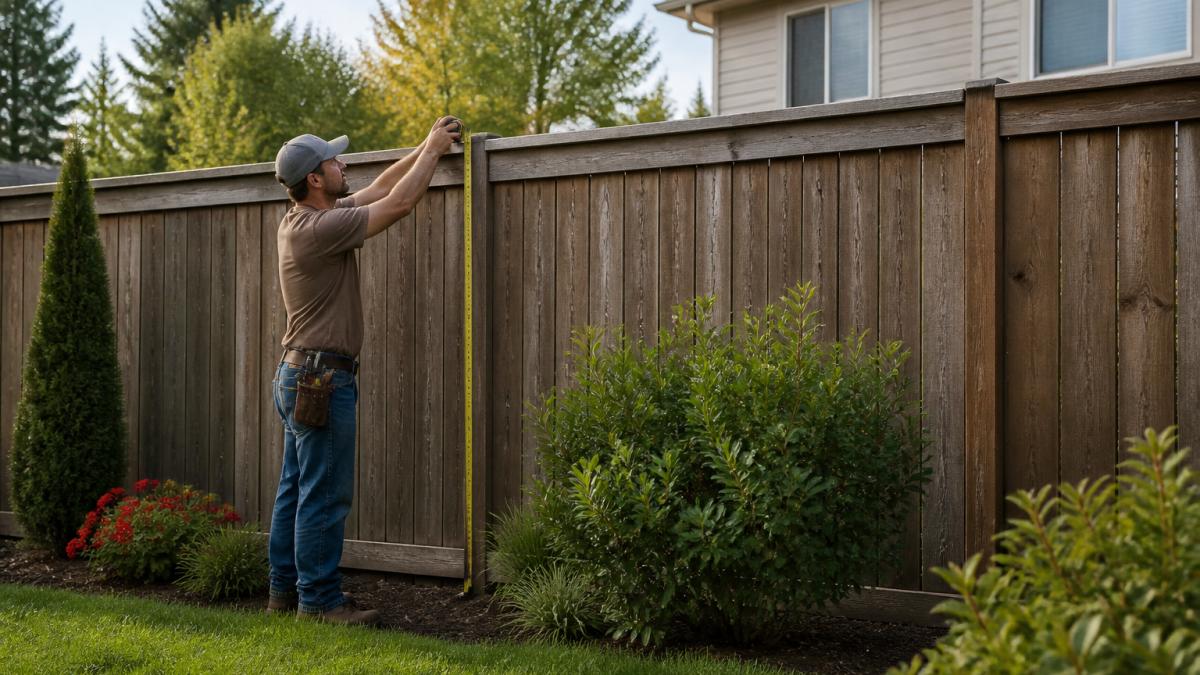
Privacy landscaping integration. Plant fast-growing evergreens along a 5- or 6-foot fence to add effective height without adding a permit or a heavier structure. Species commonly used for this in most climates include arborvitae, Leyland cypress, and wax myrtle. Check the mature height and spread before planting, a shrub that reaches 15 feet will eventually shade out the fence and the neighbor's yard, which creates its own dispute.
Common Mistakes to Avoid When Choosing Fence Height
Most fence height problems trace back to a handful of avoidable errors.
- Measuring from a deck or patio instead of the ground
- Ignoring HOA covenants until after installation
- Forgetting the sight triangle at driveway corners
- Building in an easement without checking
- Choosing height before choosing material
- Skipping the 811 utility call
Never assume the existing fence sits on the property line. Old fences drift over time, and rebuilding in the same spot can repeat a mistake that was never corrected.
Conclusion
Getting fence height right means balancing privacy, rules, terrain, and cost before you buy a single panel. Measure your sightlines, check your local codes and HOA covenants, and build for structure, not just height.
Frequently Asked Questions
What is the standard height for a residential privacy fence?
Most residential privacy fences are 6 feet tall. That height blocks sightlines from the street and neighboring yards while staying within the common 6-foot limit set by many residential zoning ordinances. Some homeowners choose 8 feet for more privacy or security, but an 8-foot fence usually needs a variance or special permit. Always check your local municipal building codes before ordering materials.
Do I need a permit to build a privacy fence over 6 feet?
In most U.S. municipalities, a fence taller than 6 feet requires a permit and often a variance. Fence permit requirements vary by city and county, so confirm the threshold with your local building department before installation. You may need a site plan, property survey, and neighbor notification. Skipping the permit can lead to fines or forced removal of the fence.
How does fence height affect backyard drainage and airflow?
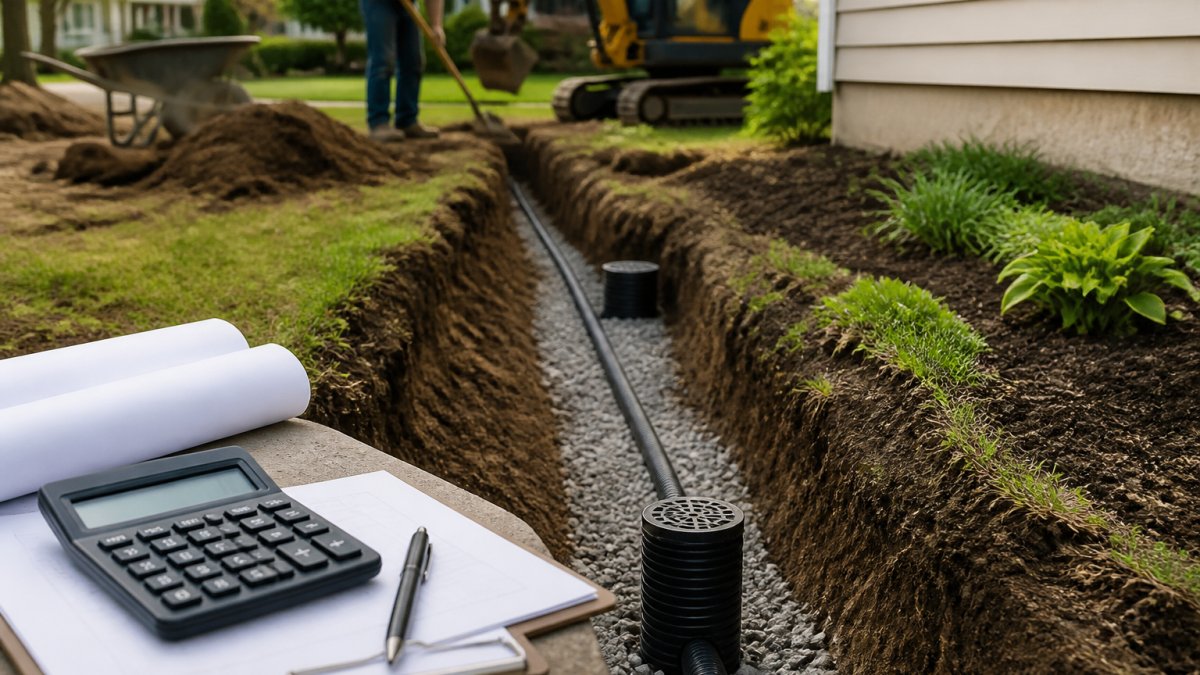
Solid panel fencing taller than 6 feet can restrict airflow and trap water in low spots. On sloped terrain, a fence that follows the grade without gaps may block natural drainage paths and cause pooling. Leave a small gap under the bottom rail or use a stepped installation to let water pass. If your yard already has drainage issues, address grading before installing a tall privacy fence.
How do I determine the right fence height for sloped terrain?
Measure the elevation changes along your intended fence line first. For sloped terrain, a stepped or racked installation keeps the top of the fence level while following the ground. A 6-foot fence on a slope may look shorter from the downhill side, so you might need a taller panel or a retaining solution. A land survey helps you plan post depth and vertical clearance accurately.