 how-to
Hiring a Licensed Fence Contractor in Southwest Ranches
Table of Contents
- What to Verify Before Hiring a Fence Contractor in Southwest Ranches
- Fence Contractor License Florida: How to Check Credentials
- Fence Installation Permit Requirements in Southwest Ranches
- Using a Fence Contractor Estimate Checklist to Compare Bids
- Understanding the Fence Installation Timeline
- Property Lines, Surveys, and Neighbor Considerations
- Warranty, Workmanship, and Dispute Protections
- Frequently Asked Questions
Last Updated: October 21, 2026
What to Verify Before Hiring a Fence Contractor in Southwest Ranches
Hiring a licensed fence contractor in Southwest Ranches starts with three checks: an active state license, current liability and workers' comp coverage, and a written contract that spells out materials, timeline, and warranty terms.
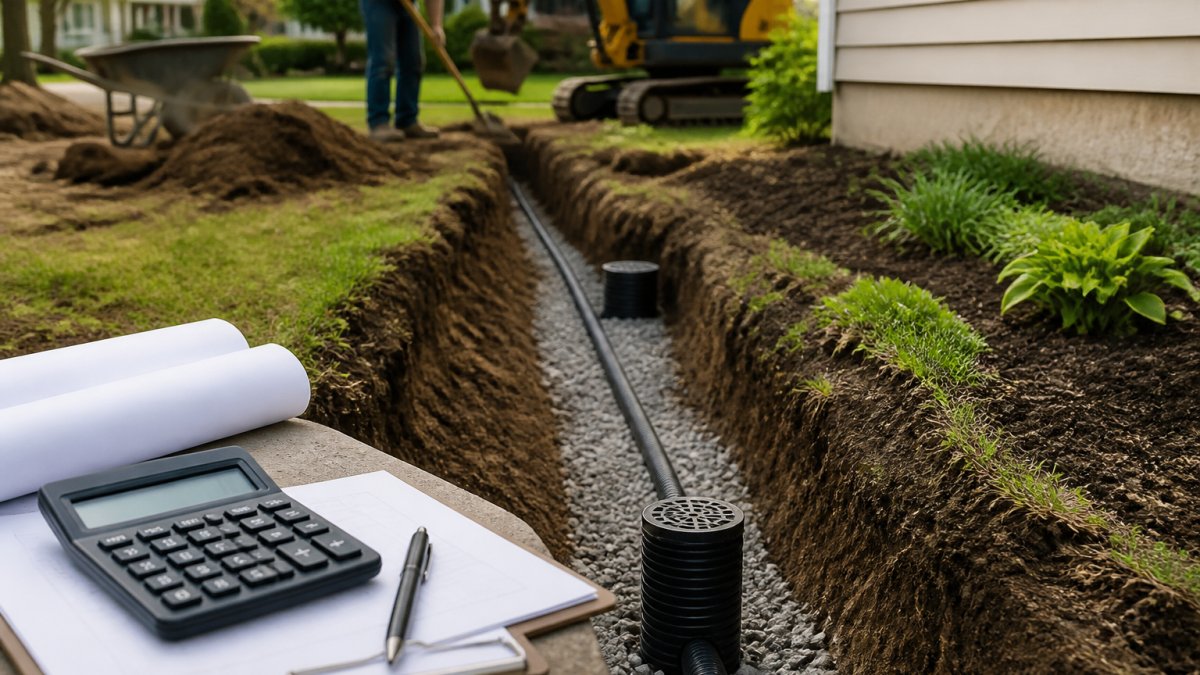
Southwest Ranches sits in Broward County, where large residential lots and ranch-style properties make fencing a bigger project than it is on a typical suburban lot. And because so much of the area is built around acreage, fencing services here often overlap with grading, drainage, and site prep work.
That overlap matters more than most homeowners expect. A fence installed on ground that holds water will lean within a season or two.
Below, we break down the verification steps, the paperwork, and the questions worth asking before you sign anything.
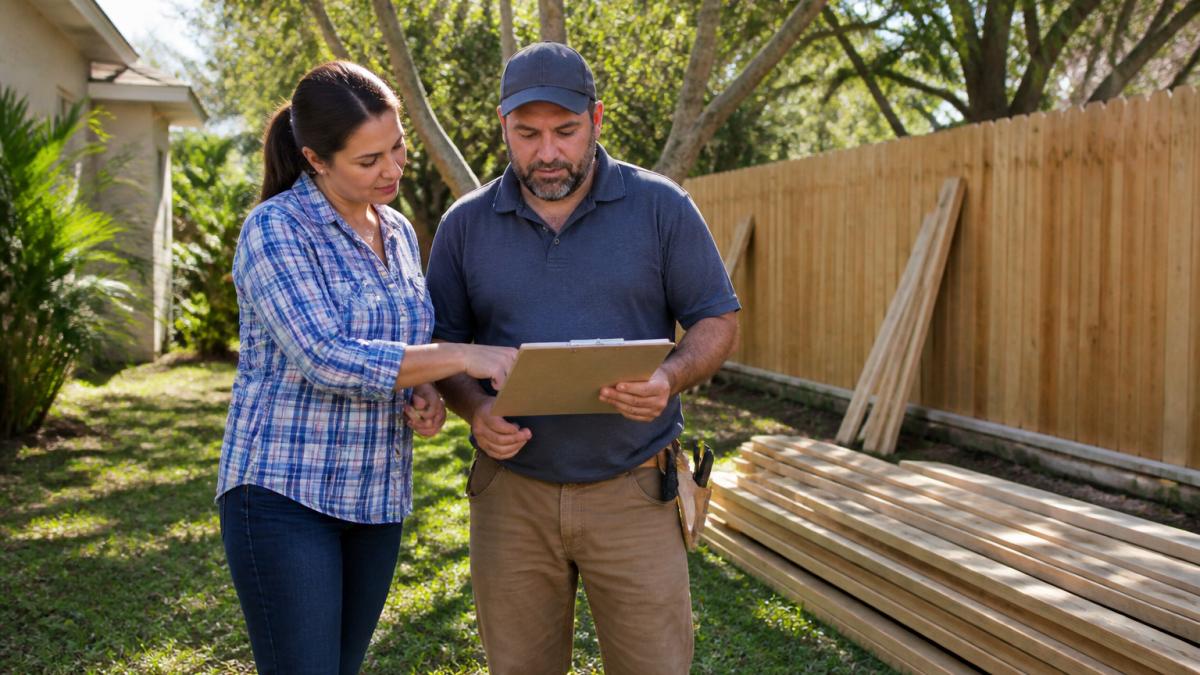
Fence Contractor License Florida: How to Check Credentials
Florida requires fence contractors to hold a state license through the Department of Business and Professional Regulation (DBPR), and you can look up any license number for free on the Florida DBPR license lookup portal. The search shows status, expiration, and any complaint history.
A licensed contractor is not the same as an insured one. Ask for a certificate of insurance showing general liability coverage and workers' compensation, and call the insurer to confirm the policy is active. If a crew member is injured on your property and the contractor has no workers' comp, the claim can come back to you.
License Verification Checklist
Run through this list before any contractor sets foot on your property:
- License number matches the name on the contract and the estimate
- License status shows "Active" on the DBPR database
- Expiration date is in the future
- Complaint history reviewed, with any open cases explained
- General liability certificate received and confirmed with the insurer
- Workers' compensation certificate received and confirmed
- Business name on the insurance matches the contracting entity
Fence Installation Permit Requirements in Southwest Ranches
Most residential fence projects in Southwest Ranches require a building permit, and the Town's building department reviews fence height, placement, and material before issuing one. But "check with the Town" is not a plan. Below is the step-by-step route to confirm exactly what your project needs before a single post is set.
Step 1: Confirm the permit trigger with the Town
Call the Town's building department and ask three questions: (1) Does a fence of my height and material require a permit? (2) What is the current maximum height for a privacy fence versus a ranch or agricultural fence? (3) Are there separate rules for corner lots, easements, or waterfront property? Get the name of the person you speak with and the date. Rules can change, and a dated note protects you if a later inspector cites a different standard.
Step 2: Pull the property's survey and plat
Before you apply, locate the most recent survey of your lot. The survey shows platted easements, drainage, utility, and access easements are common on larger acreage parcels, and fences generally cannot be placed inside an easement without written approval from the easement holder. If you do not have a current survey, order one. A fence built across an easement can be ordered removed at your expense.
Step 3: Map height and setback rules to your fence line
Height limits in Southwest Ranches can vary by fence type and by where the fence sits on the lot. A privacy fence along a side yard may face a different limit than a ranch fence around acreage, and corner lots often carry sight-line restrictions at the street corner. Sketch your proposed fence line on the survey, mark the height of each segment, and confirm each segment against the Town's current rules before you submit.
Step 4: Submit the application with the right documents
The permit application typically requires the survey, a site plan showing the fence line and height, material specifications, and the contractor's license information. The permit names the contractor of record, which means an unlicensed operator cannot legally pull one. If a contractor suggests skipping the permit to save time, that tells you everything about how they handle the rest of the job.
Step 5: Plan for review time and inspections
Approval timelines vary with the Town's workload and the completeness of your application. Build a buffer into your schedule rather than assuming a fixed date. After approval, expect at least one inspection, typically a post-setting inspection before panels go up, so confirm the inspection sequence with the building department when the permit is issued.
Your contractor should handle the application, but you should still read it. The permit is your record of what was approved, keep a copy with your contract and survey.
Using a Fence Contractor Estimate Checklist to Compare Bids
A fence contractor estimate is only useful if every bid describes the same scope. Line-by-line comparison is the only way to spot a low bid that is missing half the work.
Ask each contractor to break the estimate into these categories, then compare side by side:
| Estimate Item | What to Confirm | Why It Matters |
|---|---|---|
| Materials | Grade, thickness, and brand named | Cheap materials fail faster in heat and humidity |
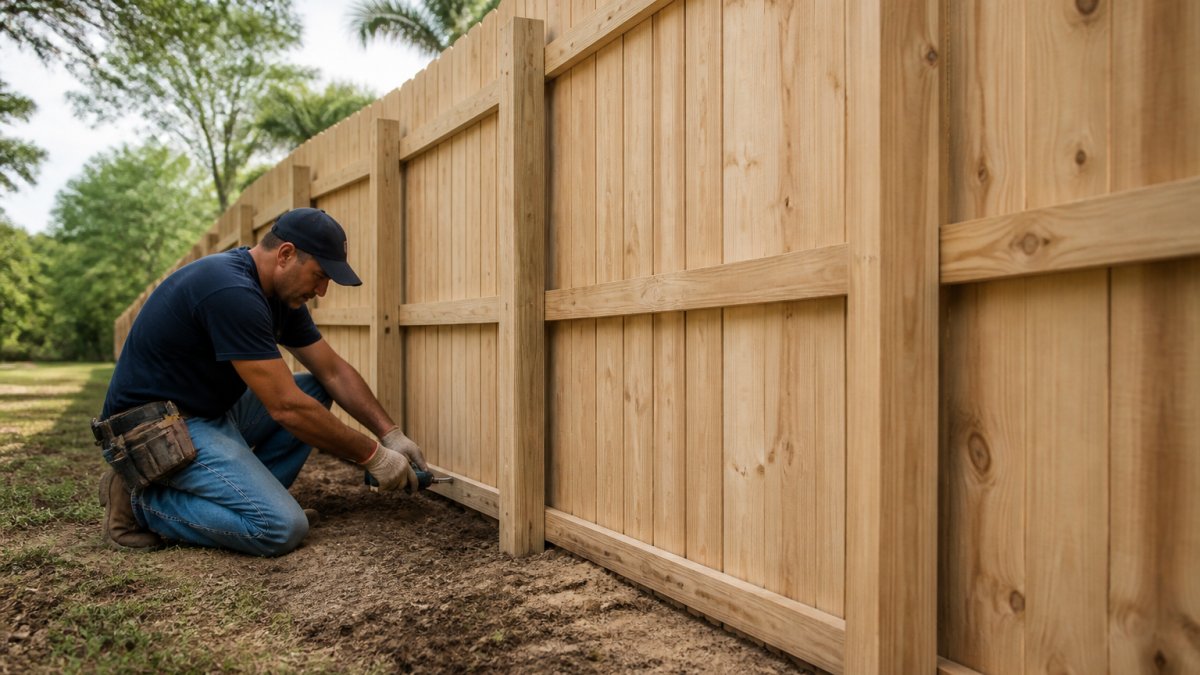
| Post setting | Concrete depth and spacing stated | Shallow posts lean within a season |
| Removal | Old fence haul-away included | Disposal is often billed separately |
| Permits | Fees and application included | Unpermitted work creates resale problems |
| Timeline | Start and completion dates written | Verbal schedules slip without consequence |
| Warranty | Workmanship term in writing | Labor defects are the most common failure |
| Payment | Milestone schedule listed | Front-loaded payments reduce your use |
A bid that lists only a total price is not a bid. It is a number. Ask for the breakdown before you compare anything.
Understanding the Fence Installation Timeline
A typical residential fence installation timeline runs from a few days to a few weeks, depending on linear footage, material, and whether the ground needs prep work first. Permitting usually takes the longest, so start there.
The sequence looks like this:
- Site visit and measurement (1-3 days after contact)
- Written estimate and contract (2-5 days)
- Permit application and approval (varies by Town workload)
- Materials order and delivery (1-2 weeks for custom or specialty fencing)
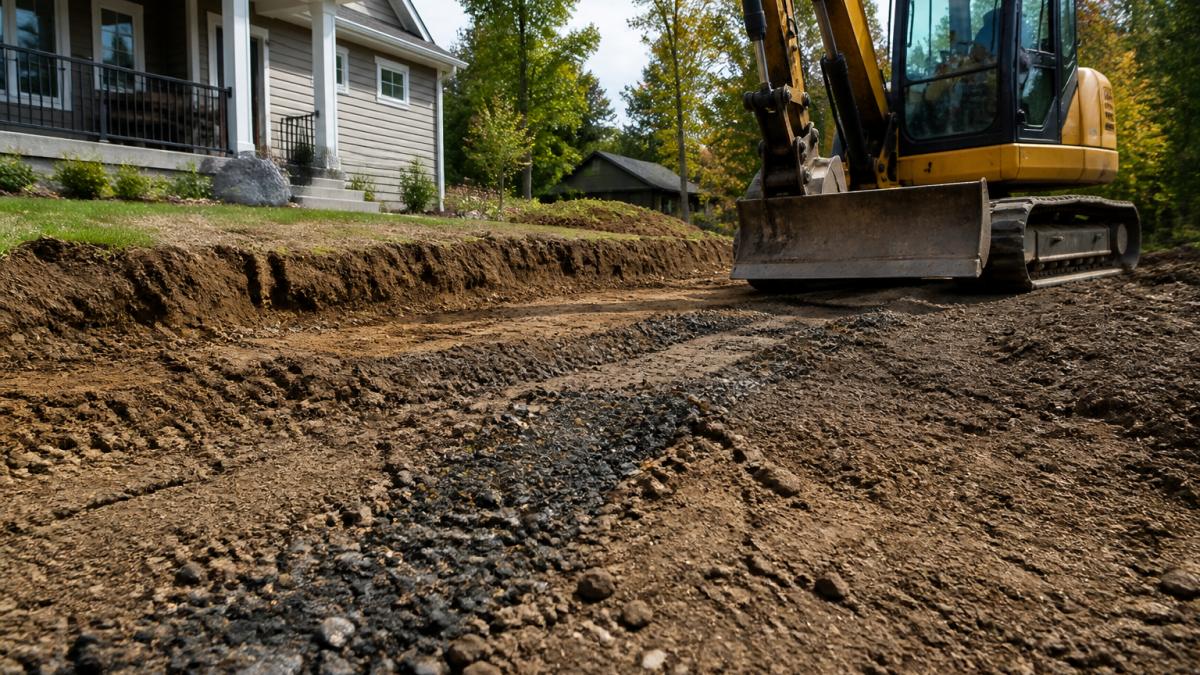
- Ground prep, including grading or drainage correction if needed (1-3 days)
- Post setting and curing (1-2 days, plus cure time)
- Panel, gate, and hardware installation (1-3 days)
- Final walkthrough and cleanup (same day)
Weather affects the middle steps. Concrete needs reasonable conditions to cure, and South Florida's rainy season can push post setting back. Build a buffer into your expectations rather than assuming a fixed date.
If your property has standing water or grading issues, handle those before the fence crew arrives.
Property Lines, Surveys, and Neighbor Considerations
Fence placement starts with a survey, not a guess. On large Southwest Ranches lots, the gap between where a fence looks like it should go and where the property line actually runs can be several feet, enough to create a dispute that costs more to resolve than the fence itself.
When you need a new survey
An older survey may not reflect current conditions. Order a new boundary survey before digging if any of the following apply:
- You do not have a survey from the current owner
- The lot has been subdivided, combined, or re-platted since the last survey
- A previous fence, shed, or driveway appears to cross the line
- You are fencing acreage or a property with platted easements
- A neighbor has raised a concern about the line
Have the property line staked and flagged before any digging begins. A staked line is the only defensible reference if a dispute arises later.
Easements and drainage corridors
Large lots often carry drainage, utility, or access easements. A fence placed inside an easement can be ordered removed by the easement holder, often at your cost. Review the survey and plat for easement notations, and confirm with the Town whether your proposed fence line crosses one. If it does, get written approval before construction.
Shared and boundary fences
Florida law addresses boundary fences between adjoining properties, so confirm who owns and maintains the fence before construction starts. If a fence sits on the line, both owners may have rights and obligations. Put any agreement about the fence line, height, and shared cost in writing, even a short signed note, and note where the fence will sit relative to the surveyed line.
Talking to your neighbor before the crew arrives
A short conversation about the fence line, height, and shared cost (if any) prevents most disputes. Bring the survey. Show where the stakes are. If the neighbor objects, resolve it before materials are ordered, not after posts are in the ground.
If a dispute does arise, keep your survey, photos of the staked line, and any written agreement together. Those records are what a mediator or court will rely on.
Warranty, Workmanship, and Dispute Protections
A fence warranty should cover two separate things: the materials and the installation labor. Material warranties come from the manufacturer and are usually straightforward. Workmanship warranties come from the contractor and are the ones you need in writing.
Ask for the workmanship term in the contract itself, not a verbal promise. Confirm what voids it, such as homeowner-installed modifications or damage from storms. Also confirm the process for filing a claim and the response window.
Dispute protections start with the contract. It should include:
- A clear scope of work and material specifications
- Start and completion dates
- Payment schedule tied to milestones
- The warranty terms in full
- A process for handling change orders
- The contractor's license number and contact information
If a dispute does arise, Florida's construction industry rules give homeowners a defined path, and the DBPR handles licensing complaints. Keep your contract, photos, and payment records together.
Frequently Asked Questions
Do fence contractors need a license in Florida?
Yes. Florida requires fence contractors to hold a state license through the Department of Business and Professional Regulation (DBPR) or a local county license where applicable. You can verify a contractor's license status on the DBPR website using their license number. Always confirm the license is active and covers fence installation work before signing a contract.
What should a fence installation estimate include?
A complete estimate should list materials and specifications, linear footage, post spacing, gate hardware, removal of old fencing, permit fees, and a clear project timeline. Ask whether the price includes cleanup and hauling. Get at least three written bids and compare line items rather than just the total, so you can spot missing scope items that could raise the final cost.
How long does residential fence installation take?
Most residential fence projects take one to three days for standard wood or vinyl runs, depending on linear footage, terrain, and weather. Larger properties with multiple gates or custom aluminum fencing may take longer. Ask your contractor for a written schedule and confirm how permit approval time affects the start date.
How can I verify a fence contractor's insurance?
Request a certificate of insurance showing general liability and workers' compensation coverage, then call the insurer to confirm the policy is active. A licensed contractor should provide this without hesitation. If a contractor cannot produce proof of insurance, do not hire them; you could be liable for injuries or property damage on your own land.
Fencing a large Southwest Ranches property involves more than picking a material. It involves verifying credentials, understanding permits, and making sure the ground underneath is ready. OCAS Residential handles custom fence and gate installation alongside land leveling, precision grading, and site cleanup, so one crew manages the prep and the build. Schedule a free estimate and we will walk your property line with you before anything gets ordered.