 comparison
French Drain Installation Cost Review 2026
Table of Contents
- French Drain Installation Cost Overview
- French Drain Installation Cost Per Linear Foot
- Interior vs. Exterior French Drain Cost
- French Drain vs. Sump Pump: Cost and Effectiveness
- French Drain Installation Estimate Checklist
- French Drain Installation Time and Project Timeline
- Getting a Professional Quote and Next Steps
- Frequently Asked Questions
Last Updated: October 6, 2026
French Drain Installation Cost Overview
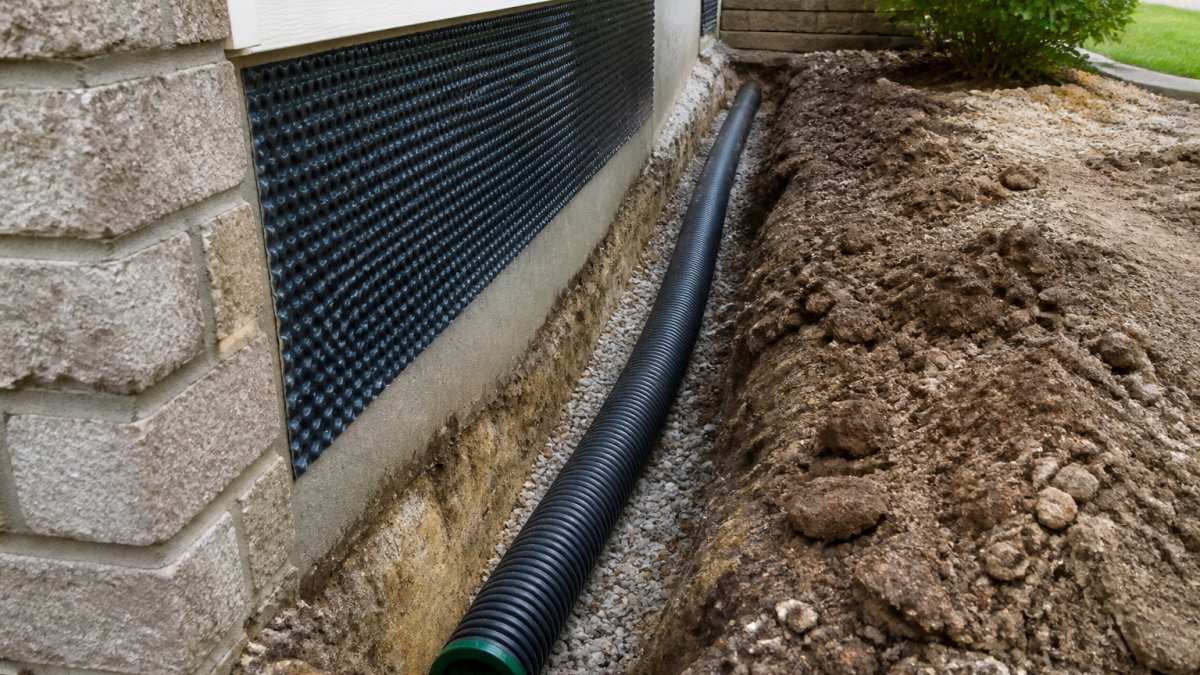
A French drain is a gravel-filled trench that redirects water away from your foundation or low-lying areas.
Total cost depends on drain length, interior versus exterior placement, soil conditions, and local labor rates. Getting multiple estimates from local contractors gives the clearest picture of your project's cost.
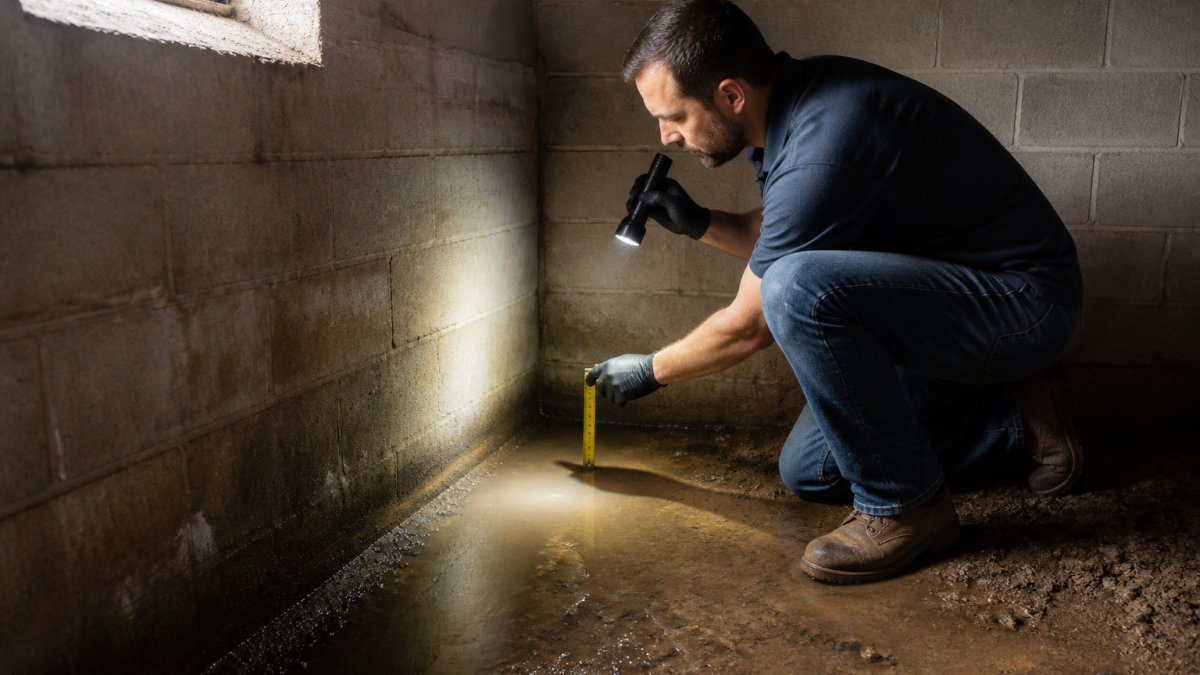
Understanding drainage costs helps homeowners decide whether a French drain makes sense for their property. The key is knowing what drives the price and what to expect from local installation services.
French Drain Installation Cost Per Linear Foot
When evaluating French drain installation cost per linear foot, most homeowners see a headline range of roughly $10 to $85 per linear foot and stop there.
Exterior French drain: typically $10 to $35 per linear foot, covering excavation, perforated pipe, filter fabric, washed gravel, and backfill. A straightforward 60-foot run with easy equipment access often lands near the low end.
Interior French drain: typically $40 to $85 per linear foot. The premium reflects concrete sawing, slab removal, pipe and gravel bed installation below floor level, and new concrete over the channel.
Total project cost for most residential installations falls between about $1,650 and $12,250.
What actually drives the per-foot price
Length alone does not set the rate. These variables do:
- Drain length. Longer runs often get a lower per-foot rate because setup and equipment rental spread across more feet. A 30-foot job can carry a higher per-foot rate than a 120-foot job.
- Soil and geology. Clay-heavy or rocky soil slows excavation and may require a larger machine or hand digging near utilities. Sandy or loamy soil digs faster and cheaper.
- Depth. Deeper trenches mean more material to haul away and more gravel to backfill. Depth is dictated by the frost line and how far below the foundation footing the drain must sit.
- Access. A drain along a narrow side yard, behind a fence, or through a landscaped bed costs more per foot than one in an open lawn, because equipment and spoil removal are harder.
- Materials. Pipe diameter, perforated versus solid sections, geotextile fabric, gravel gradation, and whether a catch basin or inspection port is included all move the number.
- Labor market. Metro-area labor rates run higher than rural rates for the same scope.
- Permits and inspections. Some jurisdictions require a grading or drainage permit, and inspection scheduling adds fees and days.
- Restoration. Sod replacement, reseeding, paver resetting, or interior slab finishing are frequently quoted separately and can add a noticeable percentage to the total.
A worked example
A 75-foot exterior drain in loamy soil, 24 inches deep, with open lawn access and sod restoration, will vary in price depending on local labor. The same 75 feet through a clay-heavy side yard with a fence line, buried irrigation line, and paver walkway to reset can cost significantly more. Same per-foot metric; entirely different drivers.
Local drainage and grading permit requirements
Interior vs. Exterior French Drain Cost
Location dramatically affects installation cost. Interior vs. exterior French drain cost differences stem from labor intensity, equipment needs, and site access.
Exterior French drains run along the outside of your foundation or through your yard. Installation involves excavation, perforated pipe, gravel, and often downspout extensions.
Interior French drains require breaking through basement or crawl space concrete, installing the drain beneath the floor, then resealing the surface.
Some properties need both. If water enters your basement from multiple directions, a combined system provides comprehensive protection at a higher total cost.
The choice often depends on your property layout. If water pools in your yard or foundation trenches, exterior work may solve it.
French Drain vs. Sump Pump: Cost and Effectiveness
Comparing French drain vs. sump pump comes down to three questions: what problem each solves, what each costs to install and own, and when a property needs both. The useful comparison runs the full ownership picture, not just the installation price.
Purpose and mechanism
A French drain is a passive gravity system: a perforated pipe in a gravel-filled trench collects groundwater or surface water and carries it to a lower discharge point. No moving parts, no power requirement.
A sump pump is an active mechanical system: water collects in a pit at the basement or crawl space's low point, and a float-activated pump discharges it through a pipe to the exterior. It requires electricity and a working pump.
Installation cost
- Sump pump: commonly $500 to $2,500 for a basic interior installation, including pit, pump, discharge line, and check valve. A battery backup or a primary-plus-backup configuration adds cost.
- French drain: roughly $10 to $35 per linear foot exterior and $40 to $85 per linear foot interior, with most full projects landing between about $1,650 and $12,250.
On a pure upfront basis, a sump pump is usually the cheaper single-system entry point. That comparison is incomplete without the ownership side.
Long-term ownership cost
- Sump pump: the pump itself is typically replaced every 5 to 10 years. Expect periodic float or switch failures, check valve replacement, and discharge line freeze protection in cold climates. A backup pump and battery add both upfront cost and battery replacement every few years. Power outages are the system's main vulnerability unless a battery or water-powered backup is installed.
- French drain: minimal moving parts, but not maintenance-free. The gravel bed and pipe can silt up over time, especially where filter fabric was omitted or installed incorrectly. Periodic inspection of the discharge point, keeping the outlet clear, and addressing root intrusion are the main ongoing tasks. A properly built system can function for decades; a poorly built one can clog within a few years.
Decision framework
| Factor | French drain | Sump pump |
|---|---|---|
| Best for | Yard or foundation-perimeter water, high water table, surface pooling | Water entering a basement or crawl space, especially a finished one |
| Power needed | No | Yes |
| Upfront cost | Higher | Lower |
| Ongoing cost | Low, mostly inspection | Pump replacement, backup power, parts |
| Fails when | Clogs, outlet blocked, grade changes | Power lost, pump or float fails |
| Excavation | Trench in yard or slab | Pit in floor |
When both systems are needed
A common pattern is a high water table plus a finished basement. The French drain intercepts groundwater before it reaches the foundation, and the sump pump handles whatever still enters the pit. Neither alone addresses both the exterior source and interior collection point.
A property with good natural slope and water that only pools in the yard may need a French drain alone. A dry yard with a wet basement floor may need only a sump pump. The site assessment separates these cases.
French Drain Installation Estimate Checklist
Before requesting quotes, prepare a checklist so contractors can assess your project accurately and you receive comparable estimates.
Site Assessment Items:
- Measure the distance from your foundation or problem area to where water should drain
- Note soil type (clay, sand, rocky, mixed)
- Document how often water appears and how much accumulates
- Identify obstacles: trees, utilities, hardscape, existing structures
- Take photos from multiple angles showing the drainage problem
- Measure the slope of your property (does water naturally run away or collect?)
System Specification Items:
- Decide whether you need interior, exterior, or combined drainage
- Note the depth of your foundation and any basement/crawl space dimensions
- Identify where discharge water should exit (storm drain, street, lower elevation area)
- Ask whether local permits are required and who handles them
- Confirm whether the contractor will handle grading or landscape restoration
Cost Comparison Items:
- Request itemized estimates (excavation, pipe, gravel, labor, permits, restoration)
- Ask about warranty on materials and workmanship
- Clarify whether the estimate includes site cleanup and debris removal
- Confirm timeline and any weather-related contingencies
A thorough checklist helps contractors give accurate quotes and prevents surprise costs later.
French Drain Installation Time and Project Timeline
Most French drain installations take 3 to 10 days, depending on length and complexity. Knowing the timeline helps you plan around the disruption.
Interior basement drains take longer, typically 5 to 10 days, because concrete cutting, removal, and replacement add time. A finished or cluttered basement extends the timeline.
Weather impacts the timeline significantly: heavy rain halts excavation and frozen ground delays digging. Contractors typically schedule French drain work in spring, summer, or early fall.
Permit requirements also affect the timeline. If your jurisdiction requires inspections, add a few days for scheduling and approval. Coordination with local authorities can prevent delays from miscommunication.
Getting a Professional Quote and Next Steps
A professional quote is the first step toward solving your drainage problem. A site assessment from a qualified contractor reveals whether a French drain is right and what it will cost for your property.
When you contact installation services, provide your checklist information.
Most contractors provide free, no-obligation estimates. Use the opportunity to ask about their experience, warranty, and process. A professional will explain the work clearly and address cost and timeline concerns.
OCAS Residential offers a free site assessment and detailed estimate for French drain installation and other drainage solutions.
The next step is simple: Schedule Free Estimate with OCAS Residential.
Frequently Asked Questions
How much does it cost to have a professional install a French drain?
Professional French drain installation costs depend on drainage problem severity, yard size, soil conditions, and whether the drain is installed inside or outside. Exterior yard drains generally cost less per linear foot than interior basement drains. Request a site assessment from a local contractor to determine your specific project cost.
What factors make French drain installation more expensive?
Installation costs increase with project length (measured in linear feet), soil type and excavation difficulty, depth required to reach the water table, interior versus exterior placement, proximity to the foundation, need for a sump pit or pump, and local labor rates. Complex sites with poor drainage or deep water issues cost more. A professional site assessment identifies these variables before providing an estimate.
How long does it take to install a French drain?
French drain installation time varies depending on project scope and site conditions. A small exterior drain in accessible soil may take less time than longer interior drains or complex drainage systems. Weather, soil composition, and the need for permits affect the timeline. Your contractor should provide a specific schedule during the estimate phase.
Is it better to install a French drain inside or outside a crawl space?
Exterior French drains cost less ($10-$35 per linear foot) and are ideal for yard water pooling and surface drainage. Interior basement drains cost more ($40-$85 per linear foot) but directly address persistent wet basements and crawl spaces. Many homeowners use both together for complete protection. Your site assessment determines which approach solves your specific water problem.
Drainage problems don't improve on their own, standing water damages your foundation and creates safety hazards. A professional French drain installation, combined with proper grading and site assessment, solves the problem permanently. OCAS Residential specializes in effective drainage solutions and landscape restoration, delivering the precision grading and site preparation your property needs. Get started with a free estimate and learn exactly what your project will cost.