 comparison
Is Professional Land Leveling Worth It for Drainage?
Table of Contents
- What Professional Land Leveling Does for Drainage
- Signs of Poor Yard Drainage That Demand Professional Attention
- How to Fix Backyard Muddy Spots: Professional vs. DIY Approaches
- Cost of Residential Land Grading: What You'll Actually Pay
- Risks of DIY Land Leveling and When to Hire a Professional
- How Professional Grading Protects Your Foundation and Property Value
- Is Professional Land Leveling Worth the Investment?
- Frequently Asked Questions
Last Updated: October 4, 2026
What Professional Land Leveling Does for Drainage
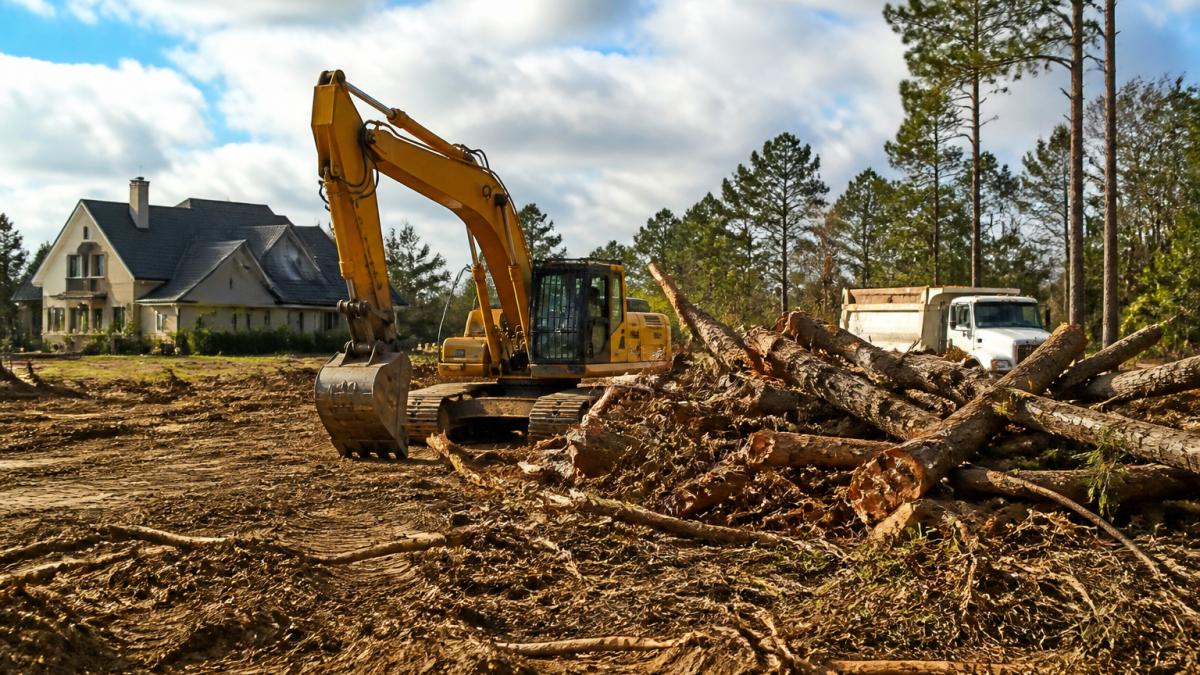
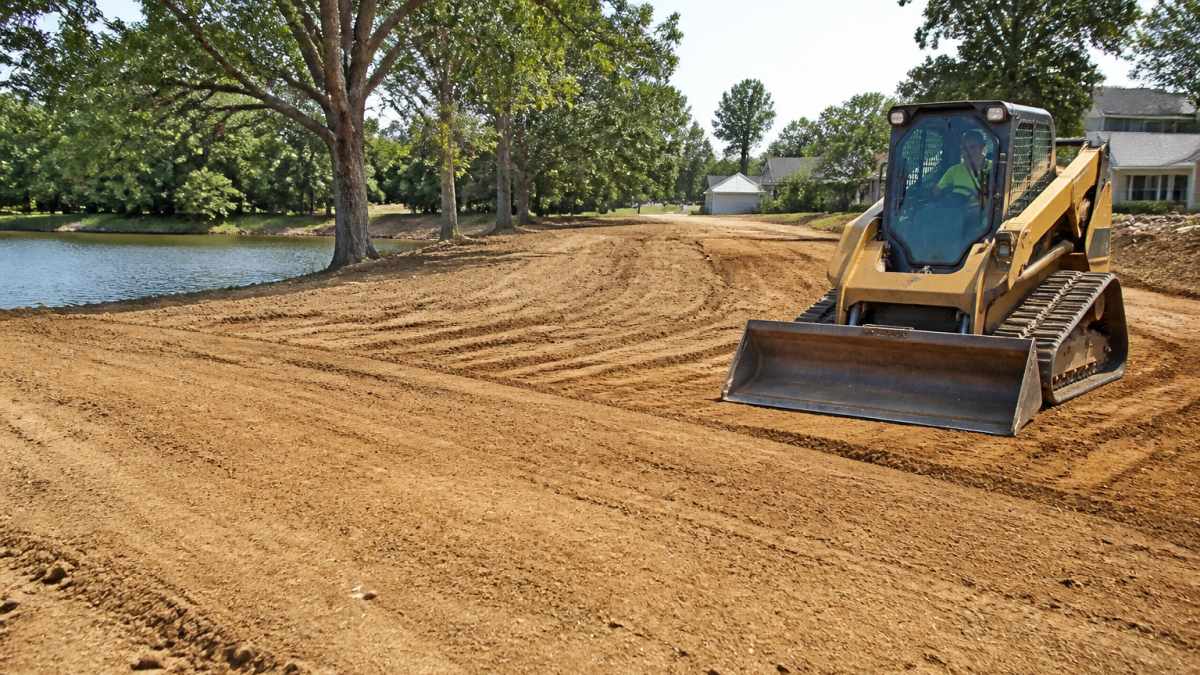
Professional land leveling is the process of reshaping your property's surface to direct water away from structures and low spots where it pools. It's one of the most effective solutions for chronic drainage problems because it addresses the root cause: improper slope and topography.
When water doesn't flow naturally away from your home's foundation, it creates hydrostatic pressure against basement walls, erodes soil around footings, and damages landscaping. Professional grading corrects this by establishing proper slope and water diversion patterns.
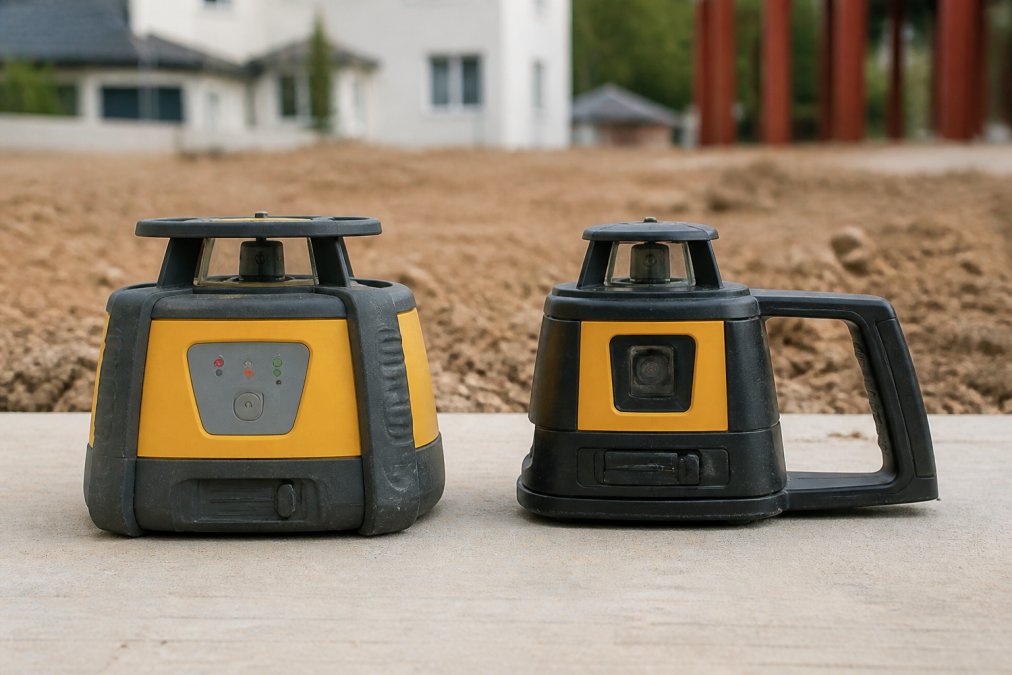
A grading contractor uses laser-guided equipment to establish exact slopes, typically a 2% grade (about 2 feet of drop per 100 feet of distance) away from your foundation, a level of accuracy nearly impossible to achieve with hand tools or rental equipment.
Professional grading integrates with your property's existing drainage infrastructure, evaluating downspout extensions, swales, and soil composition to create a comprehensive water management system that sheds water efficiently during heavy rain.
Signs of Poor Yard Drainage That Demand Professional Attention
Standing water after rain is the most obvious sign, but several other red flags indicate you need professional drainage correction.
Visible erosion, gullies, bare patches, or soil displacement near downspouts indicate improper water flow. Muddy spots that stay wet for days suggest poor drainage or grading. Foundation cracks, especially horizontal ones, often develop from hydrostatic pressure caused by water accumulating around footings.
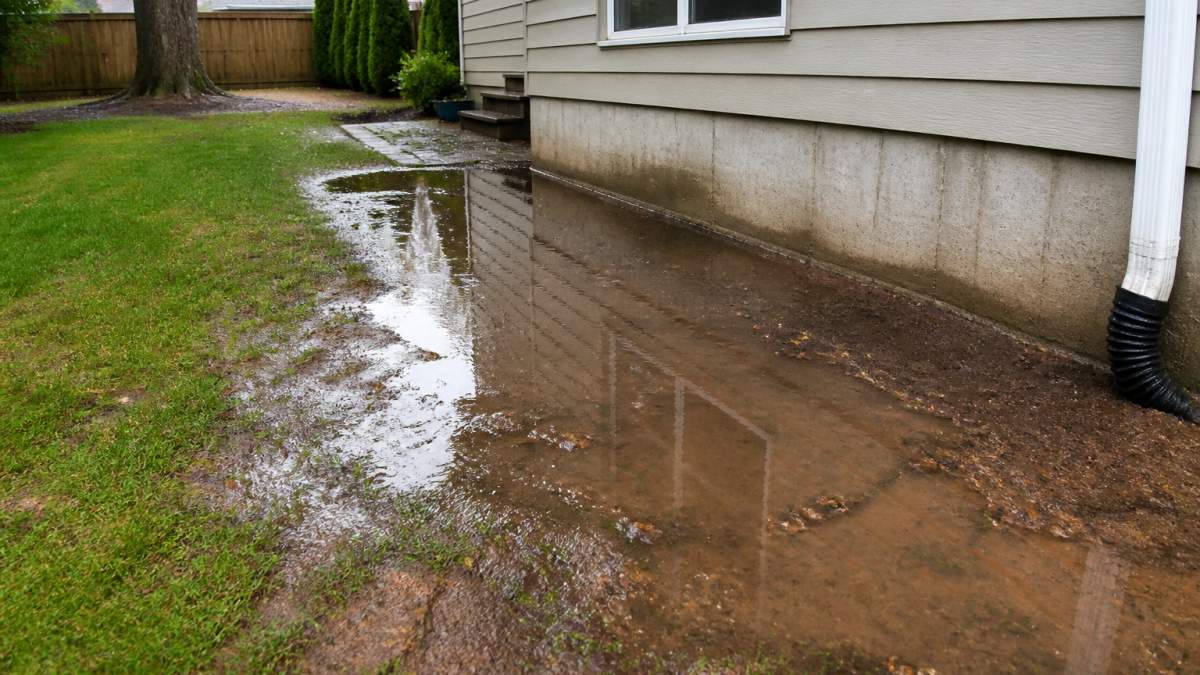
Mold, moisture, or musty smells in your basement or crawl space indicate water is accumulating outside and finding ways inside. Landscape damage, dead shrubs, or eroded planting beds suggest water is drowning roots or eroding soil.
Ignoring these signs is costly: foundation damage, basement flooding, and landscape erosion become exponentially more expensive to fix than preventive grading.
How to Fix Backyard Muddy Spots: Professional vs. DIY Approaches
Muddy spots result from poor drainage, compacted soil, or water converging in low areas. The fix depends on severity and your willingness to invest in proper equipment.
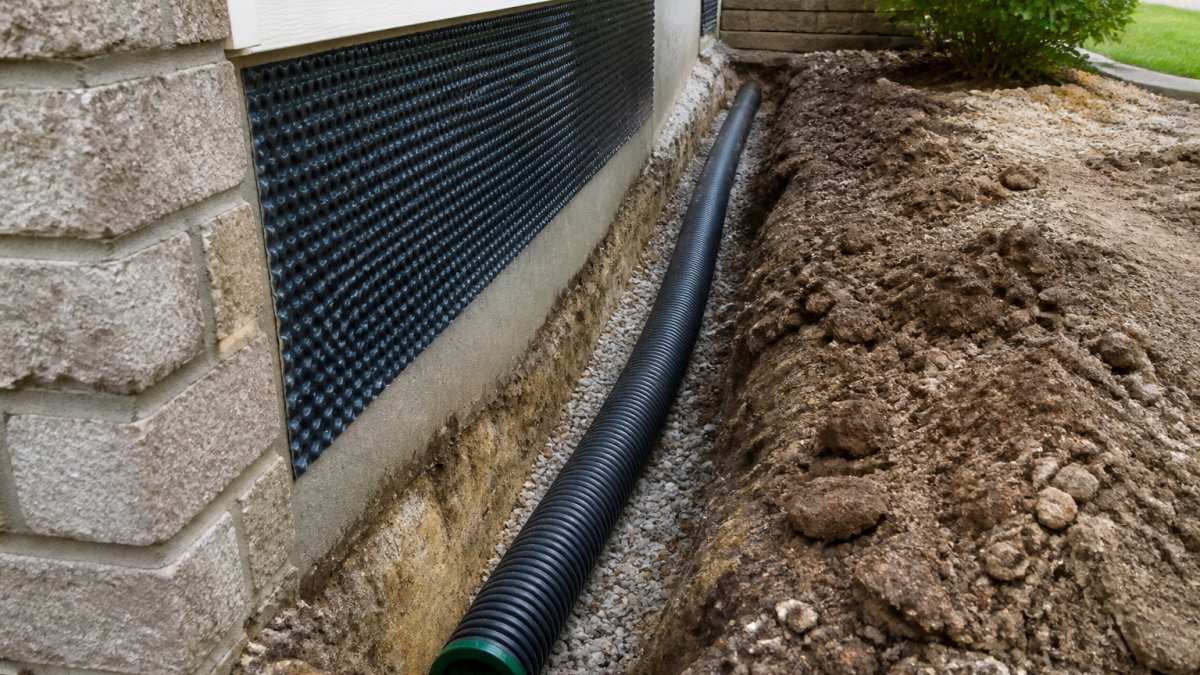
DIY Approaches: Adding mulch or gravel improves drainage temporarily but doesn't solve underlying problems. Raking soil to create slopes is difficult without proper equipment. Installing French drains is labor-intensive. Extending downspouts redirects roof water but doesn't address existing drainage failures. DIY fixes treat symptoms, not causes, a muddy corner might improve with gravel, but if your yard slopes toward your foundation, the problem returns.
Professional Approaches: A grading contractor evaluates your entire property's water flow patterns and recommends comprehensive re-sloping, subsurface drainage systems, or swales and berms. Professional equipment ensures proper slope and soil compaction that prevents settling. Professionals identify hidden problems, soil type issues, natural low points, and integration with long-term landscaping plans, delivering permanent solutions.
Cost of Residential Land Grading: What You'll Actually Pay
Professional land leveling costs vary based on property size, topography, soil conditions, and complexity. Understanding typical ranges helps you make an informed decision.
Professional Grading Costs
Most residential grading projects range from $1,500 to $5,000 for small to mid-sized properties (under one acre), with larger or more complex jobs reaching $8,000 to $15,000 or more. Cost per square foot typically falls between $0.50 and $2.00. Subsurface drainage systems add $1,000 to $3,000. Significant topography changes, heavy clay soil, or difficult site access push costs higher. Factors include total area, soil displacement, soil type, drainage infrastructure needs, equipment accessibility, and whether fill soil must be imported.
DIY Equipment Rental Costs
Renting equipment for DIY grading can be more expensive than expected. For a typical project, equipment rental alone can be significant before fuel, delivery fees, damage deposits, and labor. DIY projects often require multiple rental periods due to steep learning curves and underestimated timelines, extending costs further.
Return on Investment
Professional grading prevents costly foundation damage and basement waterproofing issues. Property value also increases measurably; homes with excellent drainage command higher resale prices and sell faster.
What to Compare When Evaluating Quotes
Compare scope of work (square feet, drainage features), equipment and duration, compaction standards (95% of maximum density is typical), post-grading guarantees (1-2 year settling warranties), and site cleanup. The cheapest quote isn't always best value; inadequate compaction fails within months. Verify contractors are licensed, insured, and can provide recent residential references.
Risks of DIY Land Leveling and When to Hire a Professional
DIY land leveling carries real risks that often outweigh savings, and several legal and technical factors should drive your decision to hire a professional.
Technical Risks of DIY Grading
The most common mistake is creating improper slope that actually worsens drainage or causes new problems. Without laser-guided equipment, achieving consistent 2% grade (about 2 feet of drop per 100 feet of distance) is nearly impossible. You might create a slope that looks level to the eye but directs water toward your foundation instead of away. Once soil settles, correcting a failed DIY grade is expensive.
Soil compaction is another critical failure point. Loose, newly-moved soil settles over months, creating new low spots and undoing your work. Professional compaction equipment, plate compactors or vibratory rollers, ensures soil stays stable. Hand-tamping is inadequate for anything beyond small areas. Improperly compacted soil also becomes a liability if future foundation or landscape work is done; contractors may refuse to build on unstable ground.
Equipment rental costs add up quickly. Factor in fuel, potential damage charges, and the learning curve for operating unfamiliar machinery. Many DIY projects end up costing nearly as much as professional work once all expenses are tallied.
Permitting and Legal Requirements
A major gap in DIY decision-making is permitting. Many municipalities require grading permits for projects that involve more than a certain amount of soil movement (commonly 50 to 100 cubic yards) or that alter drainage patterns. Performing unpermitted grading can result in fines or orders to restore the property to its original state at your expense. Some jurisdictions also require grading plans signed by a licensed engineer for larger projects.
Before any grading work, professional or DIY, you must call your local utility locating service (commonly called "Call Before You Dig" or similar). This free service marks the location of underground utilities including gas, electric, water, and sewer lines. Striking a gas line or electrical conduit can cause injury, death, or utility damage claims of tens of thousands of dollars.
Contact your local building or planning department to determine whether your project requires a permit, what the process is, and whether a grading plan is needed. This step takes a few hours and prevents costly legal problems.
Soil Type Considerations
Soil composition dramatically affects whether professional intervention is necessary. Clay soil, common in many regions, is poorly draining and compacts unevenly. Grading clay requires specialized equipment and expertise to achieve proper compaction without creating hardpan (a dense, impermeable layer that worsens drainage). Sandy soil drains quickly but is unstable and prone to erosion; it requires different grading and compaction approaches.
A professional contractor evaluates soil type through visual inspection and sometimes soil testing. They know whether your soil will respond well to standard compaction or requires amendments (adding sand, compost, or stabilizers). DIY graders rarely account for soil type, leading to solutions that fail in months.
When to Hire a Professional
You should hire a professional when:
- Your property has significant topography challenges or sits in a natural low point
- You need subsurface drainage systems (French drains, swales, catch basins, or sump systems)
- The project covers more than a few hundred square feet
- Your soil is predominantly clay or has poor natural drainage
- You've had previous drainage issues that DIY fixes didn't solve
- You're planning landscaping, construction, or foundation work (proper site preparation prevents future problems)
- Your municipality requires a grading permit or engineer-signed plan
- You want a warranty or guarantee on the work
When DIY May Be Appropriate
DIY approaches can work for very minor issues: regrading a small muddy corner (under 100 square feet), extending a downspout away from the foundation, or adding gravel to improve surface drainage in a localized area. These tasks don't require permits, specialized equipment, or soil compaction and can be completed in a weekend with basic tools. However, if the problem persists after DIY work, professional assessment is warranted.
Professional grading also provides something DIY approaches cannot: expertise, accountability, and legal compliance. A qualified contractor assesses your entire property, identifies problems you might miss, designs solutions that work long-term, and ensures all permitting and utility requirements are met. They stand behind their work with proper compaction standards and often offer settling guarantees.
How Professional Grading Protects Your Foundation and Property Value
A properly graded yard is one of the best investments in your home's longevity. Water is the primary threat to foundation integrity. When water accumulates against foundation walls, hydrostatic pressure develops, causing cracks, bowing, and eventually structural failure. Professional grading eliminates this risk by ensuring water moves away from your foundation naturally.
The protection extends to your landscaping and outdoor structures. Proper slope prevents erosion that destroys planting beds and walkways. Patios and decks last longer when water doesn't pool beneath them. Landscape architecture that accounts for proper drainage looks better and requires less maintenance.
Property value increases measurably with good drainage and site preparation. Buyers recognize that a property with excellent grading has fewer hidden problems. A comprehensive grading project signals that the property has been maintained professionally. OCAS Residential offers professional land leveling, grading, and clearing services that improve both function and appearance.
Is Professional Land Leveling Worth the Investment?
The answer depends on your specific situation, but for most homeowners with drainage issues, professional land leveling delivers clear value.
It's worth the investment if:
- You have chronic standing water or muddy areas
- You've noticed foundation cracks or basement moisture
- Your property sits in a natural low point
- You're planning landscaping or construction
- You've tried DIY fixes that didn't solve the problem
- You want to increase property value before selling
It may be less critical if:
- Your drainage issues are minor and isolated to one small area
- Your property already has good natural slope away from structures
- You're comfortable with temporary solutions like improved gravel or downspout extensions
The real question isn't whether professional grading costs money, it does. The question is whether preventing foundation damage, protecting your landscaping, and maintaining property value justifies that investment. For most homeowners, the answer is yes.
Professional grading also provides something DIY approaches cannot: expertise and accountability. A qualified contractor assesses your entire property, identifies problems you might miss, and designs solutions that work long-term. They stand behind their work with proper compaction and grading standards.
Standing water in your yard isn't just an aesthetic problem, it's a threat to your foundation and property value. If you're dealing with drainage issues, professional assessment is the first step. OCAS Residential specializes in precision land leveling and drainage solutions that address the root cause of water problems. We evaluate your property's topography, soil conditions, and water flow patterns to design a grading plan that works permanently. Schedule a free estimate to see how professional grading can transform your property and protect your investment.
Frequently Asked Questions
How do I know if my yard needs professional land leveling?
Your property likely needs professional land leveling if you see standing water that persists for hours after rain, muddy areas that never fully dry, water pooling near your foundation, or signs of erosion on slopes. Professional grading becomes necessary when DIY fixes like regrading small areas or adding downspout extensions haven't solved the problem. A site assessment by a qualified contractor can determine whether surface drainage adjustments or deeper grading intervention is required.
Is professional land leveling a permanent fix for standing water?
Professional land leveling is a long-term solution for standing water when done correctly. By reshaping your yard's topography and creating proper slope management, water flows away from problem areas instead of pooling. However, permanence depends on soil compaction quality, ongoing maintenance, and whether subsurface drainage issues exist. If your standing water results from poor sub-surface drainage or hydrostatic pressure from groundwater, surface grading alone may need to be paired with french drains or swales for a complete fix.
What makes professional land leveling better than DIY approaches?
Professional contractors have grading equipment that achieves precise slope angles, typically 2-5% grade, needed for effective water diversion. They understand soil displacement, compaction techniques, and how to integrate drainage solutions with your existing landscape. DIY approaches risk uneven grading that channels water toward your foundation instead of away from it, or compacting soil inadequately so it settles and creates new low spots. Professionals also account for curb appeal and landscape design while solving the drainage problem.