 comparison
CD Grading vs Nobl Sitework: Key Differences
Table of Contents
- CD Grading vs Nobl Sitework: Service Overview
- What Sets These Services Apart
- Residential Land Grading Services Explained
- Drainage Solutions for Residential Property
- Cost of Professional Land Grading
- Which Service Fits Your Project
- Common Mistakes When Choosing a Grading Contractor
- Frequently Asked Questions
Last Updated: September 22, 2026
CD Grading vs Nobl Sitework: Service Overview
Understanding the difference between CD Grading vs Nobl Sitework is critical when preparing a residential property for construction or landscaping. Both address site preparation but approach the work differently.
Choosing the right service affects your project timeline, budget, and property performance.
Proper site preparation prevents standing water, poor drainage, and uneven terrain that cause structural settling and foundation damage. Selecting the right contractor protects your investment.
What Sets These Services Apart
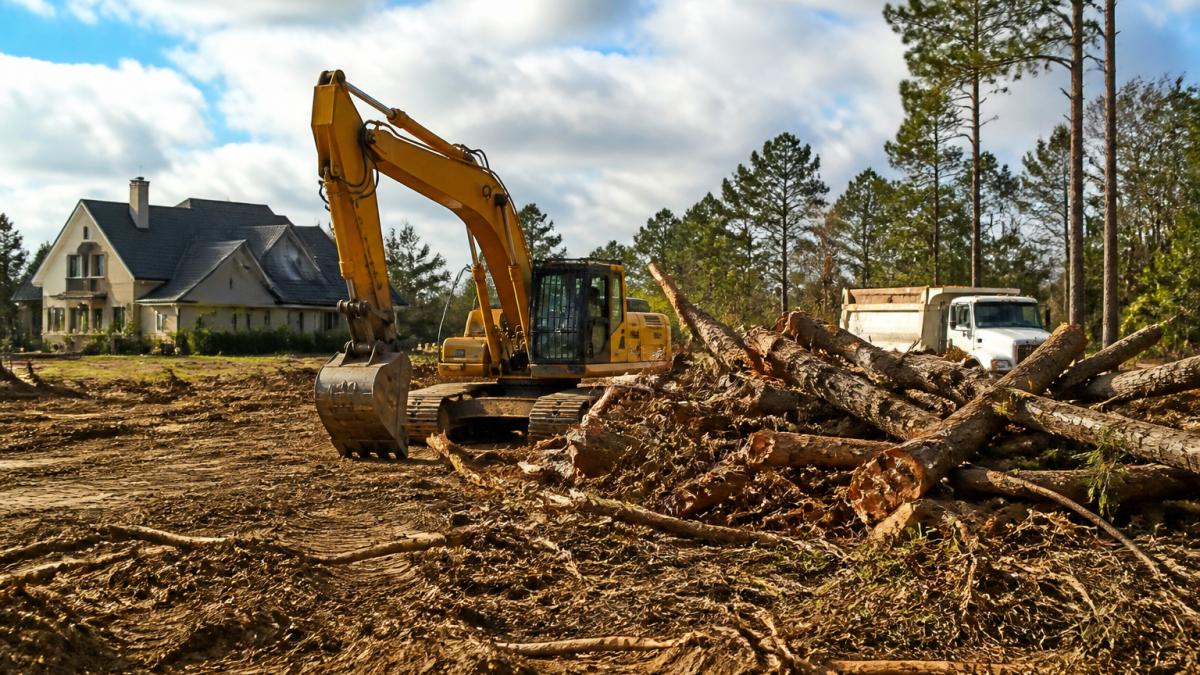
For simple grading, lot leveling, or drainage fixes, focused expertise is beneficial. For larger developments with demolition and complex drainage, a broader range of services may align better.
Simple grading jobs benefit from specialized focus; complex multi-phase projects benefit from integrated services. OCAS Residential offers comprehensive residential grading, drainage solutions, and site cleanup.
Residential Land Grading Services Explained
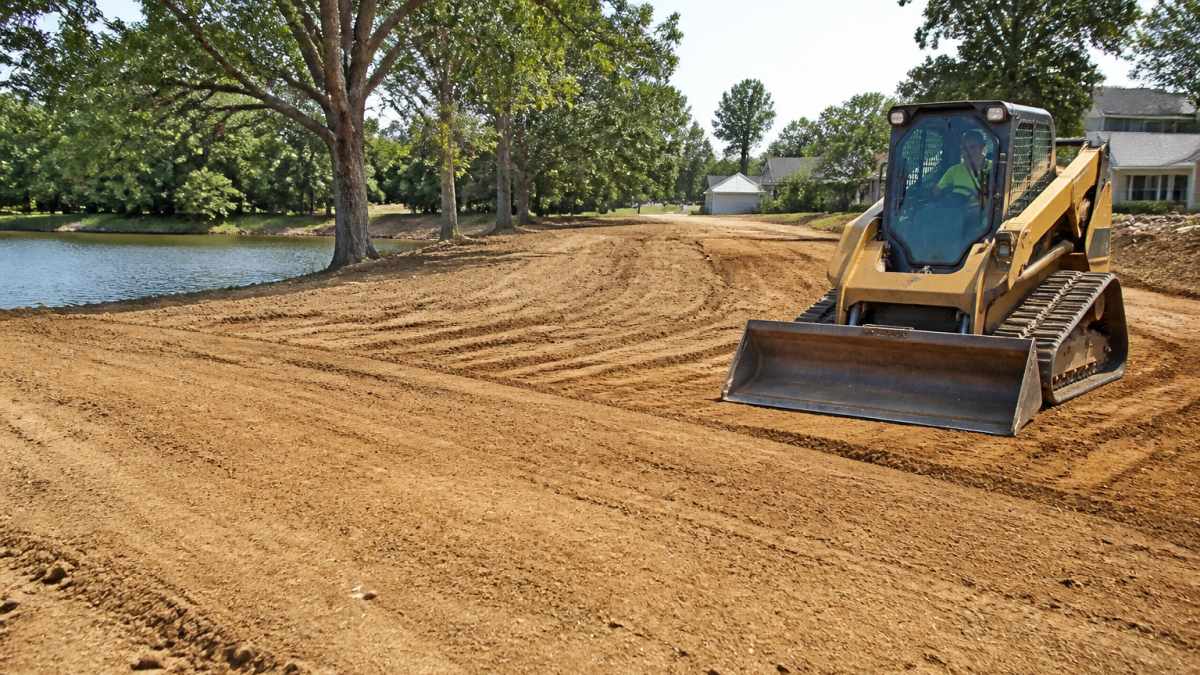
Residential land grading reshapes topography to achieve proper drainage, structural stability, and usable space through excavation, soil compaction, and elevation management.
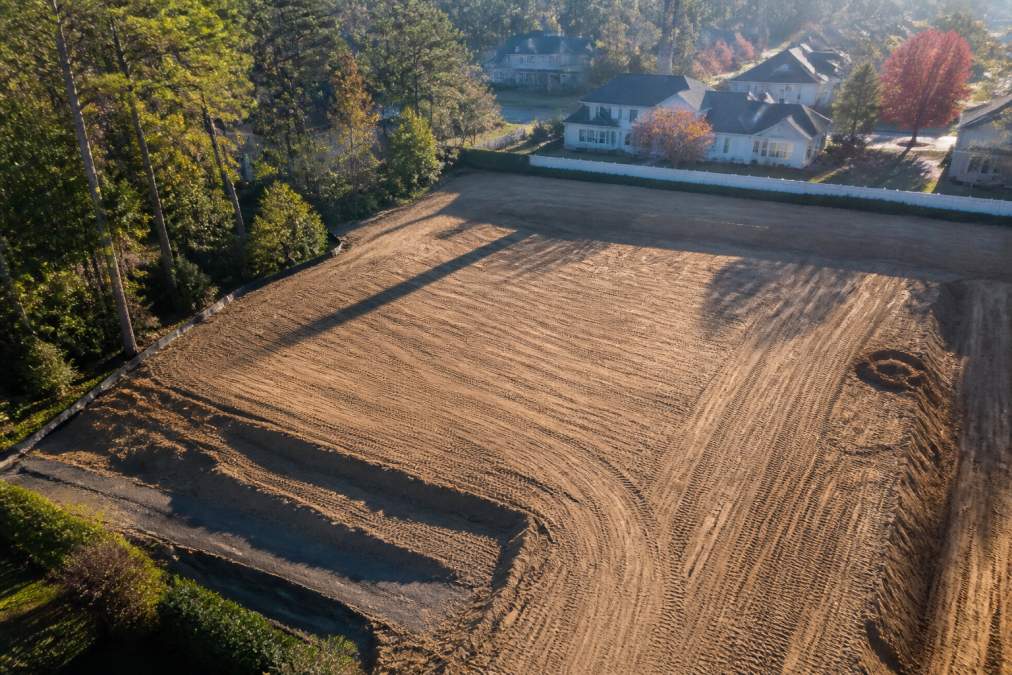
Grading contractors evaluate slope, identify water pooling areas, and create finish grade that supports drainage and usability. Proper compaction prevents settling, elevation directs runoff, and surface levelness supports construction or landscaping.
Many properties have subtle depressions that aren't obvious until heavy rain reveals standing water. Professional grading identifies and fixes these problems before they become costly.
The grading process includes site survey, excavation, soil compaction, and final grading to achieve target elevation. For residential properties, this typically takes several days depending on lot size.
Drainage Solutions for Residential Property
Poor drainage is common and fixable. Standing water causes erosion, foundation issues, and vegetation damage.
Effective drainage starts with proper grading to direct water away from structures. Many properties also benefit from additional infrastructure like swales or subsurface systems.
How Soil Composition Affects Drainage Strategy
Professional contractors understand how soil type dictates which drainage solution works. Soil composition determines water infiltration rates; choosing the wrong method wastes money.
Clay-heavy soils have low permeability and often experience standing water even on sloped terrain. Surface drainage solutions like swales and French drains work better than subsurface systems, since water won't infiltrate quickly. Subsurface systems in clay soil without accounting for poor infiltration leave persistent wet spots.
Sandy soils have high permeability and rarely have standing water, but may have erosion issues. Subsurface drainage and infiltration systems work well, but surface grading must account for rapid water movement downslope.
Professional contractors evaluate soil composition before recommending drainage solutions. They should explain why a specific approach matches your soil type, not propose generic solutions.
Drainage Infrastructure Options
Swales are shallow, vegetated channels that direct surface runoff and blend into the landscape. They work best on sloped terrain and clay-heavy soil where subsurface movement is limited.
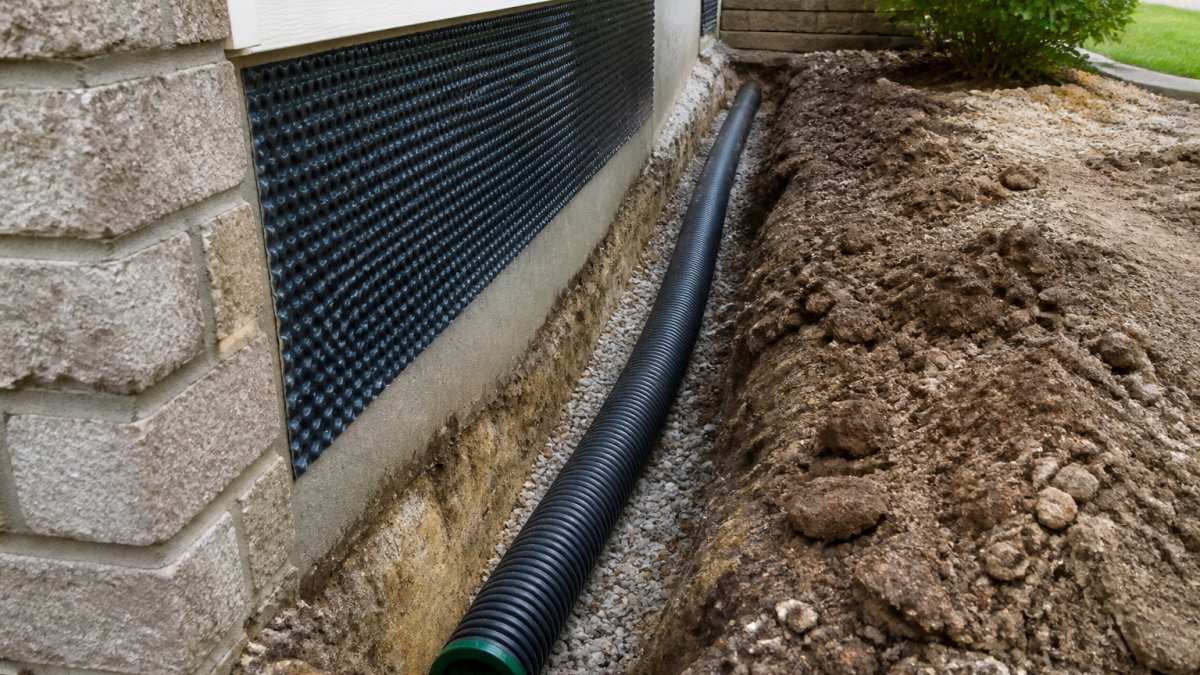
French drains combine a gravel-filled trench with perforated pipe to move water away from problem areas. They work in both clay and sandy soils, though the mechanism differs.
Subsurface drainage systems use perforated pipes and gravel beds to move water through soil. They work best on sandy or loamy soil; in clay soil they often fail without accounting for poor infiltration.
The Relationship Between Grading and Drainage
Proper grading prevents drainage problems. Site preparation should address both grading and drainage simultaneously.
Contractors who understand soil stabilization design drainage that works for your property's conditions by evaluating soil and creating grading plans that work with soil characteristics.
Cost of Professional Land Grading
Residential grading pricing depends on property size, topography, soil conditions, equipment access, and complexity. Small lots requiring minor grading cost significantly less than large properties with extensive excavation.
Understanding Grading Cost Factors
Property size and scope. Contractors price by the hour or project scope, not square footage, because work varies dramatically based on site conditions.
Soil conditions and excavation depth. Poor drainage or significant low spots require more excavation and fill. Fill dirt is charged by the cubic yard with delivery costs varying by distance and volume.
Equipment requirements. Small properties use compact excavators; larger properties require dozers and heavy compaction equipment. Equipment rental and operator time significantly affect cost.
Site access and debris removal. Limited equipment access or existing structures to demolish add time and disposal costs.
Permitting and regulatory requirements. Grading permits typically cost $100-$500. Drainage easements, wetland restrictions, or stormwater requirements add complexity and cost.
Cost-Benefit Analysis: Professional vs. DIY Grading
Many homeowners consider DIY grading to save money, but this often creates expensive problems.
Professional grading costs more upfront but delivers proper compaction, correct elevation, and effective drainage. Contractors evaluate soil, create grading plans, verify compaction, and ensure drainage solutions work.
DIY or low-cost grading saves money initially but often creates problems: improper compaction causes settling and foundation damage; wrong elevation perpetuates drainage issues; inadequate preparation leads to failed landscaping and construction delays.
Repairing damage from poor site preparation typically costs 5-10 times more than professional grading. Saving $2,000 on grading but spending $15,000 on foundation repairs is an expensive mistake.
Permitting and Regulatory Checklist
Building permit for grading work. Many jurisdictions require permits for grading projects. Contact your local building department to confirm requirements.
Stormwater management plan. Properties in areas with stormwater regulations may require a plan showing how the grading work will manage runoff. This is increasingly common in areas with environmental protection regulations.
Erosion and sediment control plan. Properties with significant excavation or fill work may require erosion control measures during construction. This protects neighboring properties and waterways from sediment runoff.
Environmental review. Properties with wetlands, protected vegetation, or other environmental features may require environmental assessment before grading work begins.
Drainage easement verification. Some properties have drainage easements that restrict grading work in certain areas. Verify easement locations before planning your grading project.
Homeowners association approval. If your property is in a community with an HOA, confirm whether grading work requires approval before proceeding.
A professional grading contractor should address these requirements upfront. They'll confirm what permits are needed, help you obtain them, and ensure the work complies with local regulations. This prevents costly delays and legal problems.
Getting Accurate Quotes
Rather than guessing at costs, the best approach is to get quotes from contractors who can evaluate your specific property. Site conditions vary dramatically. A property with good natural drainage might need minimal work. A property with poor drainage and challenging topography might require extensive grading and fill dirt delivery.
When comparing quotes, look beyond the headline price. Understand what work is included:
- Does the quote cover site survey and soil evaluation?
- What excavation and fill work is included?
- Does it include compaction verification?
- Is fill dirt delivery included, or is that a separate cost?
- Does it include site cleanup and debris removal?
- Are permitting and regulatory compliance included?
A lower quote that excludes critical work isn't actually cheaper, it just defers costs. A contractor who provides a detailed breakdown of what's included, what it costs, and why it's necessary is more trustworthy than one who provides a vague number.
Which Service Fits Your Project
Choosing a service depends on your project scope and timeline. If your project involves precision grading, drainage solutions, and site preparation for new construction or landscaping, a specialized focus delivers what you need. If your project involves demolition, extensive land clearing, and coordinated multi-phase development, broader capabilities may be more efficient.
Ask yourself these questions: Am I managing a simple grading project, or a complex multi-phase development? Do I need a single contractor handling everything, or am I comfortable coordinating multiple specialists? Is precision grading my primary concern, or do I need broader site development services?
For most residential homeowners in Southwest Ranches and surrounding areas, precision grading and drainage solutions are the primary needs. You want your property properly prepared for construction, landscaping, or fence installation.
Common Mistakes When Choosing a Grading Contractor
The first mistake is choosing based on price alone. Grading work directly affects your property's long-term performance. A contractor who cuts corners on compaction or elevation creates problems that cost thousands to fix later. The cheapest quote often reflects inadequate work, not efficiency.
Frequently Asked Questions
What is the main difference between CD Grading and Nobl Sitework?
CD Grading and Nobl Sitework differ in their scope and specialization. Both offer residential land grading services, but their equipment, crew expertise, and project management approaches vary. Your choice depends on whether your project needs specialized grading precision or broader site development capabilities.
How do drainage solutions for residential property differ between these two companies?
Drainage solutions for residential property require proper slope, swale design, and surface runoff management. If your property has standing water or complex drainage needs, ask each contractor how they assess your lot's topography and what specific solutions they recommend before committing.
What factors affect the cost of professional land grading?
The cost of professional land grading depends on lot size, soil composition, existing topography, equipment required, and project scope. Properties needing fill dirt delivery, compaction, and structural settling remediation cost more than simple grading. Site survey complexity, accessibility for earthmoving equipment, and local permitting requirements also impact pricing. Rather than comparing quoted prices directly, ask contractors what their estimate includes: site inspection, demolition, subgrade preparation, and finish grade work. Get quotes from multiple contractors to understand the market in your area.
How do I know if a grading contractor will actually solve my drainage problem?
A reliable grading contractor should conduct a thorough site inspection and explain how they'll address your specific drainage issue. They should discuss elevation changes, slope direction, and whether swales or additional drainage systems are needed. Ask for references from similar residential projects and inquire about their experience with your property's soil type. Visual indicators of bad grading, pooling water, erosion, or uneven settling, should be part of their assessment. Request a written plan showing the proposed finish grade and how water will flow away from your home.