 how-to
How to Fix Standing Water in Yard: 7 Proven Solutions
Table of Contents
- Identify the Root Cause of Standing Water
- How to Fix Backyard Muddy Spots with Drainage Systems
- Land Grading for Drainage: Reshape Your Yard
- Yard Drainage Solutions: Quick Fixes and Long-Term Options
- DIY vs. Professional Drainage Solutions: Cost and Results
- Seasonal Maintenance to Prevent Standing Water
- Frequently Asked Questions
Last Updated: September 2, 2026
Identify the Root Cause of Standing Water
Standing water results from specific drainage failures. Most homeowners jump to solutions without understanding the cause, that's backwards. The fix depends entirely on what's actually happening.
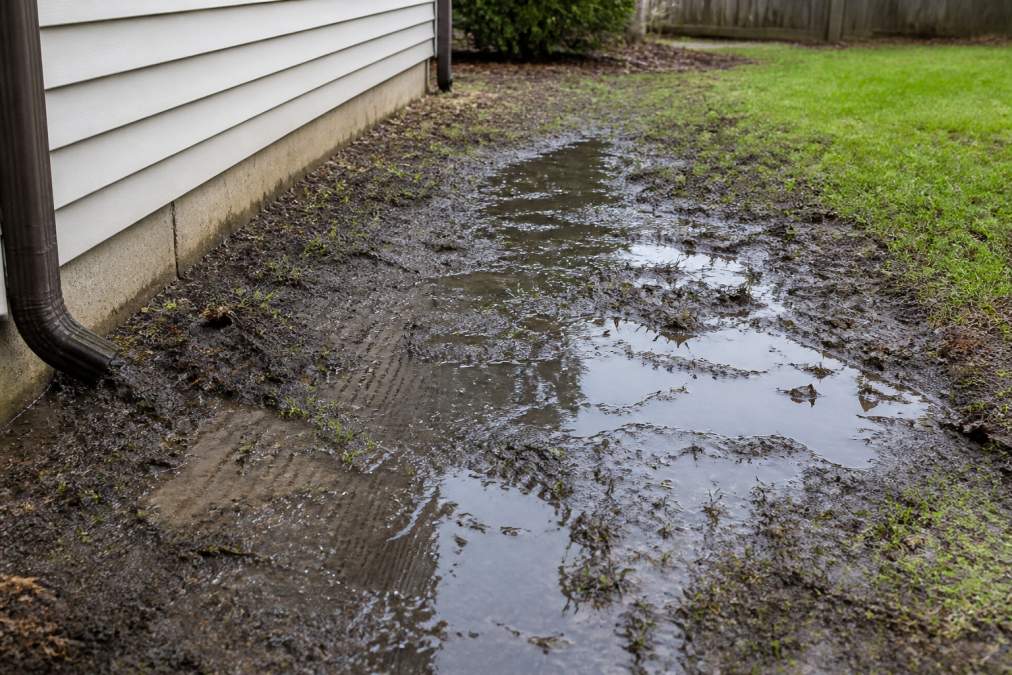
The three most common culprits are soil compaction, low spots in your grading, and subsurface barriers that trap water underground. Each requires a different approach. Treating compaction like a grading problem wastes money and the water returns.
Soil Compaction and Poor Drainage
Soil compaction occurs when soil particles are pressed tightly together, leaving no room for water to infiltrate. This is common in yards with heavy foot traffic, construction equipment, or years of neglect. Compacted soil can't percolate water downward, so it pools on the surface instead.
Test soil compaction yourself: push a metal rod or screwdriver into wet ground. If it stops after a few inches, you likely have compaction. If it slides in easily, compaction isn't your primary issue.
Compacted soil lacks organic matter and structure. Adding compost and aeration can help restore permeability, though severe compaction often requires professional intervention. Addressing compaction early prevents years of recurring drainage problems.
Low Spots and Grading Issues
Low spots are depressions where water naturally collects. These form as soil settles or from incorrect initial grading. Even a subtle slope can create a low spot where water accumulates.
Your yard should slope away from your home at roughly 1 inch of drop for every 4 feet of horizontal distance. If your yard slopes toward your foundation or has flat sections, water will pool.
Identify low spots by walking your yard after rain and marking where water collects. These are your priority zones for regrading or drainage installation.
Hardpan and Subsurface Barriers
Hardpan is a dense layer of soil or clay beneath the surface that water cannot penetrate. It acts like a barrier, forcing water to remain above it. This is common in areas with heavy clay soils or naturally high water tables.
Hardpan is challenging because it's hidden. You can feel its effects: water pools even after heavy rain, the ground stays soggy for days, and surface drainage solutions alone won't work.
Test for hardpan by digging a hole about 12 inches deep in your problem area and filling it with water. If the water drains slowly or not at all, hardpan may be present. Professional soil percolation testing can confirm this. Once hardpan is identified, you'll need subsurface drainage systems like French drains to move water around the barrier.
How to Fix Backyard Muddy Spots with Drainage Systems
Once you've identified the root cause, drainage systems become your primary tool. Surface and subsurface drainage work together to move water away from problem areas.
French Drain Installation
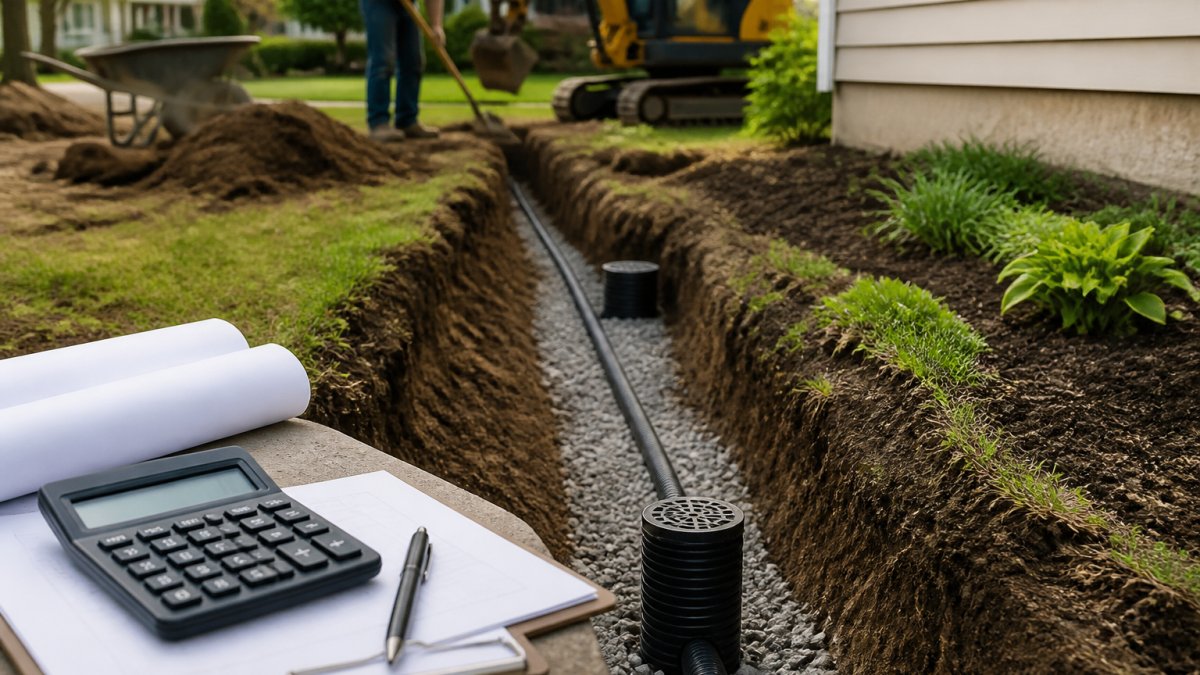
A French drain is a perforated pipe buried in a gravel-filled trench. Water enters the pipe and flows away from the problem area to a lower elevation or catch basin. French drains handle both surface water and subsurface moisture, making them one of the most versatile drainage solutions.
The basic process: dig a trench along the low spot, lay landscape fabric to prevent soil from clogging the pipe, add a gravel base, place the perforated pipe, and cover with more gravel and topsoil. The trench should slope gently downhill, even a 1% slope (1 inch drop per 100 feet) is enough to move water.
French drains work by intercepting water before it pools on the surface. The perforated pipe collects water from surrounding soil and channels it away. They're especially effective for subsurface drainage and hardpan situations.
Success requires proper installation: the pipe must be laid at the correct slope, the gravel base must be adequate, and the discharge point must be lower than the drain itself. Many DIY attempts fail because the slope is too shallow or the outlet is in the wrong location.
Catch Basins and Surface Drainage
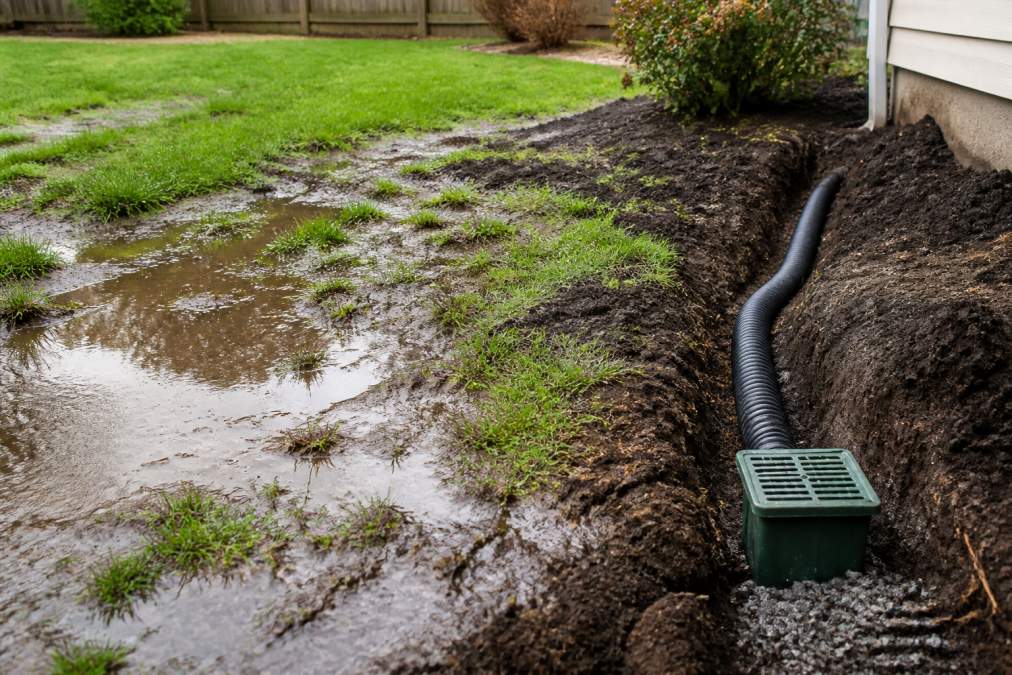
A catch basin is a box installed at ground level that collects surface water and directs it into an underground pipe system. They're ideal for areas where water flows visibly across your yard or where you need to manage runoff from downspouts.
Catch basins work by creating a low point where water naturally flows. A pipe carries the water away to a lower elevation, a rain garden, or a drainage system. They're particularly useful in corners, along pathways, or anywhere water concentrates.
Surface drainage systems are faster to install than French drains because they don't require deep excavation. However, they only address water already pooling on the surface. If your problem is subsurface moisture or hardpan, a catch basin alone won't solve it.
Combine catch basins with other solutions: use a catch basin to manage runoff from gutters and downspouts, while installing a French drain to handle subsurface moisture elsewhere in your yard.
Land Grading for Drainage: Reshape Your Yard
Proper grading is the foundation of any drainage solution. If your yard doesn't slope correctly, water will pool regardless of drainage systems. Regrading fixes the underlying problem instead of just managing the symptom.
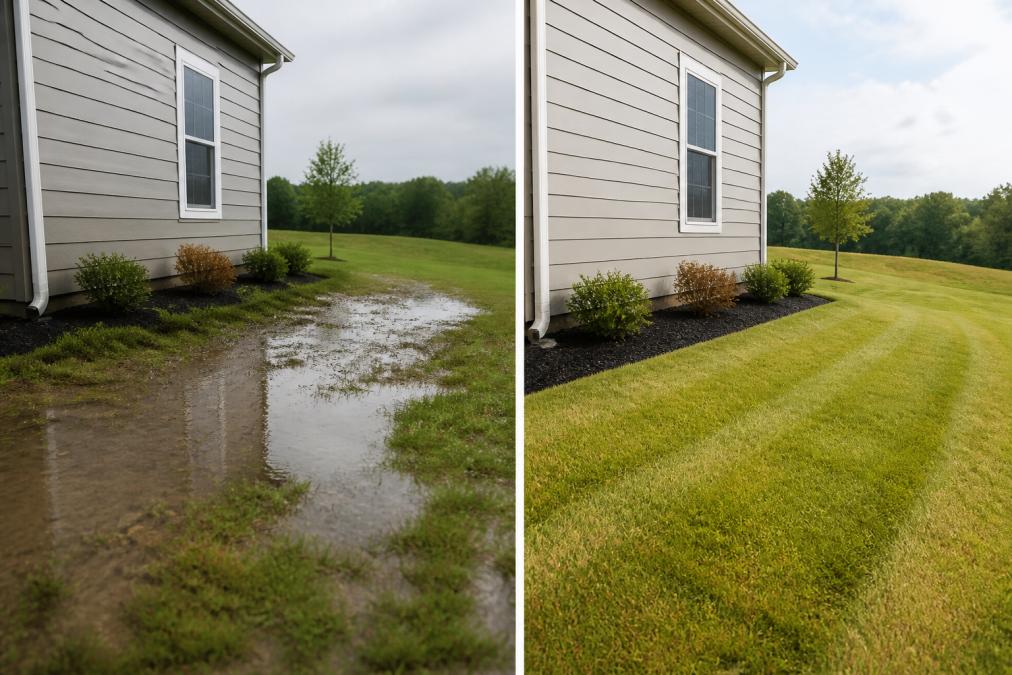
Regrading and Slope Correction
Regrading means reshaping your yard to create proper drainage slopes. This involves moving soil to eliminate low spots and establish a consistent downward slope away from your home, directing all surface water toward a lower elevation or drainage system.
The standard recommendation is a slope of 1 inch per 4 feet for the first 10 feet around your home, then a gentler slope beyond that. This isn't steep enough to look unnatural, but it's enough to keep water moving.
Regrading requires heavy equipment, a grader, excavator, or dozer, to move soil efficiently. Professional help becomes cost-effective here. After regrading, add new topsoil and seed or sod the area. Plan for at least one growing season before the yard fully stabilizes.
Adding Topsoil and Improving Soil Structure
Once you've established proper slope, improve the soil itself. Poor soil structure exacerbates drainage problems. Soil with low organic matter and poor structure compacts easily and resists water infiltration.
Adding quality topsoil and compost improves soil structure dramatically. Organic matter creates pore space, allowing water to percolate and roots to penetrate. Spread 2-4 inches of quality topsoil over the regraded area and work it into existing soil. Add compost or aged organic matter to boost structure further.
Better soil structure means faster water infiltration, which reduces pooling. It also supports healthier grass and plants, which further improve drainage through root activity and organic matter accumulation.
Yard Drainage Solutions: Quick Fixes and Long-Term Options
Some drainage problems need immediate attention. Other solutions are preventive, addressing issues before they develop. A comprehensive approach combines quick fixes with long-term strategies.
Redirect Downspouts and Gutters
Your gutters and downspouts are the first line of defense against standing water. A single downspout can discharge thousands of gallons during heavy rain. If that water lands near your foundation or in a low spot, it creates or worsens pooling.
Extend downspouts at least 4-6 feet away from your home's foundation. Better yet, direct them into a French drain or rain garden. This prevents water from concentrating near your home and moves it to a location where it can drain properly.
Redirecting downspouts is one of the cheapest and most effective drainage improvements. You can install extensions yourself for minimal cost.
Install Rain Gardens and Permeable Pavers
A rain garden is a shallow, planted depression that collects and filters runoff. It's both functional and attractive, solving a drainage problem while enhancing your landscape. Water collects in the garden, infiltrates into the soil, and nourishes the plants.
Rain gardens work by slowing water down and allowing infiltration. Instead of rushing across your yard and pooling in a low spot, water settles in the garden where native plants and amended soil absorb it.
Permeable pavers are hardscape materials that allow water to pass through, unlike concrete or asphalt. Replacing patios, walkways, or driveways with permeable alternatives reduces the volume of water your yard must manage.
Both solutions improve your property while addressing drainage, especially if you're planning landscape improvements anyway.
Dethatch and Aerate Your Lawn
Thatch is a layer of dead grass and organic matter that accumulates between green grass and soil. Excessive thatch blocks water infiltration, trapping moisture on the surface and contributing to pooling.
Dethatching removes this layer, allowing water to reach the soil. Core aeration creates small holes in the soil, improving water penetration and reducing compaction. These maintenance tasks should be done every 1-2 years for most lawns.
Dethatching and aeration won't solve severe drainage problems, but they're essential maintenance that prevents drainage issues from developing.
DIY vs. Professional Drainage Solutions: Cost and Results
Whether to handle drainage yourself or hire a professional depends on the complexity of your problem and your comfort level with heavy equipment and earth-moving work.
When to Handle Drainage Yourself
Simple fixes like extending downspouts, installing rain gardens, and dethatching are well within reach for most homeowners. These require basic tools and can be completed in a weekend or two.
Regrading small areas, installing catch basins, or digging a short French drain are more involved but still possible if you're comfortable with physical labor and have access to equipment rental.
The risk with DIY drainage work is precision. A French drain that's not sloped correctly won't drain. Regrading that's too shallow won't move water away from your home. Before attempting a major drainage project yourself, be honest about your ability to execute it correctly. Consulting a professional for advice before starting is worthwhile if you're uncertain.
When to Hire a Professional
Complex drainage problems, those involving hardpan, extensive regrading, or multiple integrated systems, are best left to professionals. OCAS Residential brings equipment, expertise, and the ability to diagnose problems accurately.
Professional installation comes with accountability. If the work doesn't solve the problem, the contractor is responsible for fixing it. This protection is valuable when investing significant money in drainage improvements.
Many homeowners find that combining DIY and professional work makes sense. Handle simple maintenance tasks yourself; hire a professional for complex work like regrading, French drain installation, or hardpan assessment.
Seasonal Maintenance to Prevent Standing Water
Drainage problems often worsen seasonally. Spring snowmelt and heavy rains create temporary pooling. Fall leaves clog gutters and downspouts. Winter freezing can damage drainage systems. Seasonal maintenance prevents these issues from becoming chronic.
In spring, clear gutters and downspouts of winter debris. Check that water is flowing away from your home. Look for new low spots where water pooled during snowmelt.
Summer is the time to aerate and dethatch if needed. Inspect French drains and catch basins to ensure they're clear and functioning.
Fall requires gutter cleaning as leaves accumulate. Clogged gutters can direct water toward your foundation, creating or worsening drainage problems.
Winter monitoring is about prevention. Ensure drainage systems aren't frozen or blocked by snow and ice. After thaws, look for new pooling areas where water couldn't drain through frozen ground.
Standing water in your yard is fixable. The key is identifying the root cause, whether it's soil compaction, poor grading, or subsurface barriers, and addressing it with the right solution. Quick fixes like redirecting downspouts help immediately. Long-term solutions like regrading and French drains prevent the problem from recurring.
At OCAS Residential, we specialize in comprehensive drainage solutions, from professional land grading and site preparation to complete drainage system installation. Our team can assess your specific situation, identify the root cause, and recommend the most effective fix for your property. Schedule a free estimate today and get your yard draining properly.
Frequently Asked Questions
What causes standing water in a yard?
Standing water results from poor drainage, soil compaction, low spots in your yard, or hardpan layers that block water from percolating into the soil. Heavy rainfall, clogged gutters, and improper grading all contribute. Identifying the specific cause, whether it's surface drainage, subsurface barriers, or slope issues, determines which solution works best for your property.
How long does standing water take to dry after rain?
Well-draining soil typically absorbs water within 24-48 hours after rain. If water remains after 48 hours, you likely have a drainage problem. Poor soil structure, compaction, or hardpan can extend this to days or weeks. Proper grading, aeration, and drainage systems reduce this time significantly.
Can I fix standing water myself, or do I need a professional?
Minor drainage issues, like redirecting downspouts or adding topsoil to low spots, are DIY-friendly. However, French drains, regrading large areas, or addressing hardpan require professional equipment and expertise. If standing water persists after simple fixes, professional land grading and drainage solutions deliver lasting results. OCAS Residential offers free estimates to assess your specific situation.
What are the health risks of standing water in my yard?
Standing water creates breeding grounds for mosquitoes, attracts pests, and promotes mold and mildew growth. Stagnant water can damage your lawn, kill plants, and weaken soil structure. Over time, it can cause foundation issues and erosion. Addressing standing water protects your family's health and your property's structural integrity.
This article was written using GrandRanker