 how-to
What Is the Purpose of Land Grading: A Homeowner's Guide
Table of Contents
- Understanding the Purpose of Land Grading
- How Yard Grading for Drainage Protects Your Foundation
- Signs a Yard Needs Grading and When to Act
- Land Grading vs. Leveling: What's the Difference
- Key Purposes of Grading: Erosion Control and Soil Stability
- Land Grading Cost and Factors That Affect Your Estimate
- Professional Grading for New Construction and Site Preparation
- Conclusion
- Frequently Asked Questions
Last Updated: October 15, 2026
Understanding the Purpose of Land Grading
The purpose of land grading is to reshape your property's surface so water drains properly, soil stays stable, and your land is ready for building or landscaping.
Land grading moves soil to create slopes and contours that direct water away from structures.
Standing water causes foundation cracks, basement flooding, and soil erosion. Proper grading prevents these expensive problems before they start.
The main purposes of land grading include:
- Directing rainwater and surface runoff away from your foundation
- Preventing erosion and soil loss on slopes
- Improving soil stability and compaction for construction
- Creating a level surface for landscaping and new plantings
- Preparing building sites for new construction
How Yard Grading for Drainage Protects Your Foundation
Proper yard grading for drainage is your first line of defense against water damage.
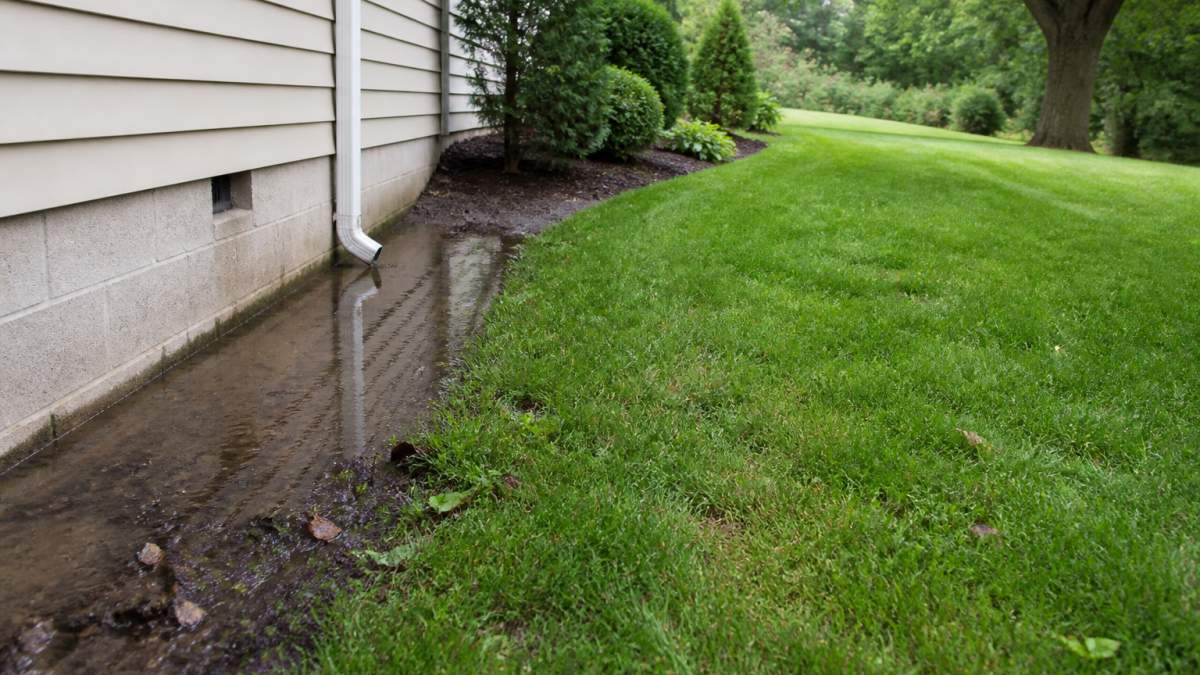
Correct grading slopes the ground away from your home at a consistent angle, directing rainwater toward storm drains, swales, or lower areas instead of your foundation.
Here's what happens with poor drainage:
- Water collects in low spots near your foundation
- Soil becomes saturated and loses structural strength
- Hydrostatic pressure builds inside basement walls
- Cracks develop in concrete and mortar joints
- Mold and moisture damage follow
Proper grading eliminates these risks: water moves away within hours of rainfall instead of sitting for days, keeping your foundation dry and basement safe.
The slope doesn't need to be dramatic, a 4-6 inch drop over 10 feet is often enough.
Signs a Yard Needs Grading and When to Act
Several signs indicate your property needs grading work now.
Look for these warning signals:
- Water pooling in the same spots after every rain
- Soggy patches that stay wet for days
- Visible erosion gullies or wash patterns
- Cracks in your foundation or basement walls
- Musty smells in your basement or crawlspace
Spring and early summer are ideal for grading: the ground is workable, and you can see how water behaves during the next heavy rainfall.
Don't wait if you see foundation cracks or water seeping into your basement. These indicate active drainage failure. Every rainstorm makes the problem worse.
New construction is the perfect time for grading. OCAS Residential grades building sites during initial site preparation.
Land Grading vs. Leveling: What's the Difference
Many homeowners confuse land grading vs. leveling, but they serve different purposes.
Grading creates intentional slopes and contours to direct water, prevent erosion, and prepare for landscaping or construction.
Here's the practical difference:
| Purpose | Leveling | Grading |
|---|---|---|
| Goal | Create flat surface | Direct water and shape terrain |
| Slope | Minimal to none | 2-4% minimum away from structures |
| Best for | Patios, driveways, decks | Drainage, erosion control, site prep |
| Water flow | Not a priority | Primary concern |
| Landscaping | Limits plant placement | Works with natural slopes |
Most residential properties need both, leveling a patio area while grading the surrounding yard to direct water away from your foundation.
OCAS Residential combines both techniques, leveling areas that need flat ground and grading surrounding terrain for drainage.
Key Purposes of Grading: Erosion Control and Soil Stability
Erosion is silent but destructive: unchecked water removes topsoil, exposes tree roots, and destabilizes slopes. Proper land grading prevents it, but only if slope, soil, and compaction are right.
Measuring slope so it actually drains
The rule of thumb is a minimum 2% slope away from a structure, about 2 inches of drop per 100 inches of horizontal run. Many practitioners target 2-4% for the first 6-10 feet around a foundation, then transition to a gentler grade or swale.
You can check this yourself with a few common tools:
- A 4-foot level and a ruler. Set the level on the ground pointing away from the house. Measure the gap under the downhill end. A 1-inch gap over 4 feet is roughly a 2% slope.
- A string level. Stretch a string between two stakes at the same height, then measure the drop from the string to the ground at each end.
- A laser level or rotary laser. The most accurate option for larger yards and the tool most contractors use for verification.
- A smartphone level app. Useful for a quick read, but calibrate it against a physical level before trusting it.
Aim for a consistent slope, not a single steep spot. Water follows the path of least resistance, so a low corner or dip near the foundation collects water even if the average grade looks fine.
Soil type, testing, and compaction
Soil behavior drives both drainage and long-term stability.
- Clay holds water, expands when wet, and shrinks when dry. It needs a steeper grade and careful compaction to shed water.
- Sand drains fast but erodes easily and doesn't hold a slope well without vegetation or stabilization.
- Silt sits between the two and is highly erodible when bare.
- Loam is the friendliest for landscaping but still needs proper grade and compaction.
A simple jar test (soil in a clear jar with water, shaken and left to settle) gives a rough sand/silt/clay ratio. For anything structural, a professional soil test or geotechnical report is worth the cost.
Compaction matters as much as slope. Loose fill settles over time, cracking driveways and shifting foundations. Proper grading compacts fill in lifts, typically 6-8 inches at a time, using a plate compactor or vibratory roller between lifts, with moisture managed to reach the density specified in plans or building code.
Post-grading settlement and inspection
Even a well-graded yard can settle in the first year, especially where fill was placed. Build a simple inspection habit:
- After the first heavy rain, walk the property and note where water pools, where it flows, and whether it reaches the intended outlet (swale, storm drain, or lower area).
- Check the foundation line. Water should move away within hours, not sit for days.
- Look for new gullies or wash patterns on slopes, these signal that flow is concentrating.
- Watch for settlement near the foundation, along swales, and around buried drainage features. A dip that wasn't there before means fill is consolidating.
- Keep swales and french drains clear of leaves, sediment, and debris. A clogged swale is worse than no swale because it hides the problem until water backs up.
OCAS Residential grades with verified slopes, proper compaction, and drainage features designed for your soil.
Land Grading Cost and Factors That Affect Your Estimate
Land grading cost is the hardest question to answer without seeing the property. Here's a transparent framework to sanity-check any quote you receive.
A practical cost framework
Grading is priced by the cubic yard of soil moved, the equipment hours required, and the finish work needed afterward. A rough way to think about it:
- Small drainage fix around a foundation (a few hundred square feet, minor regrading, no fill import): typically a few hundred to a few thousand dollars.
- Single-yard regrading (roughly 5,000-10,000 sq ft, moderate slope correction, some fill): commonly in the low-to-mid four figures, with drainage features like a swale or french drain adding to the total.
- Full-property regrading or new-construction site prep (larger acreage, cut-and-fill, compaction to spec, utility coordination): often five figures and up, driven mostly by soil volume and hauling distance.
These ranges are broad on purpose, the only honest way to price grading is after a site walk. Treat any phone quote without a visit as a placeholder, not a bid.
The factors that actually move the number
- Volume of soil moved. This is the single biggest driver. Cut-and-fill projects where soil stays on site cost far less than projects requiring import or haul-off.
- Property size and slope. Steep terrain needs more passes, more compaction, and sometimes terracing.
- Soil type. Heavy clay is slow to excavate and slow to compact. Rocky soil may require a breaker or rock saw. Sandy soil moves fast but needs careful compaction.
- Equipment access. A backyard reachable only through a narrow gate may need a mini-excavator or hand work, which raises labor hours.
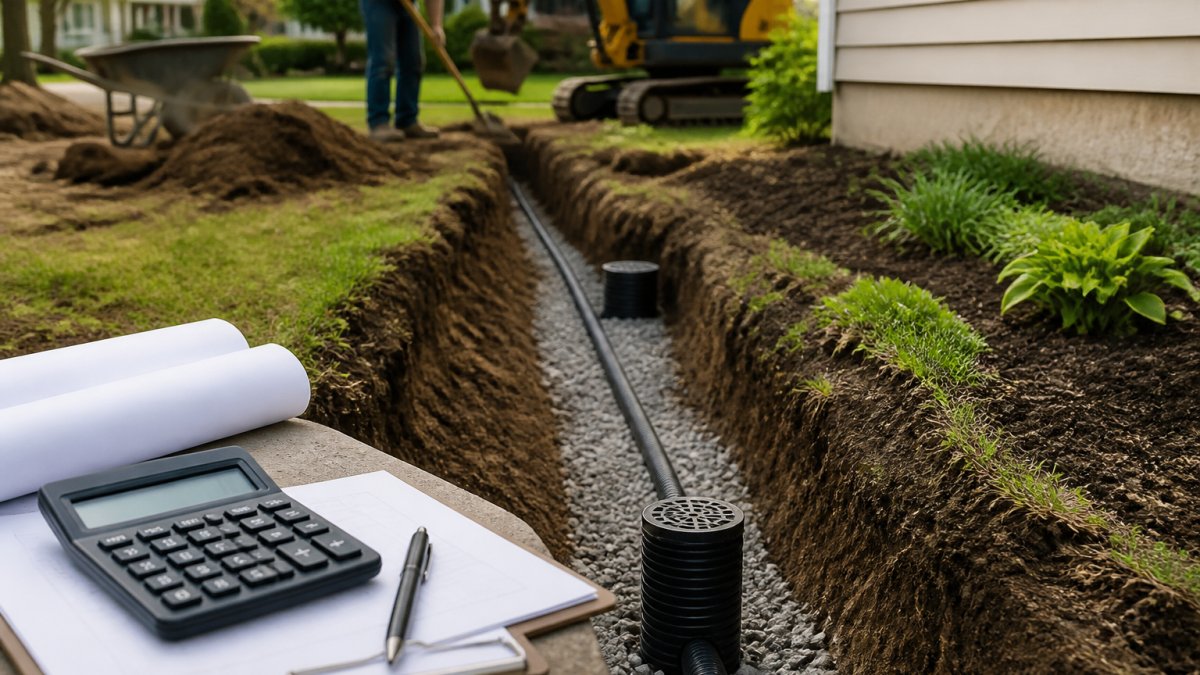
- Drainage design. A simple slope-away-from-foundation grade is cheap. Swales, french drains, dry wells, and buried downspout extensions add material and labor.
How to compare quotes fairly
Ask each contractor to break the bid into these line items: mobilization, clearing, excavation, fill (with source and volume), compaction, drainage features, finish grading, and revegetation. A quote that lumps everything into one number is impossible to compare and easy to inflate.
Also ask:
- Is the price based on a fixed scope or an hourly rate with a not-to-exceed cap?
- Who pulls the permit, and is that cost included?
- What happens if unexpected rock or buried debris is found?
- Is topsoil stockpiled and reused, or imported?
- What's the warranty on drainage performance after the first heavy rain?
Where the money actually goes
Labor and equipment time dominate most grading budgets; material is usually the smaller share unless you're importing significant volume. That's why access and soil conditions matter more than raw square footage, a small, tight, clay-heavy yard can cost more than a larger, open, sandy one.
OCAS Residential provides free on-site estimates and walks you through each line item so you understand what you're paying for.
Professional Grading for New Construction and Site Preparation
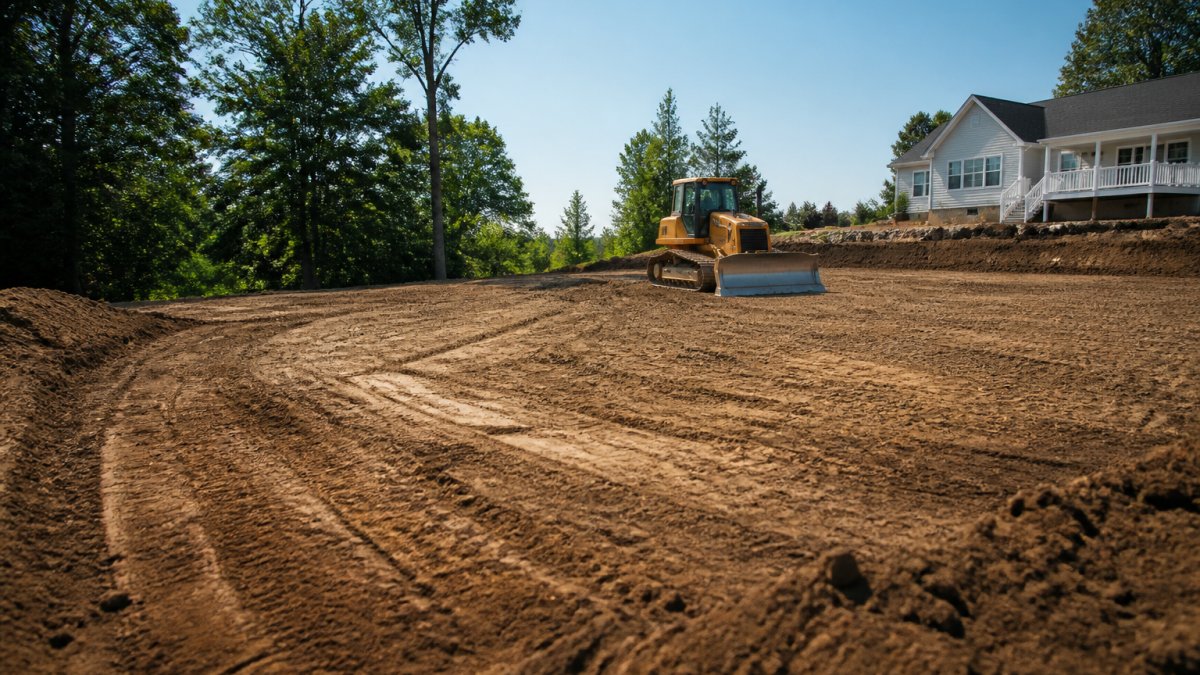
New construction demands precision. The site must be graded to exact elevations and slopes before foundation work begins.
Professional site grading for new construction includes:
- Clearing and removing vegetation and debris
- Excavating to proper building elevation
- Creating drainage swales and directing water flow
- Compacting soil in layers to proper density
- Grading for foundation drainage around the perimeter
- Final grading to support landscaping and hardscaping
OCAS Residential handles complete site preparation, grading your building site to specifications, and managing debris hauling to leave the site clean and ready for building.
Precision matters: slopes must be consistent, elevations must match plans, and compaction must meet building codes. Professional equipment and experience ensure it's done correctly.
After construction, we return for final grading, restoring the landscape, repairing disturbed areas, and establishing proper drainage around your finished home.
Conclusion
The purpose of land grading is to protect your property by directing water away from structures, preventing erosion, and creating stable ground for building and landscaping.
OCAS Residential specializes in precision grading for residential properties. We assess your drainage needs, design effective solutions, and execute the work with professional equipment and expertise. Schedule a free estimate today to see how we can solve your grading challenges.
Frequently Asked Questions
What is the purpose of land grading?
Land grading reshapes and levels ground to direct water away from structures, prevent erosion, stabilize soil, and prepare sites for construction or landscaping. Proper grading creates a stable foundation for buildings and prevents standing water that can damage foundations, create drainage problems, and promote soil erosion. It's essential for protecting your property investment and ensuring long-term stability.
How does land grading help with drainage?
Grading establishes proper slope and contouring so rainwater and surface runoff flow away from your foundation and structures instead of pooling near them. By directing water toward natural drainage areas or drainage systems, grading prevents standing water that can seep into basements, damage foundations, and create muddy spots in your yard. Correct slope typically ranges from 1-2% grade away from structures.
What's the difference between land grading and leveling?
Leveling creates a flat, even surface across your property, while grading reshapes the ground with intentional slopes and contours to manage water flow and improve stability. Land grading involves creating slope away from structures and directing drainage, whereas leveling simply removes high spots and fills low areas. Most residential properties need grading (with proper slope) rather than pure leveling.
How do I know if my yard needs grading?
Signs your yard needs grading include standing water after rain, muddy or soggy areas, water pooling near your foundation, visible erosion or gullies, uneven settling, cracks in your foundation, or water entering your basement. If water doesn't drain naturally within a few hours of rain or if you notice soil erosion on slopes, professional assessment is recommended to determine if grading will solve the issue.