 ultimate-guide
Grading and Site Preparation Cost: 2026 Guide
Table of Contents
- What Grading and Site Preparation Cost Involves
- Average Cost Per Square Foot and Acreage Factors
- Land Clearing Cost Per Acre and Vegetation Removal
- Grading Contractor Hourly Rate and Pricing Models
- How to Fix Backyard Muddy Spots Through Proper Grading
- Hidden Costs and Budget Overrun Prevention
- Getting an Accurate Estimate for Your Property
- Frequently Asked Questions
Last Updated: September 19, 2026
What Grading and Site Preparation Cost Involves
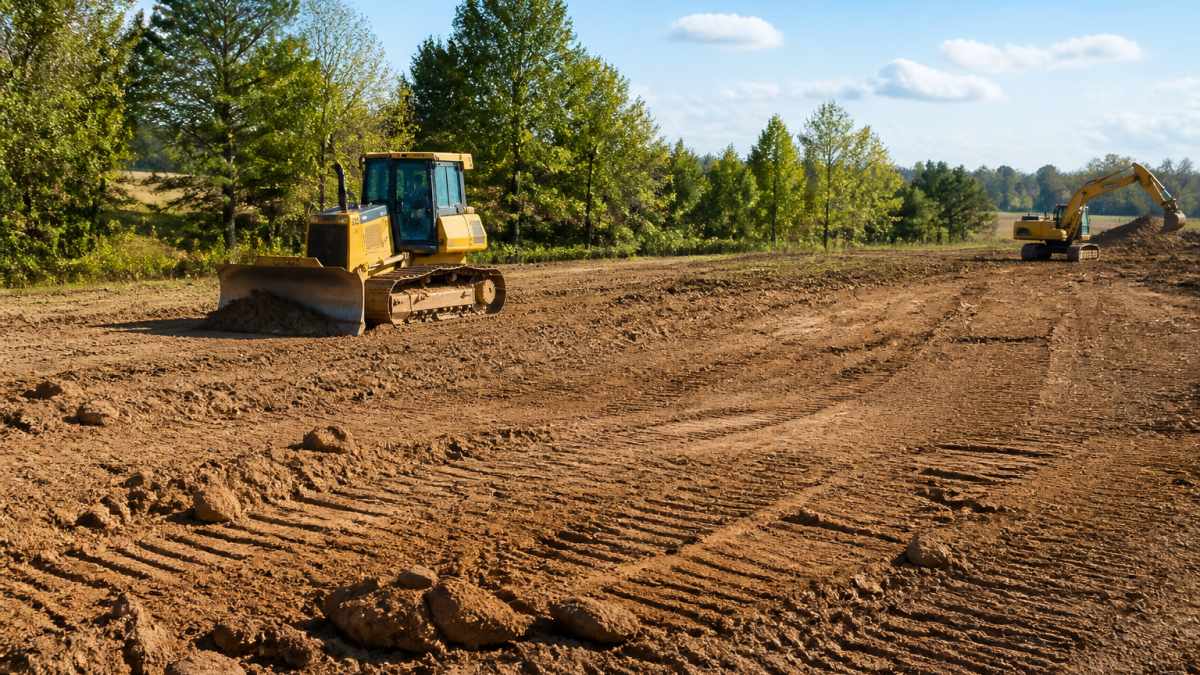
Grading and site preparation cost encompasses the work required to ready a property for construction, landscaping, or drainage improvements. This process involves multiple stages: surveying the land, removing vegetation and debris, excavating soil, establishing proper drainage, and compacting the subgrade to support future structures or landscaping.
The scope varies dramatically depending on your property's current condition. A small residential lot needing minor grading to fix drainage differs entirely from raw land requiring extensive clearing and utility trenching. Understanding what's actually involved helps you budget accurately and avoid the common mistake of underestimating complexity.
According to the U.S. Environmental Protection Agency's guidance on site preparation and stormwater management, proper grading protects both your property and surrounding areas from erosion and water damage. At OCAS Residential, we handle grading and site preparation cost assessments by evaluating your specific property conditions before providing estimates.
Average Cost Per Square Foot and Acreage Factors
Grading and site preparation cost varies for residential properties, with the baseline shifting dramatically based on soil composition, regional labor rates, and site complexity.
The relationship between acreage and total cost is nonlinear because fixed costs, permits, equipment mobilization, site surveying, and contractor overhead, apply regardless of property size. A two-acre property does not cost twice as much as one acre. However, economies of scale do apply: a 10,000-square-foot lot might cost $5,000-$15,000 total, while a 40,000-square-foot property (roughly one acre) might cost $20,000-$60,000, not $20,000-$60,000 per quarter-acre multiplied by four.
Regional cost variance by soil type and climate:
- Clay-dominant soils (common in the Southeast and Midwest): $1.50-$3.00 per square foot. Clay requires additional compaction work, moisture management, and sometimes soil amendment or removal. High water retention means drainage systems must be more robust.
- Sandy or loamy soils (common in coastal and Western regions): $0.75-$1.50 per square foot. These soils drain naturally and compact more easily, reducing labor and equipment time.
- Rocky or ledge-heavy soils (common in the Northeast): $2.00-$4.00+ per square foot. Blasting, specialized excavation equipment, and rock removal add significant cost. Some contractors charge hourly ($75-$150 per hour for specialized rock work) rather than per-square-foot pricing.
- High-water-table areas (coastal plains, wetland-adjacent properties): $2.00-$3.50 per square foot. Dewatering equipment, specialized drainage design, and potential environmental permits increase scope and cost.
Acreage pricing patterns:
For properties under 0.5 acres, expect per-square-foot costs at the higher end of the range because fixed costs dominate. For 0.5-2 acres, costs often settle into the mid-range. For properties larger than 2 acres, per-square-foot costs may drop slightly as equipment mobilization is amortized across more area, but site complexity (multiple drainage zones, varied topography) often negates savings.
Property size alone does not determine your final bill. A quarter-acre lot with poor drainage, clay soil, and dense vegetation often costs more to prepare than a half-acre relatively flat property with sandy soil and minimal clearing needs. Site complexity, driven by soil type, existing topography, and vegetation, remains your primary cost driver.
Land Clearing Cost Per Acre and Vegetation Removal
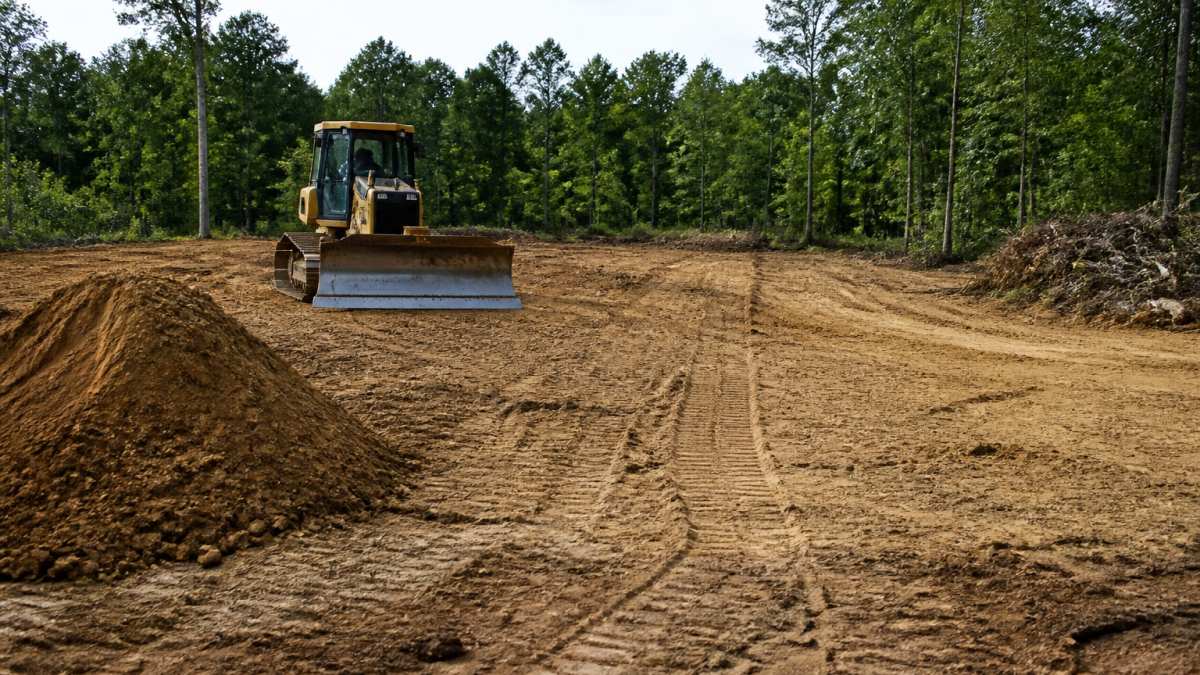
Land clearing represents a substantial portion of overall site preparation costs. The expense of vegetation removal depends on density, tree size, and what you want done with the debris. Removing small shrubs and brush differs dramatically from clearing mature hardwood trees or dense forest.
Professional land clearing typically involves cutting vegetation, grinding stumps, and hauling debris. Some properties benefit from selective clearing (removing only what's necessary) while others need complete land clearing. Dense vegetation on sloped terrain costs more because equipment access becomes limited and the work becomes more labor-intensive.
Vegetation removal also affects your drainage outcomes. Removing dense brush opens the property to proper water flow, while leaving vegetation in place can trap water and create muddy spots. The relationship between clearing and grading is direct: you can't achieve proper drainage without clearing obstacles first.
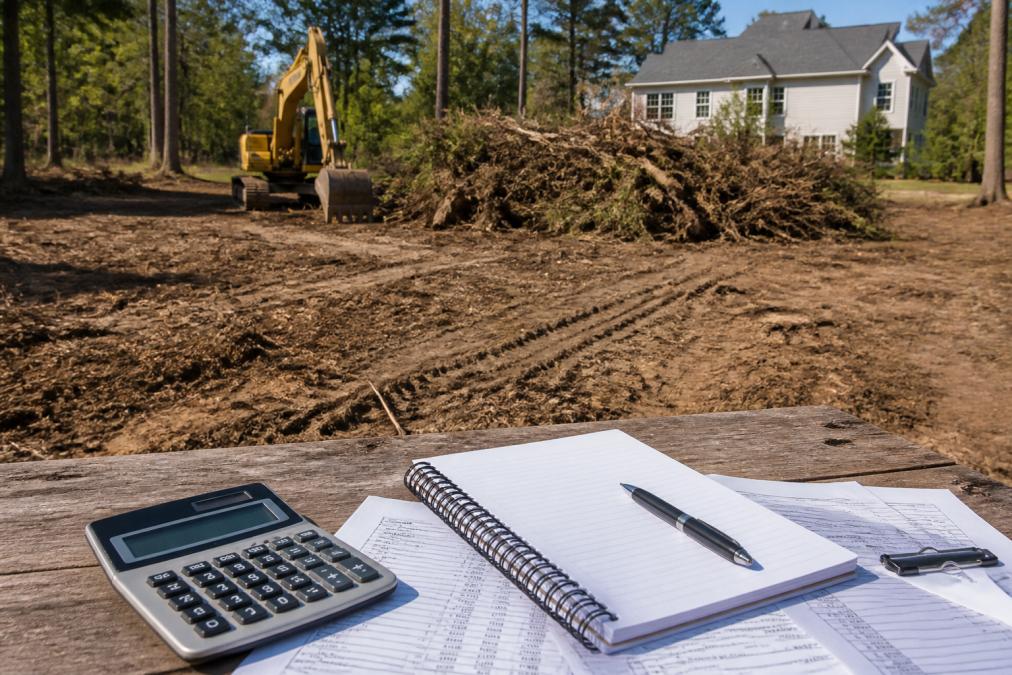
Your land clearing cost per acre varies with what's actually growing on the property. A cleared lot with scattered small trees costs far less than an acre of dense brush mixed with mature oaks. Get a site survey before assuming standard pricing applies to your property.
Grading Contractor Hourly Rate and Pricing Models
Grading contractors typically work using two pricing approaches: hourly rates or fixed-price estimates. Hourly rates range widely based on equipment required, crew size, and local market conditions. Fixed-price estimates, based on a detailed site survey, provide budget certainty but require contractors to accurately assess scope upfront.
Most professional grading contractors prefer fixed-price bids for residential properties because hourly work creates uncertainty for homeowners. A fixed-price estimate means the contractor absorbs risk if the job takes longer than expected, which incentivizes efficiency but also requires accurate initial assessment.
The grading contractor hourly rate model works best for smaller jobs where scope is clearly defined and unlikely to change.
How to Fix Backyard Muddy Spots Through Proper Grading
Standing water and muddy spots indicate drainage failure. Fixing this requires understanding why water pools in your yard, then implementing grading that directs water away from problem areas. The solution always involves slope, proper drainage channels, and sometimes subsurface solutions like French drains or swales.
Hidden Costs and Budget Overrun Prevention
The biggest grading and site preparation cost surprises come from factors discovered during the project or from regulatory requirements that weren't anticipated. Buried debris, unexpected rock formations, utility lines, poor soil conditions, and environmental mitigation requirements can increase costs by 20-50% beyond initial estimates. Understanding these hidden costs before work begins is the difference between a smooth project and a budget crisis.
Environmental mitigation and regulatory costs:
- Erosion control and silt fencing: $500-$3,000+ depending on property size and local requirements. Silt fencing must be installed before grading begins and maintained throughout the project. Properties within 100 feet of wetlands, streams, or sensitive areas often require temporary sediment basins or erosion control blankets ($1.50-$4.00 per linear foot for silt fence installation).
- Stormwater management permits and plans: $300-$1,500. Many jurisdictions require a stormwater pollution prevention plan (SWPPP) before grading begins, especially if the disturbed area exceeds 1 acre (the EPA). This plan must be prepared by a qualified professional and submitted to the local environmental or public works department.
- Wetland or stream buffer compliance: $1,000-$10,000+. If your property is within a regulated wetland buffer zone (typically 25-100 feet depending on state), grading scope is severely restricted. Some work may be prohibited entirely, or specialized techniques and monitoring may be required.
- Dust and sediment control during work: $200-$1,000. Dust suppression (water trucks or tackifiers) and sediment tracking prevention (construction entrance stabilization) are often required by local air quality or stormwater regulations.
Subsurface and soil-related hidden costs:
- Geotechnical report: $800-$2,500 for a residential property. This report identifies soil bearing capacity, compaction requirements, and any stabilization needs.
- Poor soil remediation: $1.00-$5.00+ per square foot. If testing reveals expansive clay, low-bearing-capacity soil, or contamination, the contractor may need to remove and replace soil, add stabilization layers, or use specialized compaction methods.
- High water table management: $1,500-$5,000+. Properties with high groundwater require dewatering during grading, which involves temporary pumping systems and proper discharge management.
Utility and access-related hidden costs:
- Utility line location and protection: $300-$1,500. Calling 811 (the national utility locating service) is free, but if utilities are discovered during work and must be protected or rerouted, costs escalate quickly. Rerouting a gas line or electrical service can cost $2,000-$10,000+.
- Limited site access and equipment constraints: 15-30% cost premium. Properties with narrow driveways, overhead power lines, or limited equipment access require smaller machinery or hand labor, which increases hourly costs and project duration.
Permit and inspection fees:
- Grading or earthwork permit: $100-$500 depending on jurisdiction and project scope.
- Stormwater discharge permit: $200-$800 if the property drains to a municipal system.
- Erosion control inspection fees: $100-$300 per inspection (some jurisdictions require multiple inspections during the project).
Post-preparation maintenance and delays:
Getting an Accurate Estimate for Your Property
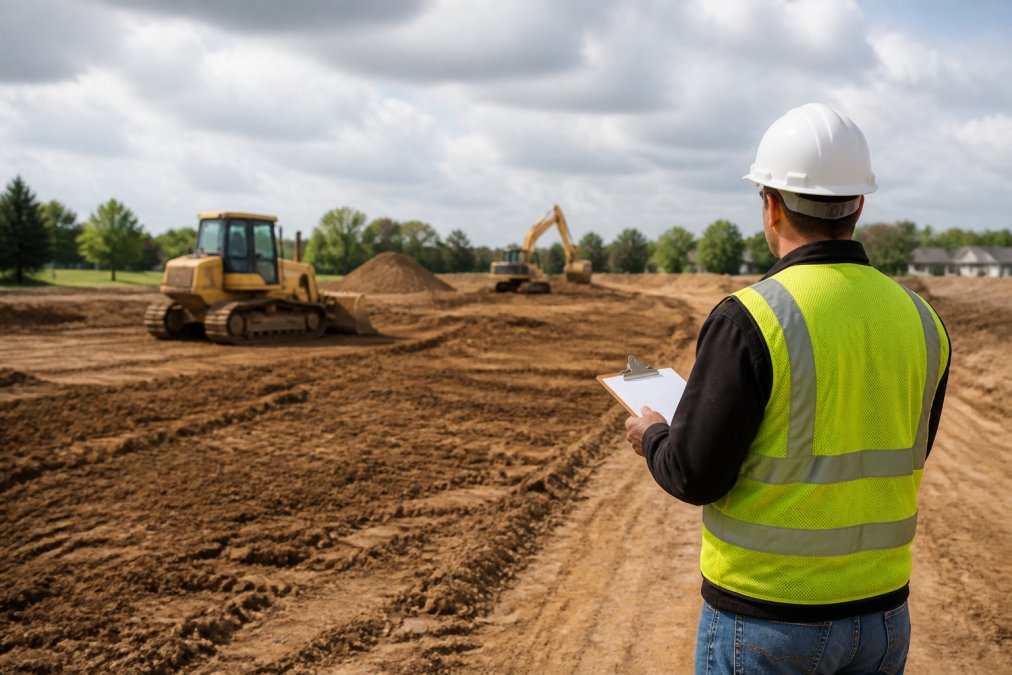
An accurate estimate requires a professional site evaluation. Contractors who provide quotes without visiting your property are guessing, and guesses frequently underestimate complexity. A thorough assessment includes evaluating current topography, drainage patterns, soil conditions, vegetation density, and site access.
Frequently Asked Questions
How much does grading and site preparation cost for a typical residential property?
Grading and site preparation cost depends on property size, topography, soil conditions, and scope of work. Costs vary based on whether you need land clearing, excavation, drainage installation, or foundation pad preparation. Contact OCAS Residential for a free estimate tailored to your specific property and project requirements.
What factors most influence grading contractor hourly rate and total project cost?
Site complexity, equipment requirements, soil type, accessibility, and project duration drive grading contractor hourly rate pricing. Properties with poor drainage, dense vegetation, or challenging topography typically cost more. Soil testing and geotechnical reports may add expenses but prevent costly mistakes during construction. Fixed-price estimates often provide better budget certainty than hourly rates for defined scope.
How much does land clearing cost per acre, and is it included in site preparation?
Land clearing cost per acre varies widely based on vegetation density, tree size, and debris removal requirements. Some site preparation packages include basic clearing, while others charge separately. Dense wooded properties cost significantly more than lightly vegetated lots. OCAS Residential can assess your property and provide a detailed breakdown of what's included versus additional charges.
Can proper grading really fix standing water and muddy spots in my yard?
Yes. Proper grading creates slope and drainage paths that redirect water away from problem areas. Solutions include regrading to establish positive drainage, installing swales or retention ponds, and compacting soil to prevent water pooling. Success depends on addressing the root cause, whether it's poor slope, compacted soil, or inadequate drainage systems. A site survey helps determine the best approach for your specific drainage issue.