 blog
Alternatives to French Drains for Backyard
Table of Contents
- Why Homeowners Look Beyond French Drains
- Yard Grading for Drainage: The Foundation of Water Management
- Landscape Swale Drainage Systems
- Catch Basin Drainage Systems for Concentrated Water
- Dry Well for Yard Drainage Installation
- Rain Gardens and Landscape-Based Solutions
- Choosing the Right Alternative for Your Backyard
- Conclusion
- Frequently Asked Questions
Last Updated: October 13, 2026
Why Homeowners Look Beyond French Drains
French drains have long been the go-to fix for water pooling and yard flooding, but they're not always the best fit. Homeowners often discover that alternatives to french drains can deliver better results, depending on soil type, property size, budget, and water source.
French drains require proper slope, adequate soil infiltration, and a clear discharge point. Without those, the system underperforms or fails entirely.
Standing water and yard flooding stem from different sources: surface pooling behaves differently from subsurface seepage.
Yard Grading for Drainage: The Foundation of Water Management
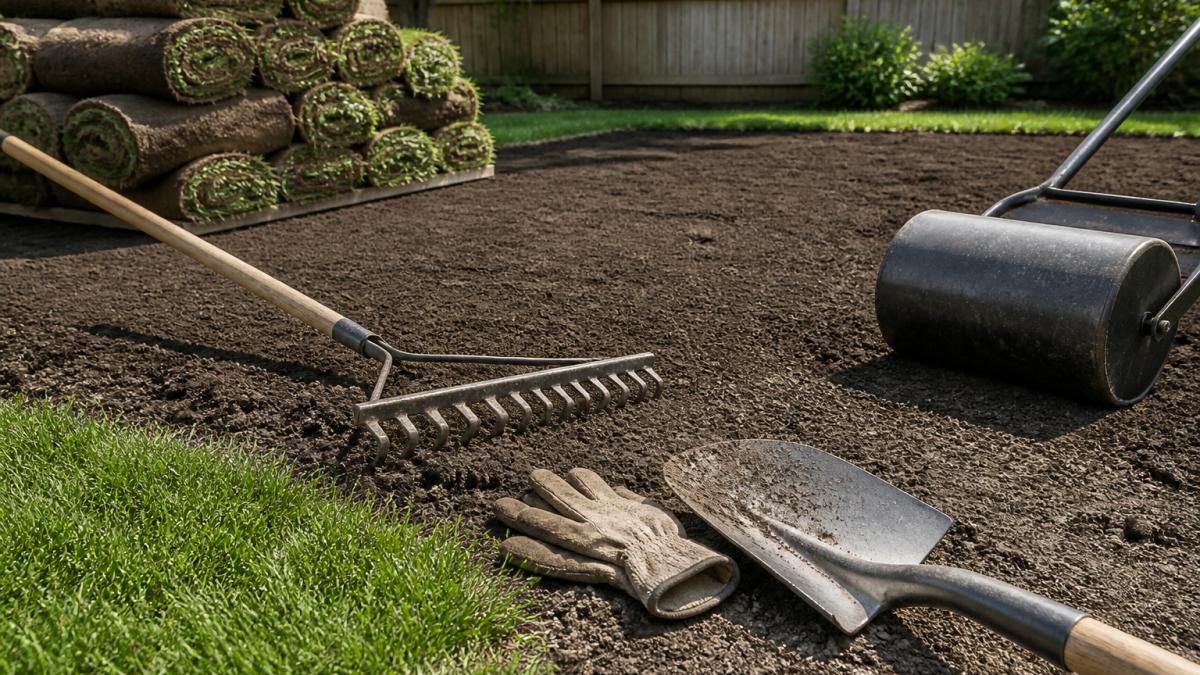
Yard grading is the practice of reshaping your landscape to direct water away from structures and low-lying areas. It's the simplest, often most cost-effective alternative to complex drainage systems, and it improves every other system you install.
The slope numbers that actually matter
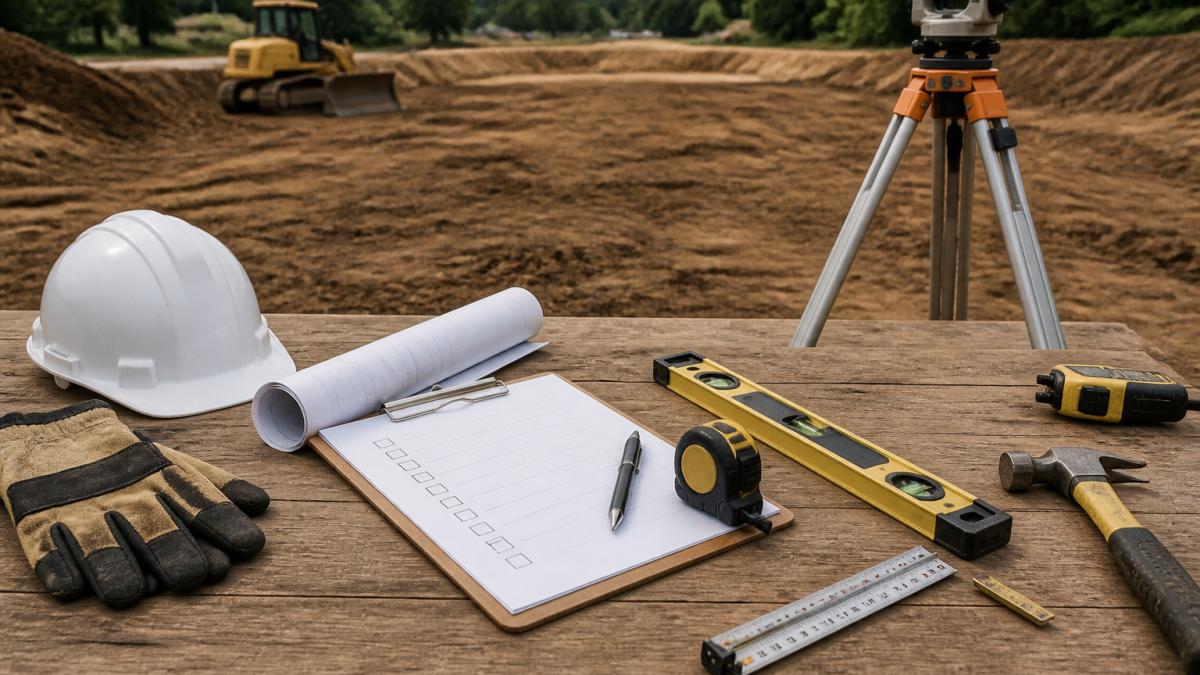
Most building codes call for the ground to fall at least 6 inches within the first 10 feet from a foundation, then continue at roughly 2%, about 2 feet per 100 feet. Less than that, and water stalls, ponds, and eventually reaches basements and crawl spaces.
Two common mistakes:
- Over-grading. Too much fall in a small yard creates erosion channels, exposes roots, and can send water onto a neighbor's property faster than their yard can handle, a liability issue, not just an aesthetic one.
- Grading toward the house. This happens constantly when homeowners add raised beds, patios, or new sod without checking the finished grade. Always verify the final surface slopes away from the foundation.
When grading alone is not enough
Grading solves surface water problems on yards with enough horizontal distance and a viable discharge point. It does not solve:
- Groundwater or a high water table. Reshaping the surface won't stop water rising underneath.
- Water arriving from an uphill neighbor or slope. You can redirect what lands on your property, but you can't regrade someone else's yard.
- Large volumes during intense storms. A 2% slope moves water slowly, in a cloudburst, that may not prevent temporary pooling.
In those cases, grading becomes a supporting measure rather than the primary solution. It's still worth doing, a properly graded yard makes swales, rain gardens, and catch basins work better, but it shouldn't be the only tool.
Cost and effort
Regrading is usually the least expensive alternative per square foot, but the total depends on how much earth moves, equipment access, and whether new sod or plantings are needed. Small hand-graded adjustments are often a weekend project; full-yard regrading is a contractor job. Get local quotes rather than national averages.
Permits, easements, and property lines
Grading that changes where water leaves your property can trigger local stormwater rules. Before you move dirt:
- Check whether your jurisdiction requires a grading or drainage permit for the volume of earth you plan to move.
- Confirm you're not altering the grade inside a drainage or utility easement, which typically requires approval from the easement holder.
- Make sure the finished grade doesn't push concentrated flow across a property line, many municipalities prohibit this, and it's a fast route to a neighbor dispute.
How grading pairs with other alternatives
The best drainage plans treat grading as the base layer. A swale only conveys water if the surrounding grade feeds into it; a rain garden only fills if the yard slopes toward it; a catch basin only captures water if it sits at the true low point. Grading isn't just an alternative to a French drain, it's the foundation that makes every other alternative work.
Landscape Swale Drainage Systems
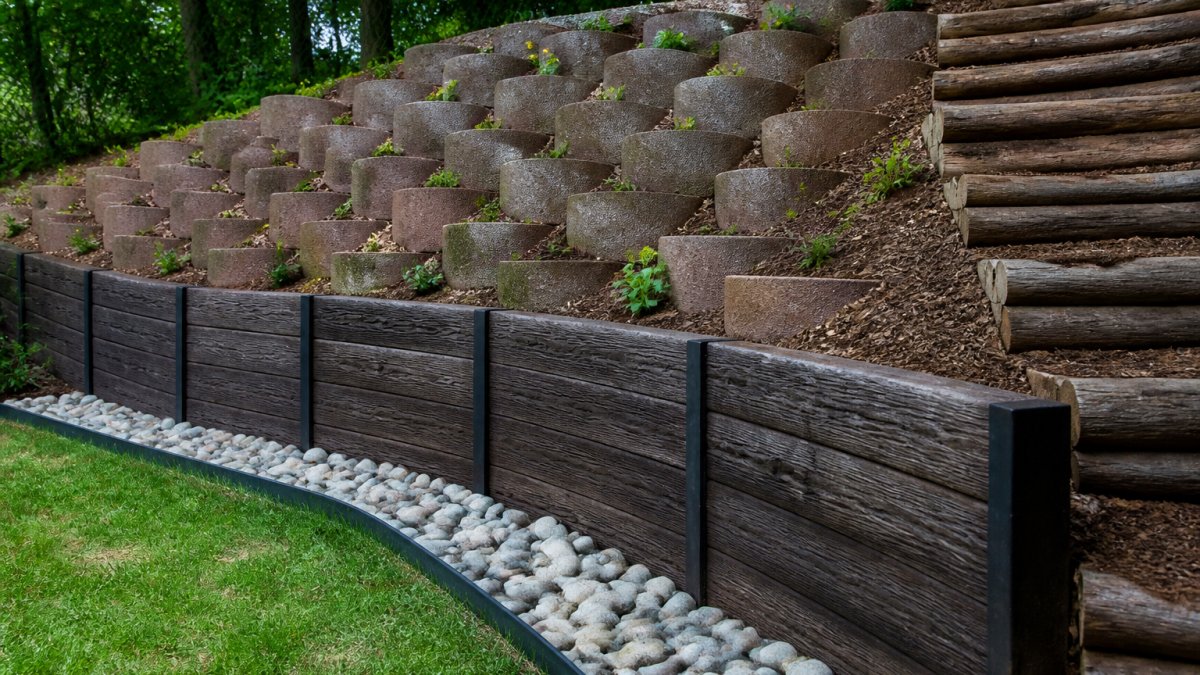
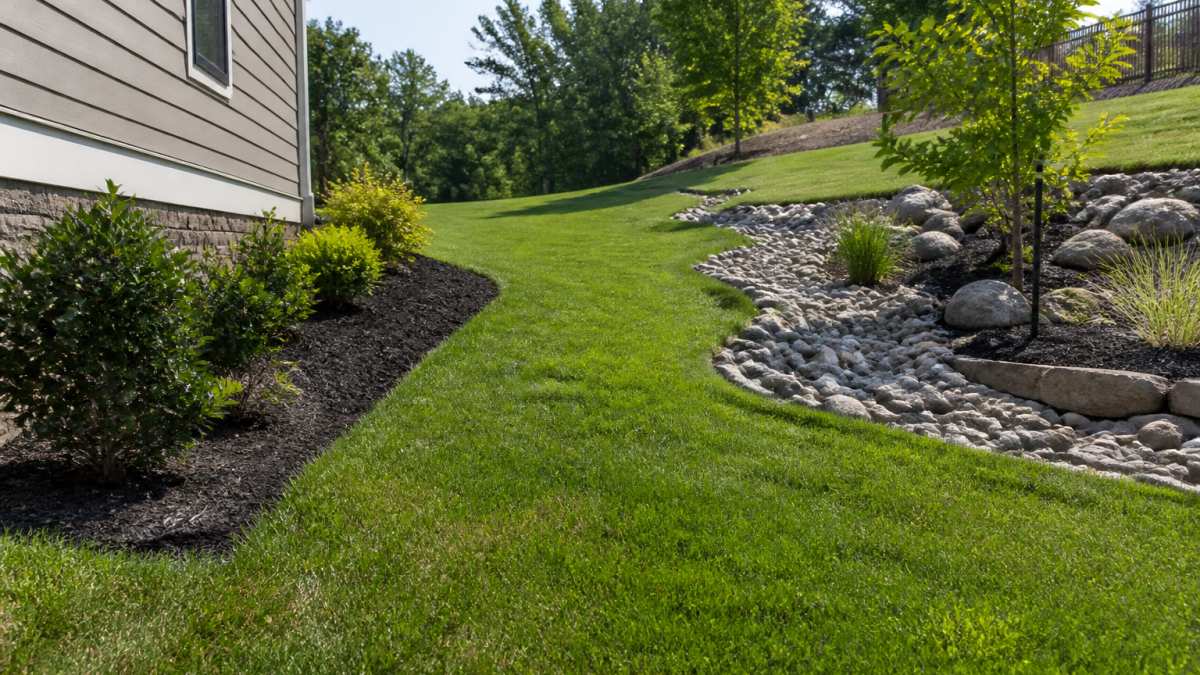
Swales excel at managing surface water from roofs, patios, and sloped terrain, especially after heavy rain.
Swales work best with adequate space and reasonable soil infiltration, and require regular maintenance to prevent overgrowth or sediment clogging.
A conveyance swale is designed to move water efficiently from one area to another. Where a standard landscape swale prioritizes infiltration, a conveyance swale emphasizes movement.
Catch Basin Drainage Systems for Concentrated Water
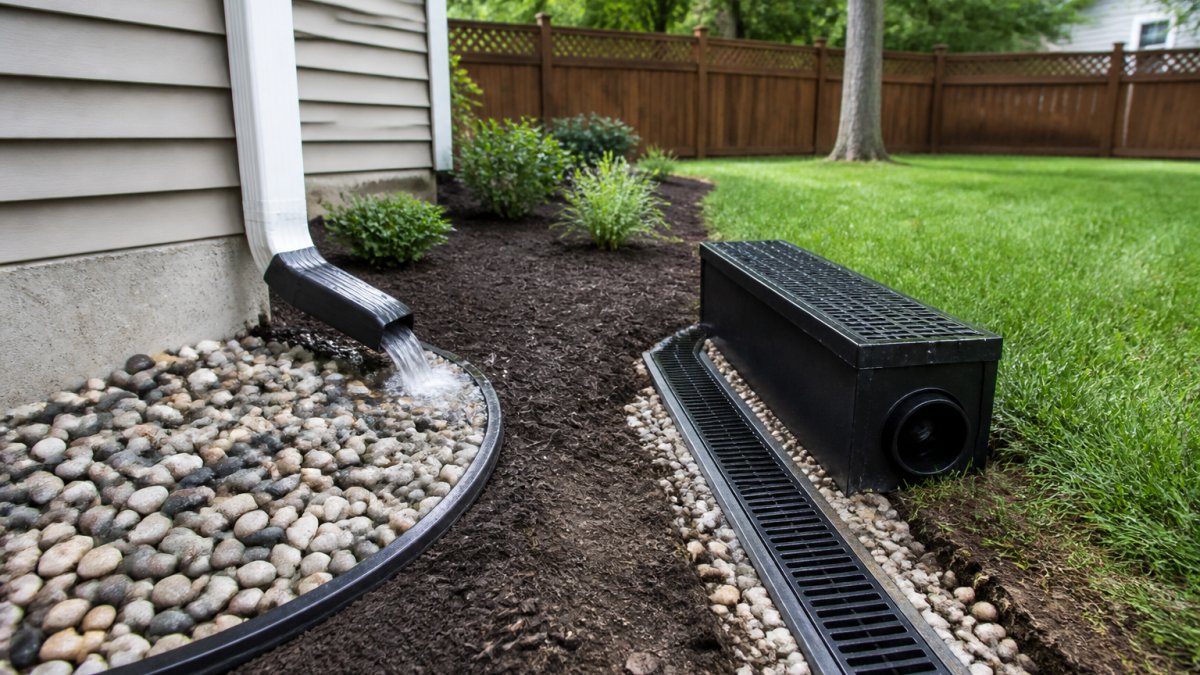
Catch basins are highly effective for localized pooling, a patio that floods or a low corner where water collects.
Installation is straightforward: a basin is placed at the low point, connected to perforated pipe, and routed to a safe discharge point. Maintenance involves periodic cleaning to remove debris and prevent clogging.
Catch basins work on any soil type and don't depend on infiltration, making them reliable in clay-heavy areas where alternatives to french drains might struggle, and in areas with high water tables or limited space.
Dry Well for Yard Drainage Installation
Dry wells are excellent for roof and downspout discharge, particularly on properties with reasonable soil infiltration and adequate depth to the water table.
The dry well for yard drainage works best in sandy or loamy soil.
Installation involves digging a pit, installing a perforated basin, surrounding it with gravel, and connecting downspouts or surface water sources. Maintenance is minimal beyond occasional inspection for siltation.
Rain Gardens and Landscape-Based Solutions
Rain gardens are highly effective for moderate volumes of surface water. They filter sediment and pollutants, improve water quality, and support native plantings that absorb moisture and prevent erosion, improving the landscape while solving drainage issues.
Rain gardens work best with dedicated space and soil that infiltrates at a reasonable rate, and require regular maintenance to keep plants healthy and prevent sediment buildup.
Choosing the Right Alternative for Your Backyard
Most guides tell you to "consider your soil and slope." That advice is useless until you've diagnosed the water. The framework below walks through four questions that narrow the field fastest, then compares the alternatives on the factors that determine whether they'll still be working five years from now.
Step 1: Identify the source of the water
Backyard water problems fall into four categories, each pointing to a different family of solutions:
- Roof and downspout runoff. Concentrated, fast, and predictable. Best handled at the discharge point with a dry well, catch basin, or a graded splash path to a vegetated area.
- Surface pooling on lawns and patios. Sheet flow that collects in low spots. Swales, rain gardens, channel drains, and regrading are the primary tools.
- Groundwater or a high water table. Water seeping up from below after sustained rain. Surface solutions won't fix this, you need subsurface collection (a dry well sized for the infiltration rate, or a sump-and-discharge setup) plus a plan for where the water goes.
If you can't tell which category you're in, dig a test hole roughly 18-24 inches deep after a heavy rain and watch whether water fills from the bottom (groundwater) or the sides (perched surface water). That single observation eliminates half the options.
Step 2: Test your soil's infiltration rate
Soil type decides whether infiltration-based systems (dry wells, rain gardens, standard swales) will work at all. A simple percolation test, dig a hole, fill it with water, and time how long it takes to drain, gives you a rough answer. Sandy and loamy soils typically drain fast enough to support infiltration systems; clay-heavy soils often drain too slowly, which is why catch basins and surface conveyance tend to outperform dry wells and rain gardens there.
Step 3: Check slope, space, and discharge options
Every system needs somewhere for the water to go. Before you commit to any design, confirm:
- You have a legal and practical discharge point. That means a storm sewer (where allowed), a curb, a drainage easement, or a vegetated area on your own property that can absorb the flow.
- You are not redirecting water onto a neighbor's lot. In most jurisdictions, concentrating runoff and discharging it across a property line can create liability and, in some cases, violate local stormwater ordinances. Check your city or county code before you trench.
- You've called 811 before digging. Utility locating is free in every state and required by law in most. Hitting a gas or fiber line is far more expensive than any drainage system.
Step 4: Compare alternatives on cost, lifespan, and maintenance
Installation costs vary widely by region, yard access, and excavation, but the relative ranking is consistent:
| Alternative | Typical installed cost tier | Expected lifespan | Ongoing maintenance |
|---|---|---|---|
| Regrading / surface shaping | Lowest | Effectively permanent until landscaping changes | None, unless settling occurs |
| Downspout extensions and splash blocks | Lowest | 5-15 years depending on material | Reposition after storms |
| Landscape swale | Low to moderate | 10-20+ years with care | Mowing, sediment removal, occasional reshaping |
| Rain garden | Low to moderate | 15-20+ years | Weeding, plant replacement, sediment cleanout |
| Catch basin with piped discharge | Moderate | 20-30 years for basin; pipe lifespan varies | Annual debris cleanout, occasional jetting |
| Dry well | Moderate | 10-20 years before siltation reduces capacity | Inspection every 1-2 years; may need re-excavation |
| Trench or channel drain | Moderate to high | 20-30 years | Grate cleaning, especially under trees |
Treat these as planning ranges, not quotes. Get at least two local estimates, and ask each contractor what happens to the system in a 25-year storm, that question separates real designers from installers.
A quick decision shortcut
- Concentrated water from a downspout or single low spot: catch basin or dry well.
- Broad sheet flow across a lawn: swale or regrading.
- Water arriving from uphill or a neighbor: interceptor swale or channel drain.
If two or more of these describe your yard, you likely need a combined approach, for example, a swale that feeds a rain garden, or a catch basin that discharges to a dry well. Very few backyards are solved by a single device.
Conclusion
Standing water and yard flooding don't require a French drain. Alternatives to french drains often deliver better results because they're matched to your specific problem, whether that's surface runoff, subsurface seepage, or localized pooling.
The key is starting with diagnosis. Understand where your water is coming from, test your soil, assess your slope and space, then choose the system that solves your actual problem.
Frequently Asked Questions
What is the most effective drainage system for a backyard?
The most effective system depends on your water source and yard conditions. Surface water pooling on flat terrain responds well to yard grading for drainage or landscape swale drainage. Subsurface water and seepage benefit from dry well for yard drainage or catch basin drainage systems. Rain gardens work best in areas with moderate rainfall and good soil infiltration. A professional assessment of your slope, soil type, and water patterns determines which alternative to French drains will perform best for your specific situation.
Can a dry well solve backyard drainage problems?
A dry well for yard drainage can solve standing water issues when installed correctly and when your soil has adequate infiltration capacity. Dry wells work by collecting water in an underground chamber and allowing it to percolate into surrounding soil. They're most effective for downspout discharge and localized water pooling. However, they may not work in clay-heavy soil or areas with high water tables. Professional evaluation of your soil and drainage capacity is essential before installation to ensure the dry well will actually resolve your problem.
Are swales a good alternative to French drains?
Landscape swale drainage systems are an excellent alternative when you have room for surface water conveyance and adequate slope. Swales redirect runoff across your yard while allowing gradual infiltration, reducing standing water and yard flooding. They require proper grading to function and work best in yards with at least a slight slope. Unlike subsurface French drains, swales are visible and can be landscaped with vegetation. They're less effective in flat terrain or clay soil and generally require more space than buried drainage solutions.
When should I choose a catch basin instead of a French drain?
Choose a catch basin drainage system when you have concentrated water from downspouts, patio areas, or low spots that need rapid collection and discharge. Catch basins capture water quickly and direct it away through pipes or channels, making them ideal for preventing patio flooding and managing stormwater runoff. They work well in flat yards where swales won't function and when you need immediate water removal. Catch basins require proper outlet planning and maintenance to prevent clogging, but they're highly effective for specific drainage points rather than whole-yard solutions.
OCAS Residential provides comprehensive drainage solutions tailored to your property's needs. From precision landscape grading that prevents pooling to professional catch basin and dry well installation, we deliver effective water management that protects your home and restores your outdoor space. Schedule a free estimate and let our team assess your drainage challenge and recommend the solution that actually works for your backyard.