 listicle
5 Best Drainage Systems for Residential Properties
Table of Contents
- Why Residential Drainage Systems Matter
- Quick Comparison: 5 Drainage Systems at a Glance
- 1. French Drains: Subsurface Water Redirection
- 2. Trench Drains: Surface Water Management
- 3. Catch Basins: Targeted Point Drainage
- 4. Slot Drains: Modern Linear Drainage
- 5. Downspout Extensions and Pop-Up Emitters
- How to Fix Backyard Muddy Spots with Proper Grading
- Frequently Asked Questions
Last Updated: October 2, 2026
Why Residential Drainage Systems Matter
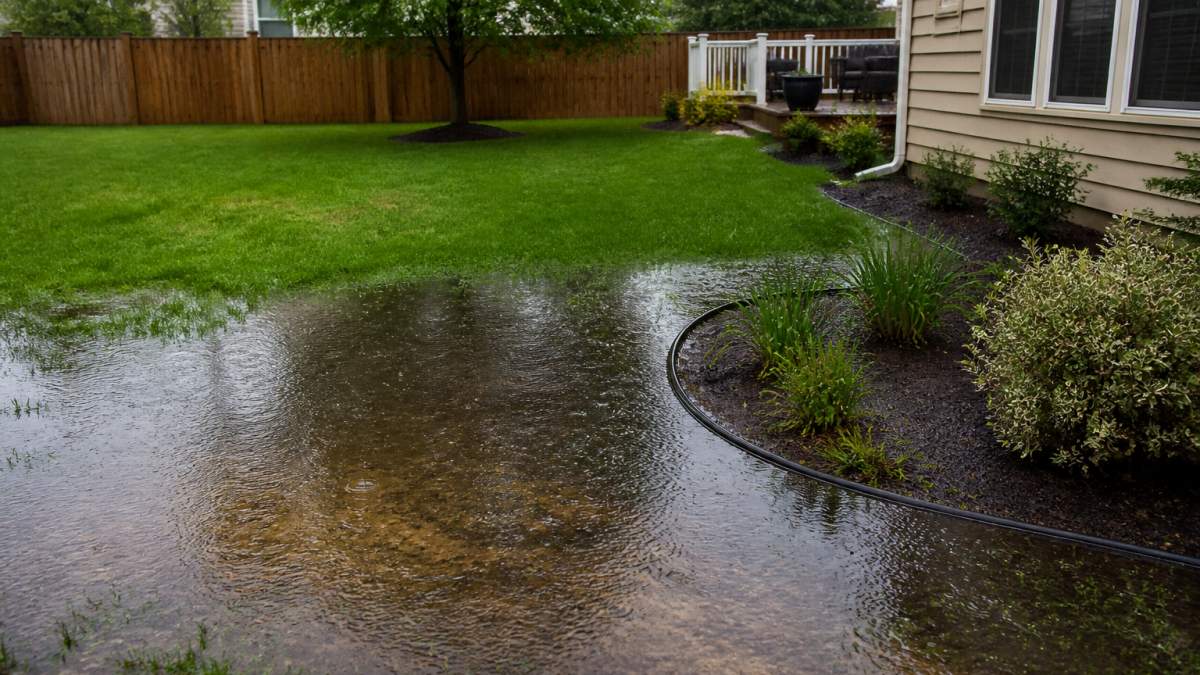
Water pooling in your yard isn't just an eyesore, it's a threat to your foundation, landscape, and property value.
Understanding your drainage options is the first step toward solving chronic water problems and achieving a dry, functional outdoor space.
Quick Comparison: 5 Drainage Systems at a Glance
| System Type | Best For | Installation Complexity | Typical Cost Range | Installation Timeline | Climate Suitability | Maintenance Level |
|---|---|---|---|---|---|---|
| French Drains | Subsurface water and muddy spots | Moderate to high | $1,500-$5,000+ (100 linear feet) | 2-5 days | All climates; freeze-thaw cycles may affect discharge points | Low once installed |
| Trench Drains | Driveways and patio surface water | Moderate | $800-$3,000 (50 linear feet) | 1-3 days | All climates; ensure proper slope in freeze-thaw zones | Low to moderate |
| Catch Basins | Targeted low spots and problem areas | Low | $200-$800 per basin (installed) | Few hours to 1 day | All climates; debris trap cleaning essential in wet climates | Moderate (quarterly cleaning) |
| Slot Drains | Modern patios and pool decks | Moderate | $1,200-$4,000 (50 linear feet) | 1-2 days | All climates; grate-free design ideal for heavy leaf drop areas | Low |
| Downspout Extensions & Pop-Ups | Foundation protection and gutter discharge | Low | $50-$300 per outlet | 1-2 hours per outlet | All climates; spring mechanisms may freeze in extreme cold (below -10°F sustained) | Minimal |
Understanding Installation Costs and Labor
Costs vary significantly by region, soil type, and whether existing landscape must be restored.
DIY installation is realistic only for downspout extensions and catch basins in accessible locations. French drains and trench drains require equipment rental ($100-$300/day for excavation tools) and technical knowledge of slope, perforations, and discharge planning. Most homeowners find professional installation worthwhile for these systems.
Climate-Specific Recommendations
Heavy Rainfall Zones (40+ inches annually): French drains and trench drains handle sustained volume better than catch basins alone.
Freeze-Thaw Climates (below 0°F): Avoid pop-up emitters; spring mechanisms freeze. Terminate French drain discharge above grade or in dry wells to prevent ice blockage.
Arid Regions (under 20 inches annually): Catch basins and downspout extensions often suffice. Focus on proper grading and gutter management.
High Water Table Areas: Properties with water tables within 3 feet require French drains or subsurface systems. Consult a professional before selecting a system.
1. French Drains: Subsurface Water Redirection
How French Drains Work
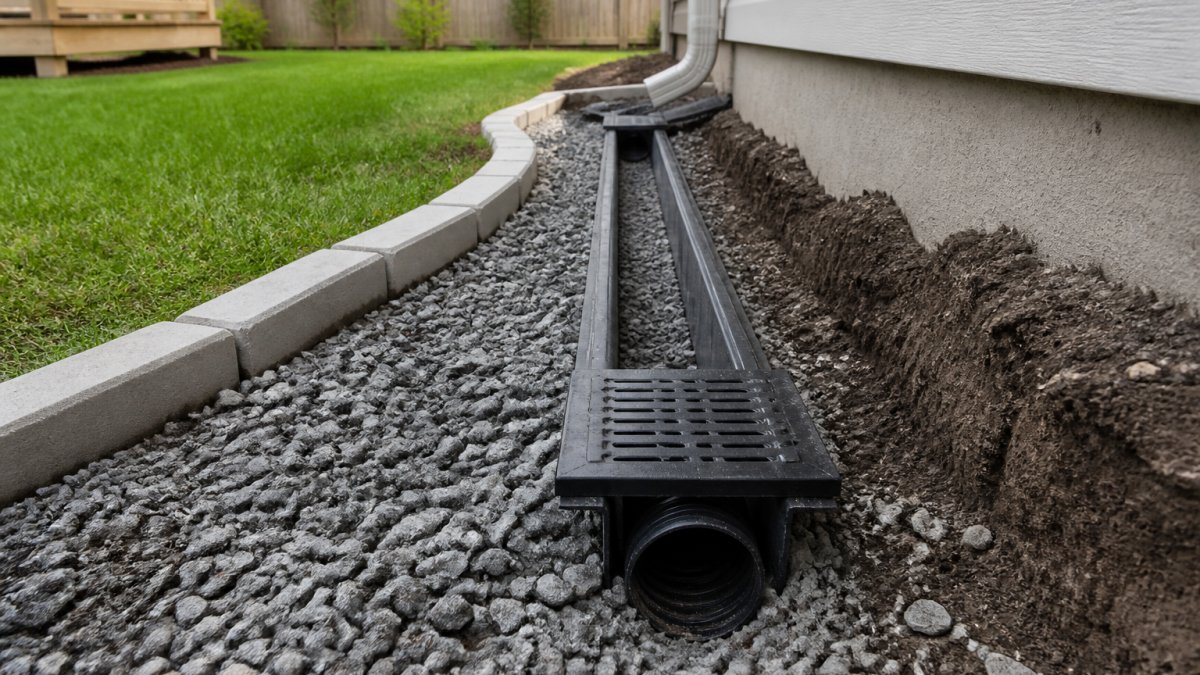
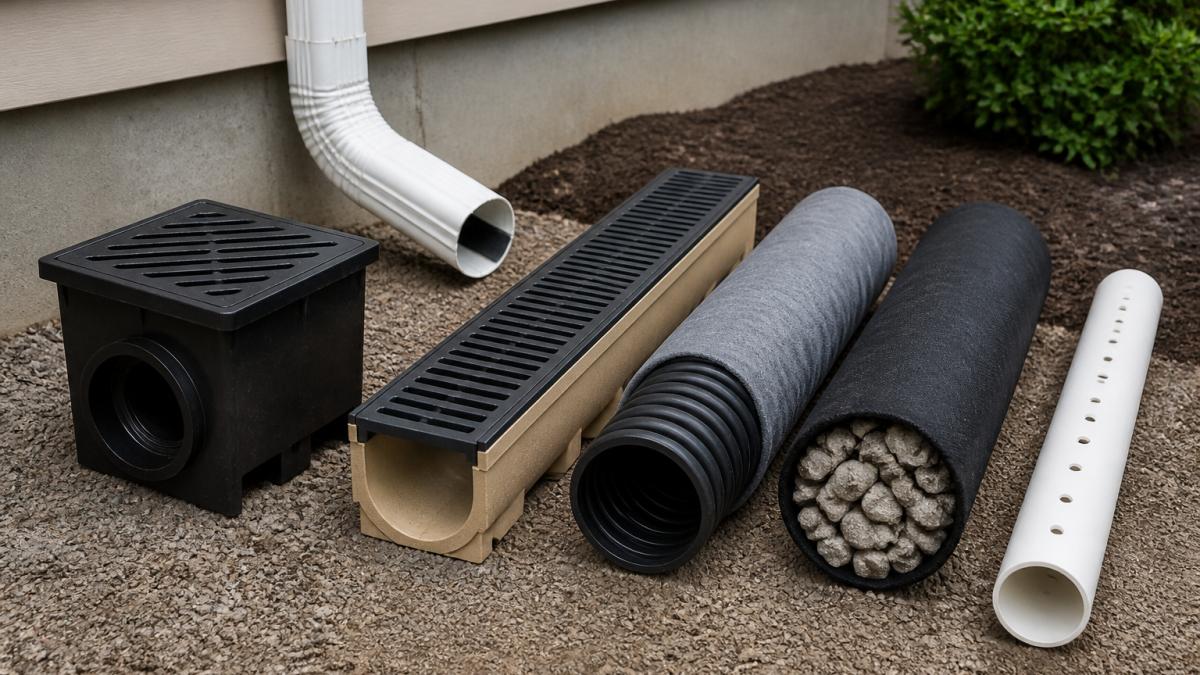
A French drain intercepts groundwater before it pools by using a perforated pipe buried in a trench, surrounded by aggregate and geotextile fabric. Water enters the perforations, flows through the aggregate, and travels along the sloped pipe (typically 1% grade) toward a discharge point or dry well. Geotextile fabric prevents soil particles from clogging perforations, extending lifespan. French drains handle high water volume in most soil types without mechanical components.
Pros and Cons
Pros:
- Permanently solves subsurface water problems without mechanical components
- Works in nearly all soil conditions and climates
- Integrates invisibly into landscaping once installed
- Handles sustained, high-volume water flow
- Requires minimal maintenance after installation
Cons:
- Requires significant excavation and trenching
- Installation is labor-intensive and best handled professionally
- Needs proper slope and discharge planning before digging
- Initial installation cost is substantial
2. Trench Drains: Surface Water Management
Best Applications
Trench drains manage surface runoff flowing across your property, ideal for driveways, patios, and sloped areas. Modern systems like Swiftdrain use pre-sloped channels that maintain consistent flow without pooling. Modular designs customize to any layout, with heavy-duty grates protecting channels from debris.
Pros and Cons
Pros:
- Handles large volumes of surface runoff efficiently
- Pre-sloped designs ensure reliable water movement
- Modular systems adapt to any property shape
- Durable materials withstand freeze-thaw cycles
- Visible drainage prevents standing water immediately
Cons:
- Requires professional installation for optimal hydraulic performance
- Grates need periodic cleaning to prevent debris buildup
- More visible than subsurface alternatives
- Higher upfront cost than simple downspout extensions
3. Catch Basins: Targeted Point Drainage
Ideal Situations for Catch Basins
Catch basins collect water at low spots before it spreads, ideal for isolated problem areas. Debris traps prevent pipe clogging, and multiple outlet configurations connect to drainage pipes. They're most effective combined with other systems, for example, a catch basin feeding into a French drain handles both surface and subsurface water.
Pros and Cons
Pros:
- Affordable and easy to install in existing landscapes
- Effective at preventing standing water in specific low spots
- Integrated debris traps protect downstream pipes
- Durable polyethylene construction resists corrosion
- Multiple outlet options for flexible system design
Cons:
- Requires regular cleaning of the debris trap to function properly
- Limited to point drainage, doesn't solve yard-wide water issues
- Visible grates can be a landscaping consideration
- Relies on proper slope to discharge point
4. Slot Drains: Modern Linear Drainage
Design and Installation
Slot drains are grate-free linear systems with a sleek slot opening directing water into a concealed channel. The grate-free design eliminates the main maintenance headache of traditional trench drains, debris cleaning. Water flows directly into the channel, naturally shedding leaves and debris. Stainless steel and galvanized options resist corrosion in all climates.
Pros and Cons
Pros:
- Highly aesthetic, virtually invisible when installed correctly
- No grates means no debris cleaning and maintenance
- ADA-compliant surface for pedestrian safety
- Handles high water volumes efficiently
- Modern appearance suits contemporary home designs
Cons:
- Higher cost compared to traditional trench drains
- Requires professional installation for proper slope and integration
- Limited to above-grade applications (patios, pool decks, driveways)
- Less suitable for yards with heavy vegetation overhead
5. Downspout Extensions and Pop-Up Emitters
How They Prevent Foundation Issues
Pop-up emitters like the NDS 420C solve the critical problem of gutter discharge by creating a discreet outlet that releases water away from the foundation. The spring-loaded lid remains flush with the lawn until water flows through, then pops up to discharge water 4-6 feet from your foundation. Once water stops, the lid closes, preventing foundation damage and eliminating tripping hazards.
Pros and Cons
Pros:
- Inexpensive and easy to install for most homeowners
- Discreet appearance blends seamlessly into landscaping
- Prevents foundation water damage from gutter discharge
- Works with standard 3-inch and 4-inch drainage pipes
- Spring-loaded design prevents debris and pest entry
Cons:
- Limited to low-volume discharge applications
- Requires proper slope for reliable operation
- Spring mechanism may freeze in extreme cold climates
- Doesn't address subsurface or widespread surface water problems
How to Fix Backyard Muddy Spots with Proper Grading
Muddy spots indicate poor slope grading. Fixing this requires assessing where water naturally flows, then creating or improving slopes to guide it away from structures.
Grading Fundamentals and Slope Requirements
Proper grading slopes soil away from your home at least 1% (one foot drop per 100 feet). Problem areas need steeper slopes of 2-5%. Soil type affects drainage: clay requires 3-5% slopes or subsurface drainage, while sandy or loamy soils work at 1-2%. A simple percolation test, digging a hole, filling it with water, and measuring drainage speed, reveals whether grading alone solves your problem or if you need supplemental systems.
DIY Grading vs. Professional Installation: Cost and Complexity
Small projects are suitable for DIY, but professional grading is recommended for larger or more complex jobs, especially when slopes exceed 5%, fill material must be imported, regrading occurs near foundations, or drainage integration is needed.
Permitting and Legal Considerations for Grading Projects
Grading and drainage modifications are subject to local zoning codes and stormwater regulations, yet most homeowners overlook this entirely. Many jurisdictions require permits for grading projects that disturb more than 1 acre or involve significant fill or cut. Even smaller residential projects may trigger stormwater management requirements under the Clean Water Act and EPA Phase II Stormwater Regulations (the EPA).
Key legal considerations include:
Stormwater Runoff Responsibility: Many municipalities hold property owners liable for stormwater runoff that damages neighboring properties. If your grading project redirects water onto a neighbor's land, you may face legal liability. Check your local stormwater ordinance (typically available through your city or county public works department) to understand runoff standards.
HOA and Deed Restrictions: Homeowners associations often restrict exterior modifications, including grading and drainage work. Review your HOA covenants before beginning any project.
Wetland and Environmental Protections: Properties with wetlands, streams, or sensitive habitats may fall under Army Corps of Engineers jurisdiction (Section 404 of the Clean Water Act).
Utility Conflicts: Before excavating or grading, call 811 (or your local utility locating service) to mark underground utilities.
Contact your local building department or planning office to determine whether your project requires a permit.
Integration with Drainage Systems
Proper grading works best when combined with the right drainage system. A property with good slope but clay soil may still need a French drain to handle subsurface water.
The key is starting with a comprehensive site assessment. Where does water pool? What's the natural slope of your property? Are gutters discharging properly? What's your soil type and drainage rate?
Frequently Asked Questions
What is the most effective drainage system for residential yards?
The most effective system depends on your property's conditions. French drains excel at managing subsurface water and soil saturation, while trench drains handle high-volume surface runoff. Catch basins work best for targeted low spots. A professional assessment of your water table, slope grading, and existing landscape drainage capacity determines the right choice for your specific situation.
How much does French drain installation cost?
French drain installation costs vary based on the length of trenching required, soil conditions, and material specifications. Professional installation adds labor costs that depend on your property's size and complexity. Contact OCAS Residential for a free estimate tailored to your drainage needs.
Can improper drainage cause foundation damage?
Yes. Poor drainage creates hydrostatic pressure around your foundation as water accumulates and soil saturation increases. Standing water and inadequate water redirection lead to foundation cracks, settling, and costly repairs. Proper yard grading and drainage solutions, including downspout extensions and subsurface systems, protect your foundation by directing runoff away from the structure.
What's the difference between a French drain and a surface drain?
French drains are subsurface systems using perforated pipe and aggregate to manage groundwater and soil saturation below grade. Surface drains (trench drains and catch basins) collect water pooling on top of the ground. French drains prevent erosion control issues and water table problems; surface drains handle immediate runoff. Many properties benefit from both systems working together.