 listicle
Best Plants for Wet Backyard Areas: 10 Picks That Thrive
Table of Contents
- How to Diagnose Saturated Soil Before You Plant
- How to Fix Backyard Muddy Spots Before Planting
- Drainage Solutions for Wet Yards That Actually Work
- 10 Best Plants for Wet Backyard Areas
- Rain Garden Design Ideas for Wet Backyards
- Seasonal Care for Wet Backyard Plants
- Frequently Asked Questions
Last Updated: September 23, 2026
How to Diagnose Saturated Soil Before You Plant
Before buying a single plant, determine whether your yard has a drainage problem or simply slow-draining soil. The distinction matters because it changes which of the best plants for wet backyard areas will survive, and which will rot within a season. At OCAS Residential, we see this mistake constantly: homeowners plant moisture lovers in standing water and watch them drown anyway. Diagnosis takes one weekend and costs nothing.
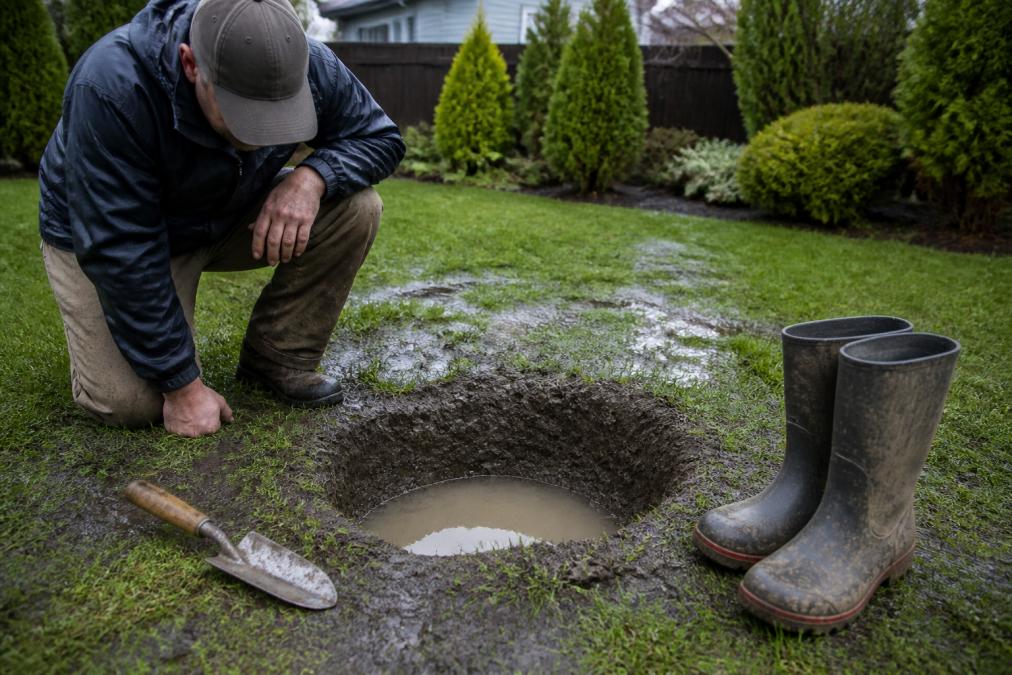
Simple Drainage Tests You Can Run This Weekend
The percolation test is the fastest way to measure how quickly water moves through your soil. Dig a hole roughly 12 inches deep and 6 inches wide, fill it with water, let it drain, then refill and time how long the second fill takes to disappear. If water sits for more than a few hours, you have a genuine drainage issue, not just damp ground.
Two more checks worth running:
- Squeeze test: Grab a handful of soil. If it forms a tight ball that holds shape, clay content is high and water retention will be significant.
- Worm and root check: Healthy soil has earthworms and dark color. Gray, sour-smelling soil signals prolonged saturation.
- Contour walk: After heavy rain, note where water pools. Those low spots define your planting zones.
How to Fix Backyard Muddy Spots Before Planting
Fixing backyard muddy spots starts with redirecting water, not absorbing it. Plants are the last step, not the first. If you skip this order, you will replant the same dead perennials every spring.
Three fixes that work, ranked by effort:
- Regrade the low spot. Add soil to create a gentle slope away from the foundation. Even a slight pitch moves water.
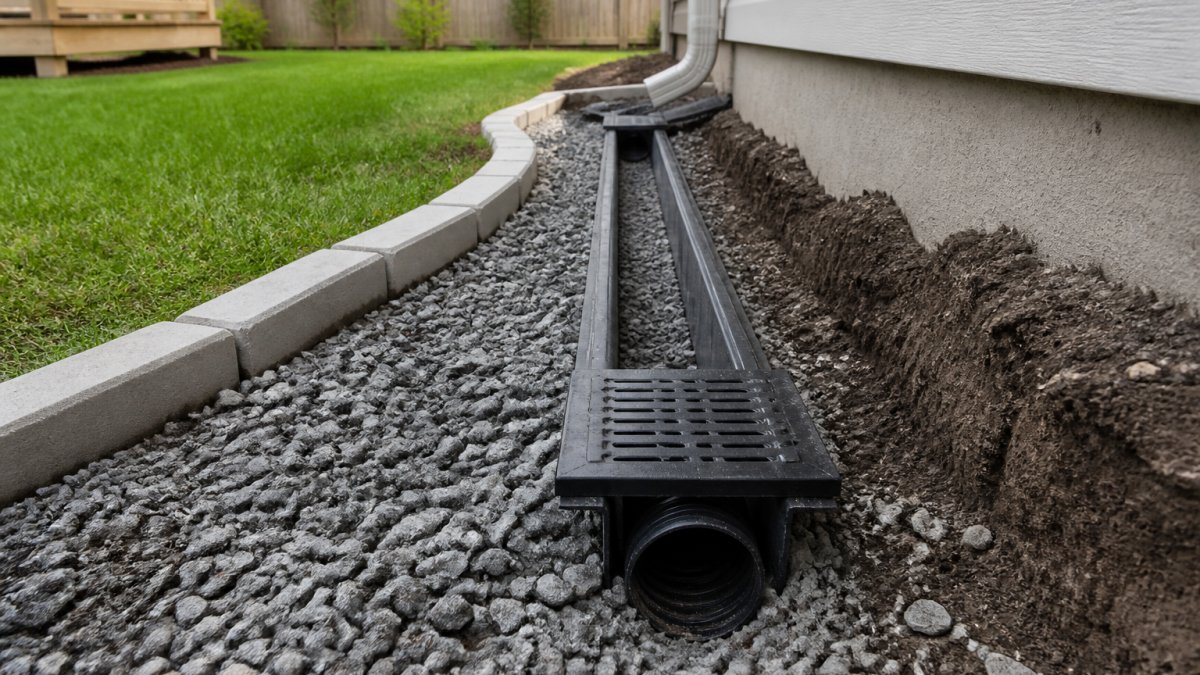
- Install a French drain or swale. A gravel-filled trench channels surface water to a discharge point.
- Amend with organic matter. Compost improves clay soil structure over time, though it will not solve standing water alone.
Drainage Solutions for Wet Yards That Actually Work
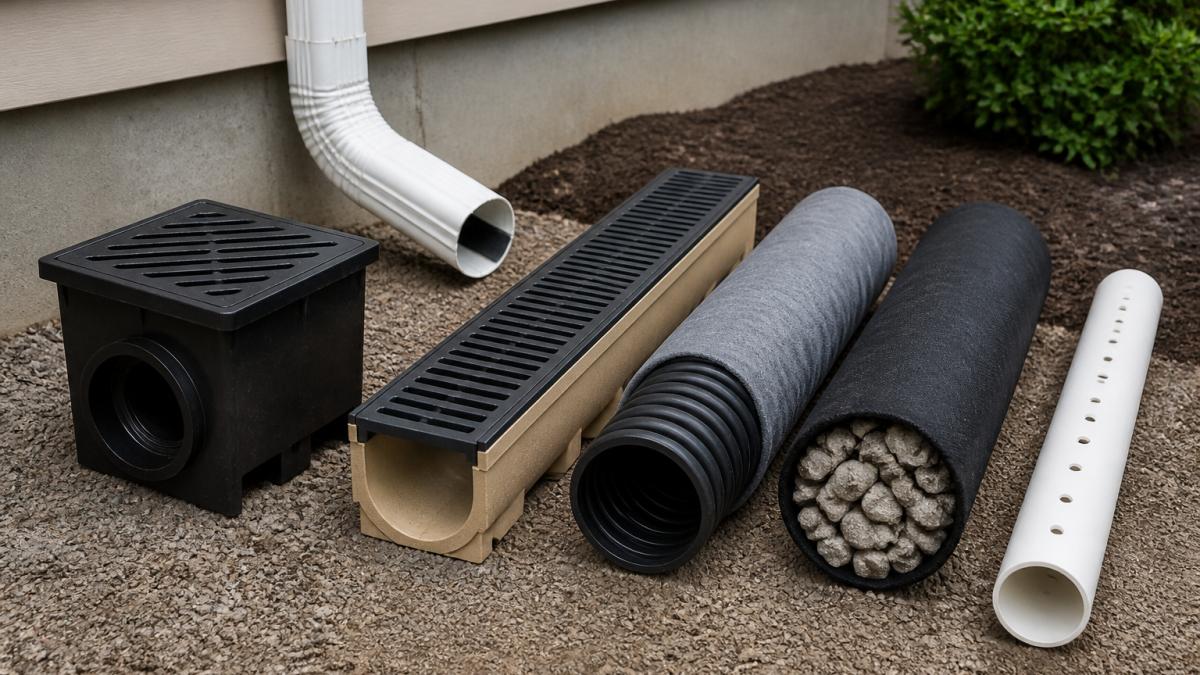
Effective drainage solutions for wet yards fall into two categories: surface and subsurface. Surface solutions move water across the top of the ground. Subsurface solutions collect and redirect it below.
| Solution | Best For | Effort Level | Maintenance |
|---|---|---|---|
| Regrading | Broad low areas | Moderate | Low |
| French drain | Persistent wet strips | High | Medium |
| Dry creek bed | Aesthetic drainage | Moderate | Low |
| Rain garden basin | Capturing runoff | Moderate | Medium |
| Soil amendment | Clay-heavy beds | Low | Ongoing |
When to Call a Grading and Drainage Professional
Call a professional when water pools near your foundation, when the wet area covers a large portion of the yard, or when DIY fixes have failed for more than one season. Grading requires knowing your property's slope, your neighbors' runoff patterns, and where water can legally discharge.
10 Best Plants for Wet Backyard Areas
The best plants for wet backyard areas are native species adapted to saturated soil, standing water, and low-oxygen root zones. These ten picks tolerate boggy ground, support pollinators and wildlife, and look intentional rather than overgrown. Each entry below lists light needs, mature height, water tolerance, and a pet-safety note, because several popular wet-soil plants are toxic to dogs and cats and that detail is missing from most guides.
How to read the water-tolerance column:
- Occasional flooding, handles a few days of standing water after storms.
- Seasonal saturation, thrives in soil that stays damp most of the year.
- Constant wet, tolerates water at or above the soil line for weeks.
Perennials and Grasses for Soggy Ground
- Swamp Milkweed (Asclepias incarnata), Full sun; 3 to 4 feet; constant wet; fragrant pink blooms; monarch host plant. Toxic to pets if ingested.
- Blue Flag Iris (Iris versicolor), Full sun to part shade; 2 to 3 feet; constant wet; blue-violet flowers; deer resistant. Toxic to pets.
- Joe Pye Weed (Eutrochium purpureum), Full sun; 5 to 7 feet; seasonal saturation; late-season nectar source for butterflies. Non-toxic.
- Siberian Iris (Iris sibirica), Full sun; 2 to 3 feet; seasonal saturation; clump-forming, cold hardy to Zone 3. Toxic to pets.
- Black-eyed Susan (Rudbeckia hirta), Full sun; 2 to 3 feet; occasional flooding; bright yellow, long bloom season, easy from seed. Non-toxic.
- Pale Purple Coneflower (Echinacea pallida), Full sun; 2 to 3 feet; occasional flooding; deep taproot aids soil stability, bird-friendly seed heads. Non-toxic.
- Switchgrass (Panicum virgatum), Full sun; 3 to 6 feet; handles wet and dry; winter interest, erosion control. Non-toxic.
- Maidenhair Fern (Adiantum pedatum), Part to full shade; 1 to 2 feet; seasonal saturation; delicate texture for damp shade. Non-toxic.
Blue Flag Iris and Switchgrass are the two most forgiving for beginners. Both handle fluctuating water levels that would kill less adaptable plants.
Shrubs and Trees for Saturated Soil
The shrub and tree layer does the heavy lifting for water uptake and erosion control. These are the workhorses most extension services recommend for wet sites:
- Buttonbush (Cephalanthus occidentalis), Full sun to part shade; 6 to 12 feet; constant wet. White globe-shaped flowers, heavy bee and butterfly nectar. Toxic to pets. Give it room; it spreads.
- Red Twig Dogwood (Cornus sericea), Full sun to part shade; 6 to 9 feet; seasonal saturation. Red winter stems, bird habitat. Non-toxic.
- Winterberry Holly (Ilex verticillata), Full sun to part shade; 6 to 10 feet; seasonal saturation. Bright red berries persist into winter for birds. Toxic to pets.
- Bald Cypress (Taxodium distichum), Full sun; 50 to 70 feet; constant wet. Deciduous conifer that tolerates permanent standing water; excellent for large wet lots. Non-toxic.
- River Birch (Betula nigra), Full sun; 40 to 70 feet; seasonal saturation. Peeling bark, fast growth, tolerates clay. Non-toxic.
Matching Plants to Sun Exposure
Light, not water, is the second filter that decides which of these plants will actually thrive. Use this quick map:
- Full sun (6+ hours): Swamp Milkweed, Joe Pye Weed, Black-eyed Susan, Switchgrass, Buttonbush, Bald Cypress.
- Part shade (3 to 6 hours): Blue Flag Iris, Siberian Iris, Red Twig Dogwood, Winterberry Holly, River Birch.
- Full shade (under 3 hours): Maidenhair Fern, and most other moisture-loving ferns.
Rain Garden Design Ideas for Wet Backyards
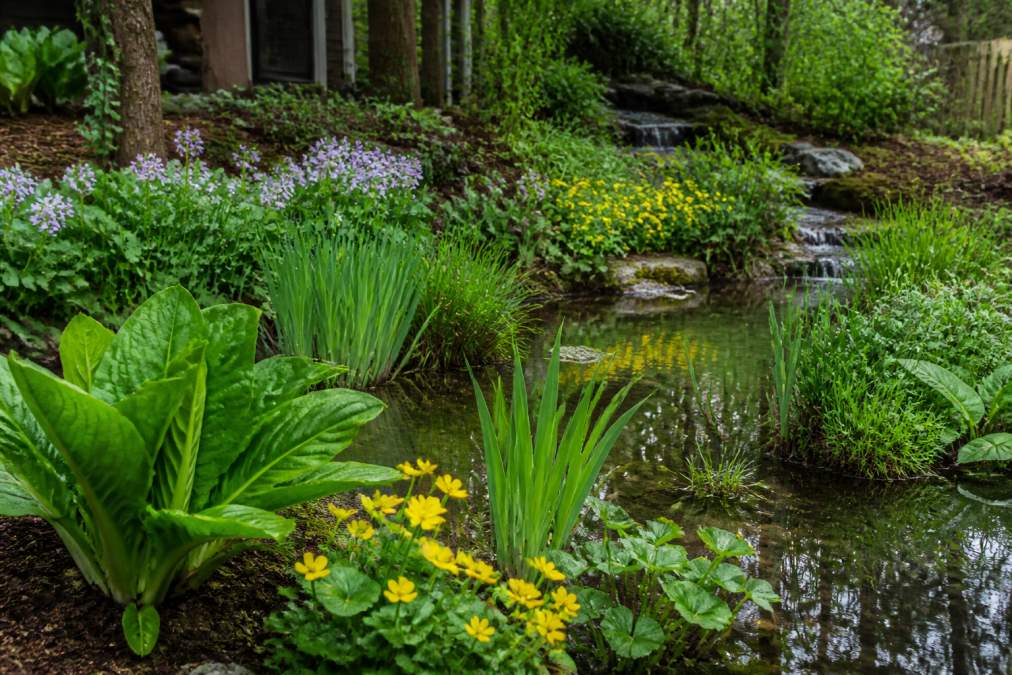
A rain garden is a shallow, planted depression that captures runoff and lets it soak into the ground instead of pooling or running off. Design yours as a curved basin with a stone border, planted with native perennials and ornamental grasses. Position it where water naturally flows, not where you wish it would.
Design elements that work:
- Depth: 4 to 8 inches is enough for most residential runoff.
- Planting zones: Wet-tolerant species in the center, more adaptable plants on the berm.
- Stone border: Defines the basin and slows incoming water.
- Overflow path: Always plan where excess water exits during heavy storms.
Seasonal Care for Wet Backyard Plants
Wet garden beds need less watering but more attention to drainage maintenance, division, and dormant-season timing. Most guides stop at "water less," so here is a month-by-month calendar that covers the parts they skip, spring flooding, winter pruning, and how to tell root rot from normal dormancy.
Spring: Manage the Flood, Not the Plants
- Clear drains and swales first. Before new growth emerges, remove leaves, sediment, and debris from French drains, dry creek beds, and rain garden overflow paths. A clogged overflow is the most common cause of a rain garden turning into a pond.
- Delay cleanup until soil dries. Working wet clay compacts it and destroys the structure you spent seasons building. Wait until a squeezed handful crumbles rather than smears.
- Cut back only dead top growth. Leave green basal growth on irises and grasses; it fuels the spring flush.
- Watch for crown rot after snowmelt. Mushy, foul-smelling crowns on plants that overwintered in standing water usually mean the drainage path failed, not the plant.
Summer: Divide, Deadhead, and Monitor
- Divide clumping perennials like Siberian Iris and Blue Flag Iris every 2 to 3 years, right after bloom, to keep them vigorous and prevent the center die-out that happens in rich wet soil.
- Deadhead Black-eyed Susan and Coneflower to extend bloom, or leave seed heads for goldfinches if you want bird value.
- Check water levels in the rain garden basin. During drought, even wet-loving plants need a soak; during heavy rain, confirm the overflow is moving water away from the foundation.
Fall: Plant, Cut Back, and Protect
- Plant in early fall rather than spring. Cooler temperatures and fall rains help roots establish before summer stress, and you avoid the transplant shock that kills new plants in saturated summer soil.
- Cut back spent foliage on perennials, but leave seed heads on Joe Pye Weed, Coneflower, and Winterberry for birds.
- Skip heavy mulch. In consistently wet beds, thick mulch traps moisture against crowns and encourages root rot. A light 1- to 2-inch layer is enough.
Winter: Dormant Pruning and Structure
- Prune deciduous shrubs like Red Twig Dogwood and Buttonbush in late winter, while they are dormant and before bud break. This is also when you can see the shrub's structure and remove crossing branches.
- Leave standing stems and seed heads for overwintering insects and birds; cut them back in early spring once temperatures stay above freezing.
- Do not prune evergreens or Bald Cypress in freezing weather, wounds heal slowly and invite dieback.
- Inspect drainage once mid-winter if you get a thaw; ice dams and frozen overflow paths are a common cause of spring flooding.
Telling Root Rot from Dormancy
Watch for root rot in plants that are merely water-tolerant rather than water-loving. Yellowing leaves and mushy stems in a plant that should be thriving usually mean the roots are sitting in water too long. That is a drainage problem, not a plant problem. In dormancy, stems go brown and dry; in root rot, they go soft, dark, and foul.
Frequently Asked Questions
What plants thrive in waterlogged areas of a backyard?
Native species handle saturated soil best because they evolved in wet meadows and floodplains. Top performers include swamp milkweed, blue flag iris, Joe Pye weed, buttonbush, and switchgrass. These wet backyard plants tolerate standing water for days and keep their root systems healthy where conventional garden plants would rot. Match each plant to its light conditions, since most moisture-loving perennials need full sun while ferns and sedges prefer damp shade.
Can plants actually help dry out a wet backyard?
Plants help, but they are not a substitute for grading and drainage work. A mature shrub layer and deep-rooted native perennials pull several gallons of water from the soil each day during the growing season, which reduces how long a yard stays soggy after rain. If water pools for more than 48 hours or sits against your foundation, address the grading and drainage first, then plant moisture-loving species to handle what remains.
How do I choose plants for wet soil in shaded areas?
Start by testing how long water stands after a storm. Areas wet for a few hours suit plants like Siberian iris and black-eyed Susan, while spots that stay saturated for days need true wetland plants such as buttonbush and swamp milkweed. In damp shade, maidenhair fern and sedges work well. Check your USDA hardiness zone before buying so the plants you pick survive your winter temperatures.
Do I need professional drainage work before planting a rain garden?
Not always, but a rain garden only functions if water infiltrates the soil within about 24 to 48 hours. If your yard has heavy clay soil, standing water for days, or erosion near the foundation, have a professional assess the grading and drainage first. Companies like OCAS Residential handle land leveling, grading, and drainage solutions for wet yards, then you can plant native perennials and shrubs once the water has somewhere to go.
A wet backyard is a drainage problem wearing a landscaping costume. Fix the grade first, then plant the species that actually belong there. If water still pools after every storm, OCAS Residential can assess your property's slope and correct it with professional land leveling, precision grading, and complete site cleanup. We also install custom fencing and gates once your yard is ready. Schedule a free estimate and get a yard that drains, plants, and holds its value.