 blog
Alternatives to Concrete Retaining Walls for Drainage
Table of Contents
- Why Homeowners Skip Concrete Retaining Walls
- Landscape Grading for Drainage: Reshaping Your Yard
- French Drain for Yard Drainage: Subsurface Water Management
- Swale for Yard Drainage: Channeling Water Away
- Dry Creek Bed Drainage: Natural-Looking Water Diversion
- Other Drainage Solutions: Vegetation, Riprap, and Gabions
- Choosing the Right Solution for Your Yard
- Frequently Asked Questions
Last Updated: October 10, 2026
Why Homeowners Skip Concrete Retaining Walls
Concrete retaining walls carry hidden costs: installation, maintenance, freeze-thaw cracking, and poor water management. This guide covers practical retaining wall alternatives that manage water movement and prevent erosion cost-effectively, tailored to soil type, slope angle, water volume, available space, and budget.
Landscape Grading for Drainage: Reshaping Your Yard
Landscape grading reshapes your yard's surface to redirect water away from problem areas. Water pools when the ground is too flat or slopes toward your foundation.
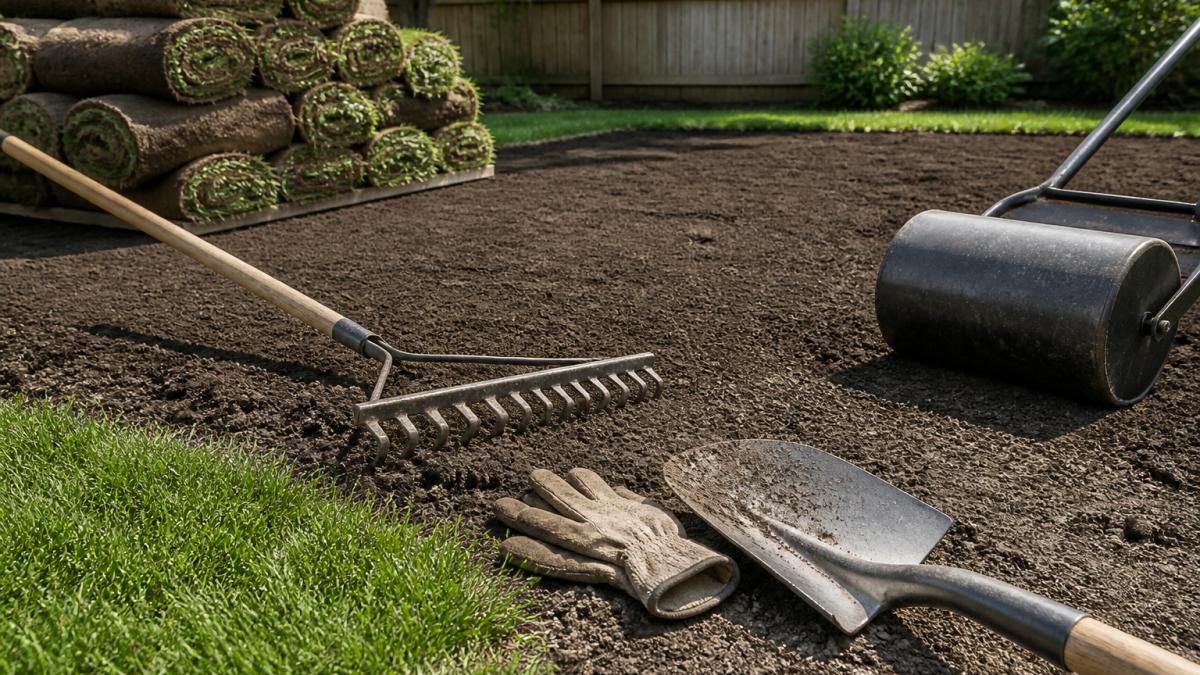
Regrading involves excavating, redistributing, and compacting soil. Larger properties benefit from professional work to ensure proper compaction and prevent settling.
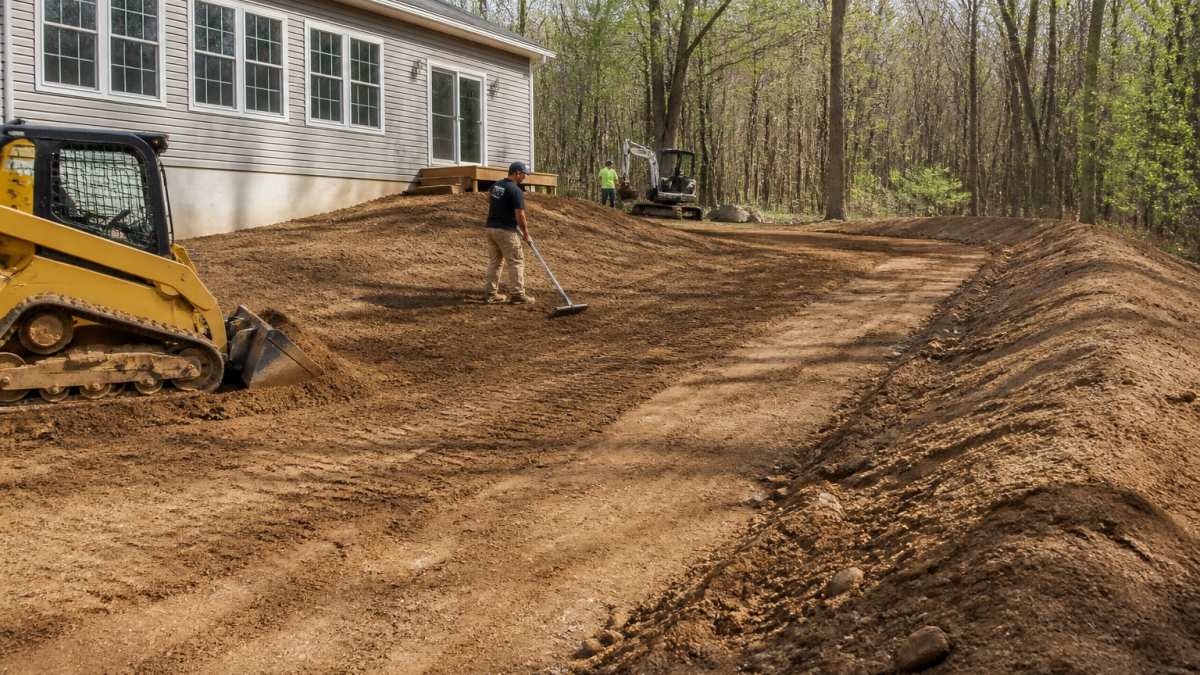
Grading is cost-effective with no ongoing maintenance, but requires adequate space. On small lots or where water sources are uphill, grading alone may not suffice.
French Drain for Yard Drainage: Subsurface Water Management
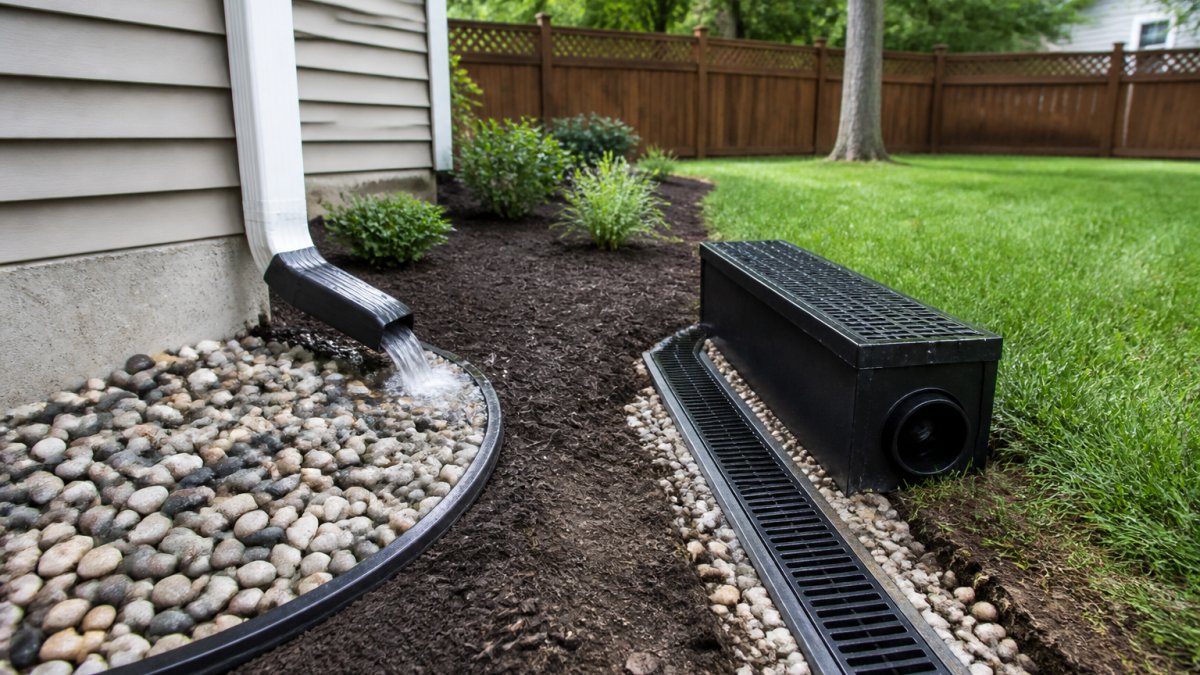
A French drain is a subsurface trench filled with gravel and perforated pipe that collects and redirects groundwater before it accumulates on your property. This is one of the most effective alternatives to concrete retaining walls for managing water pressure and preventing erosion. A trench is dug at an angle, lined with landscape fabric, filled with gravel, and a perforated pipe runs through the center. Water seeps into the gravel, enters the pipe, and flows downhill to a daylight outlet. Shallow French drains (12-18 inches) handle surface water; deeper systems (2-4 feet) manage significant groundwater.
Swale for Yard Drainage: Channeling Water Away
A swale is a shallow, vegetated channel that collects surface water and directs it downslope or toward a designated drainage area. Swales are among the most attractive retaining wall alternatives because they blend into the landscape while managing significant water volume. A wide, shallow ditch with gentle slopes slows water flow, reduces erosion, and allows infiltration. Swales require 4-8 feet of width and regular maintenance but are durable, low-cost, and visually appealing on suitable properties.
Dry Creek Bed Drainage: Natural-Looking Water Diversion
A dry creek bed is a landscaped channel filled with rocks and gravel that mimics a natural streambed and directs water away from problem areas during heavy rain. This is one of the most visually appealing alternatives to concrete retaining walls. The channel is dug along a natural or desired water path, then filled with river rocks, boulders, and gravel. Installation is less intensive than concrete walls or French drains, and rocks can be arranged creatively. Dry creek beds work best on sloped properties for surface drainage and require occasional maintenance: raking debris and managing vegetation.
Other Drainage Solutions: Vegetation, Riprap, and Gabions
Several complementary solutions address specific challenges or work best layered with primary drainage methods.
Native Plants and Deep-Rooting Vegetation for Slope Stabilization and Infiltration
Native plants with deep roots stabilize slopes, improve soil structure, and increase infiltration. Effective species include switchgrass and big bluestem (roots extending 8-12 feet deep), prairie blazing star and black-eyed Susan, native shrubs like serviceberry and ninebark, and sedges for wet areas. Vegetation is a long-term, low-cost solution requiring 1-2 growing seasons to establish, but won't stop active erosion or manage large water volumes immediately.
Native plant installation costs $0.50-$2.00/sq ft for seed or $1.50-$4.00/sq ft for transplants. Best for: Gentle slopes without severe active erosion, properties where you can wait 1-2 seasons for full effectiveness, and homeowners seeking ecological benefits alongside drainage improvement.
Riprap and Boulders for Energy Dissipation and Slope Armoring
Riprap, large, irregularly shaped rocks, typically 6-12 inches in diameter, is placed on slopes to dissipate water energy and prevent erosion. Water velocity increases downslope; on a 25% slope it can dislodge soil and create gullies. Riprap forces water to change direction repeatedly, converting kinetic energy to friction and slowing flow.
Riprap costs $30-$80/ton; installation labor is $1.50-$4.00/sq ft. Best for: Steep slopes with visible erosion, properties where you want a durable, low-maintenance solution, and situations where vegetation alone won't stabilize the slope quickly enough.
Gabion Baskets for Structural Drainage and Modular Retaining
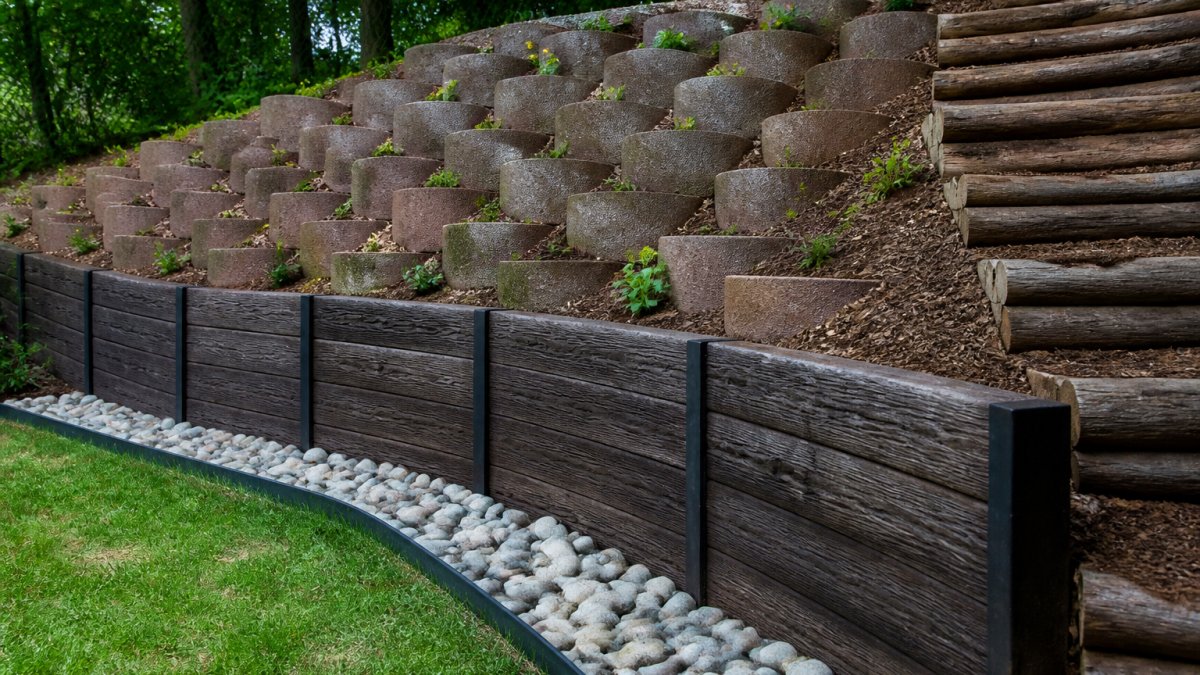
Gabion baskets are wire cages filled with rocks that function like retaining walls but offer superior drainage compared to solid concrete. Water passes through the rocks and wire structure, reducing hydrostatic pressure and preventing freeze-thaw failures. Gabions are modular, can be stacked to various heights (up to 10-15 feet with proper engineering), and are stacked on a compacted base and wired together with filter fabric to prevent soil washout.
Combining Complementary Solutions
Vegetation, riprap, and gabions are most effective when layered with primary drainage methods. For example:
- Vegetation + grading: Plant native species on a regraded slope to reinforce stability and improve infiltration.
- Riprap + French drain: Use riprap to slow water on a steep slope while a French drain upslope intercepts groundwater.
- Gabion + vegetation: Stack gabions to create a retaining structure, then plant vegetation to stabilize soil.
- All three + swale: Use a swale to collect surface water, riprap to stabilize banks, vegetation to reinforce banks, and a French drain to manage subsurface water.
Choosing the Right Solution for Your Yard
Selecting the best retaining wall alternatives requires assessing slope, soil, water volume, and space constraints.
Step 1: Assess Your Slope Angle and Available Space
Slope steepness determines which solutions are practical. Measure vertical drop over horizontal distance (e.g., 2-foot drop over 10 feet = 20% slope). Gentle slopes (under 10%) often need only landscape grading, swales, or dry creek beds. Moderate slopes (10-25%) benefit from French drains, riprap, vegetation, and grading.
Available space is equally critical. A functional swale requires 4-8 feet of width and runs the length of the slope. A French drain trench occupies 2-3 feet of width but can run along property edges. Dry creek beds need 3-6 feet of width depending on design.
Step 2: Identify Your Soil Type and Drainage Rate
Soil composition determines how quickly water infiltrates and whether subsurface solutions are necessary.
- Sandy or loamy soil (good drainage): Water infiltrates readily. Landscape grading, swales, and vegetation often solve the problem without subsurface intervention. French drains are less critical unless you're managing significant runoff volume from roofs or uphill sources.
- Clay soil (poor drainage): Water sits on the surface or moves slowly underground. French drains are nearly essential because surface solutions alone won't prevent pooling. Grading helps direct water toward the French drain inlet. Swales work but require careful design to prevent standing water within the swale itself. Vegetation with deep roots (switchgrass, prairie blazing star) improves infiltration over time but takes 1-2 growing seasons to establish.
- Compacted or fill soil (variable drainage): Common on new construction or disturbed sites. Compacted soil sheds water like concrete. Regrading with soil amendment (adding compost or sand to improve structure) combined with a French drain is often necessary. Vegetation alone won't solve the problem quickly.
For a percolation test, dig a 12-inch hole, fill with water, and measure drain time. Under 4 hours = good drainage; 4-12 hours = moderate; over 12 hours = poor drainage requiring subsurface solutions.
Step 3: Quantify Water Volume and Source
Water volume determines whether a simple solution suffices or whether you need multiple techniques working together.
- Light seepage or poor infiltration (no visible pooling, just damp soil): Vegetation, riprap, or shallow grading adjustments often resolve the issue. A French drain may be overkill unless the area is near a foundation.
- Moderate pooling (water collects after rain but drains within 24 hours): Landscape grading combined with a swale or shallow French drain handles this. The water source is typically surface runoff or slow groundwater seepage.
- Significant standing water (pools remain for days or water appears in the same spot after every rain): You're dealing with either high groundwater, a perched water table, or substantial runoff volume. A French drain at depth (2-4 feet) is usually necessary. Grading alone won't solve it. Consider the water source: if runoff is coming from a roof, driveway, or uphill neighbor's property, a swale or grading can intercept it before it reaches the problem area.
- Seasonal high water or spring seepage: Groundwater rises seasonally in many regions. A French drain installed below the seasonal water table prevents this. If seepage appears only in spring, a shallow drain (12-18 inches) may suffice. If it persists year-round, dig deeper.
A 2,000-sq-ft roof in a 40-inch rainfall region generates roughly 50,000 gallons per year. If that water drains to one yard corner, grading and a swale are essential to prevent pooling.
Step 4: Consider Maintenance Tolerance and Long-Term Durability
Each solution has different maintenance demands and lifespans.
- Grading: No ongoing maintenance if properly compacted. Lasts indefinitely unless soil settles (rare with professional work). Best for low-maintenance properties.
- French drains: Minimal maintenance if installed correctly with proper filter fabric and outlet. Lasts 30+ years. Requires occasional inspection of the outlet to ensure it's not clogged. Best if you can access the outlet for cleaning.
- Swales: Require annual vegetation management (mowing, weeding, debris removal). Vegetation needs 1-2 seasons to establish. Lasts indefinitely with maintenance. Best for homeowners willing to manage a landscape feature.
- Dry creek beds: Require occasional raking and rock rearrangement after heavy storms. Vegetation management if planted. Lasts indefinitely. Best for homeowners who view it as a landscape feature, not just a drainage tool.
- Vegetation alone: Takes 1-2 growing seasons to establish. Requires watering during establishment and occasional maintenance. Works long-term but is slow to solve active problems. Best combined with grading or drainage for immediate results.
Step 5: Combine Solutions for Maximum Effectiveness
The most effective drainage strategies layer multiple techniques. For example:
- For a sloped yard with clay soil and moderate pooling: Regrade to establish a 2-3% slope away from the problem area, install a French drain at the base of the slope to intercept groundwater, and plant native vegetation along the French drain line to stabilize soil and improve long-term infiltration.
- For a flat yard with poor drainage: Install a French drain with a sump pump to move water mechanically, or create a shallow swale (1-2% grade) to collect and slowly infiltrate surface water.
- For a steep slope with erosion: Use riprap or gabions to slow water velocity, plant deep-rooting vegetation to stabilize soil, and install a French drain upslope to intercept groundwater before it reaches the erosion zone.
- For a small lot with limited space: Prioritize a French drain (narrow footprint, invisible) combined with grading to direct surface water toward the drain inlet.
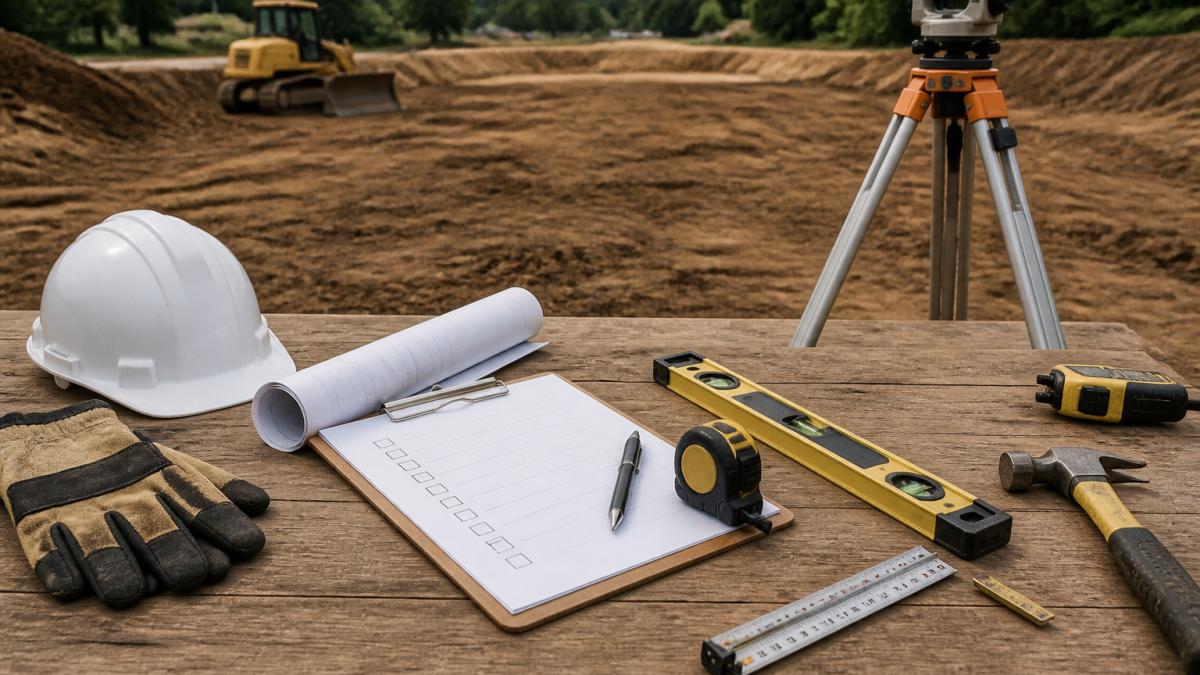
A site assessment measuring slope, testing soil drainage, estimating water volume, and identifying constraints informs a tailored solution that addresses your drainage challenge cost-effectively.
Frequently Asked Questions
What can I use instead of a concrete retaining wall?
Several alternatives work well for yard drainage and erosion control. Landscape grading reshapes your yard to redirect water naturally. French drains install underground perforated pipes to manage subsurface water. Swales create shallow channels that guide runoff away from problem areas. Dry creek beds combine aesthetics with function. Riprap, boulders, and native vegetation also stabilize slopes and reduce erosion. The best choice depends on your slope severity, soil type, water volume, and budget.
Can a French drain replace a retaining wall?
A French drain for yard drainage handles subsurface water well but may not replace a retaining wall on steep slopes. French drains work best when erosion and runoff come from surface water or groundwater seepage. On steep slopes or where soil stability is the primary concern, grading, vegetation, or structural solutions work better. Many yards benefit from combining a French drain with landscape grading or native plants for complete drainage management.
Is a swale or a French drain better for yard drainage?
Both serve different purposes. A swale for yard drainage handles visible surface water and heavy rain by channeling runoff across your landscape. A French drain manages subsurface groundwater and seepage. Swales work best on moderate slopes with adequate space. French drains suit smaller yards or areas where underground water is the issue. Many properties benefit from using both: a swale redirects surface water while a French drain manages groundwater beneath.
What is the most affordable alternative to a concrete retaining wall?
Landscape grading for drainage is often the most cost-effective option because it requires no materials, just proper reshaping of existing soil. Native plants and vegetation cost less than structures and improve drainage over time. Dry creek beds using locally available stone fall in the mid-range. Riprap and boulders are inexpensive if sourced locally. Gabion baskets and French drains require more labor and materials. Your final cost depends on slope size, soil conditions, and whether professional installation is needed.