 how-to
Small Residential Land Grading Services: 2026 Guide
Table of Contents
- What Small Residential Land Grading Services Actually Do
- How to Fix Backyard Muddy Spots Before They Worsen
- Residential Drainage Solutions That Protect Your Foundation
- Cost of Land Grading Per Square Foot: What Drives the Price
- DIY vs. Professional Grading: When to Call a Contractor
- Soil Compaction and Why It Matters for Small Lots
- Permits and Local Rules for Residential Grading
- Post-Grading Maintenance: Keeping Water Flowing Away
- Frequently Asked Questions
Last Updated: September 12, 2026
What Small Residential Land Grading Services Actually Do
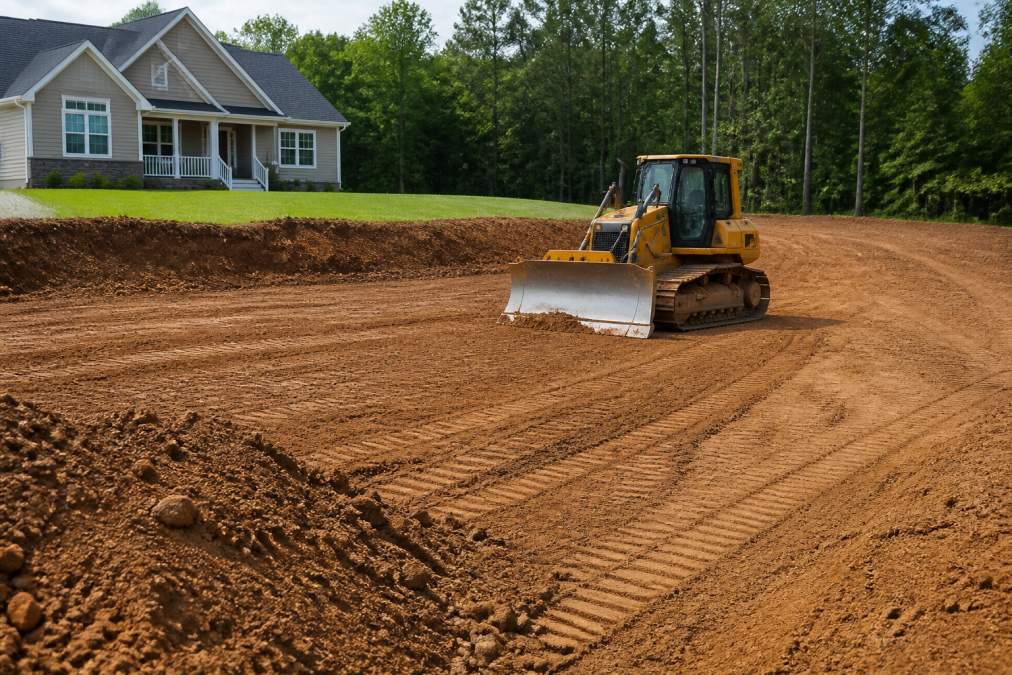
Small residential land grading services reshape a property's surface to direct water away from the foundation, create usable flat areas, and prep the ground for construction or landscaping, combining site assessment, excavation, slope correction, and soil compaction.
At OCAS Residential, we handle lots of every size, from a single problem corner to full acreage prep. The scope usually includes:
- Land clearing and rough grading to establish the base elevation
- Precision grading for new construction pads and foundation prep
- Drainage solutions such as swales, culverts, and retaining walls
- Final grade and compaction to lock in the slope before sod or hardscape goes down
The goal is a finished grade that moves water where you want it, not just a yard that looks flat.
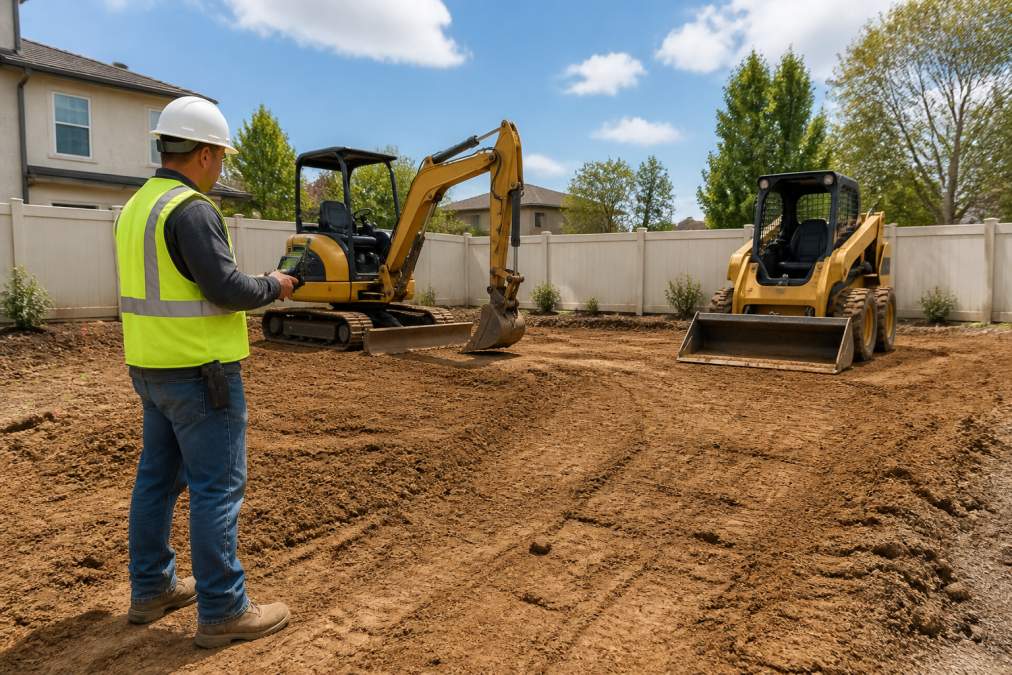
How to Fix Backyard Muddy Spots Before They Worsen
Backyard muddy spots almost always trace back to a low point where water collects with nowhere to drain. Fixing them means correcting the slope, not just adding dirt on top, and the fix depends heavily on your soil, which most guides skip.
Start With the Soil, Not the Slope
Before buying topsoil, dig a test hole about 12 inches deep and squeeze a handful of soil. How it behaves tells you what you're dealing with:
- Heavy clay: holds a tight ribbon, drains slowly, and stays soggy for days. Water pools because it can't percolate, and clay shrinks and cracks when dry, so a grade built on it can shift seasonally.
- Sandy loam: crumbles, drains fast, rarely holds standing water. If sandy soil still gets muddy, the grade almost always pitches the wrong way.
- Silt: smooth and floury when wet, erodes easily, crusts when dry. It's the most erosion-prone of the three and needs vegetation or armoring to stay put.
- Compacted fill: on lots built on fill dirt, the top layer can be so dense water can't move through it, common on newer subdivisions and a frequent hidden cause of recurring mud.
A percolation test tells you how fast your soil drains: dig a foot-deep hole, fill it, let it drain, refill, and time the second fill. Slow drainage means clay or compaction; fast drainage means a slope problem.
The Three-Step Fix
Dumping a few bags of topsoil on the wet patch only raises the low spot temporarily, the next heavy rain finds a new path. The durable fix has three steps:
- Find the source. Runoff from a downspout, a neighbor's higher lot, a natural depression, or groundwater? Surface water and groundwater need different fixes, a swale for the first, a subsurface drain for the second.
- Establish a positive slope. The ground must fall away from the house at a consistent pitch. A common target is roughly a 6-inch drop over the first 10 feet from the foundation, then a gentler fall. Exact pitch depends on soil and local code.
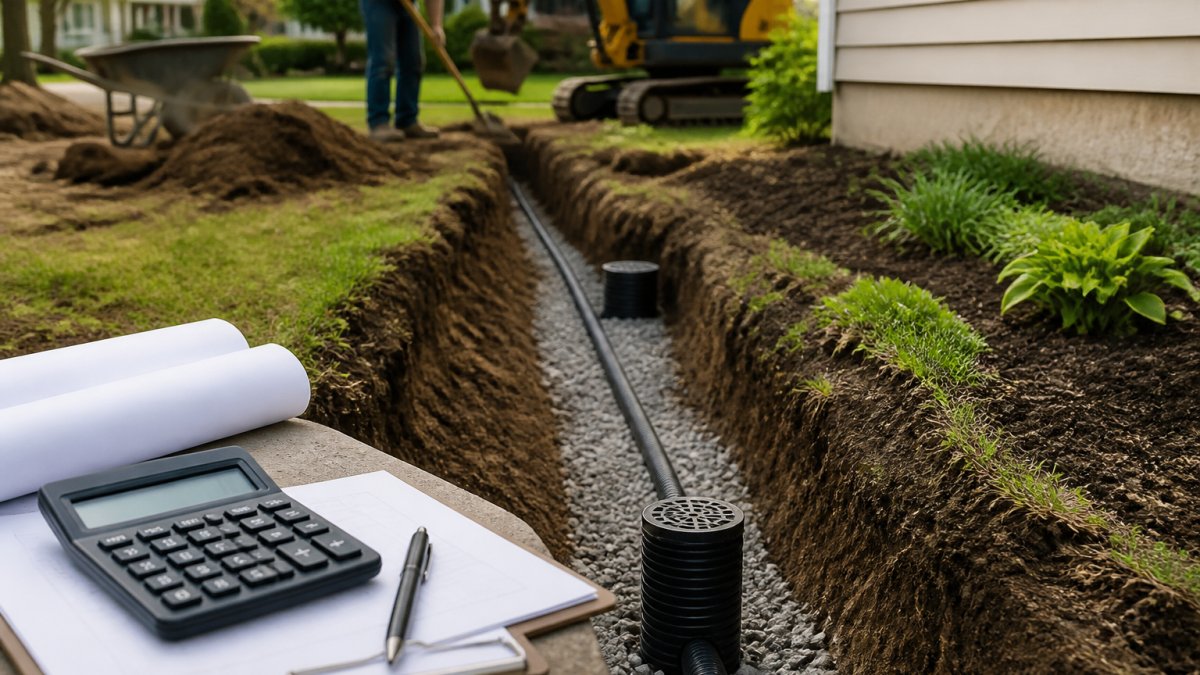
- Add a drainage path. A shallow swale or French drain carries water to a safe discharge point. On clay, a French drain needs a gravel envelope and filter fabric or the pipe silts up within a season or two.
Why the Mud Keeps Coming Back
If mud returns every season, the grade is wrong or the soil can't drain. Regrading solves the cause, not the symptom. Two patterns worth knowing:
- Water that reappears in the same spot after every storm usually means the discharge point is too close or the swale is undersized for the volume.
- Water that shows up days after rain stops usually means groundwater, not surface runoff, and points to a subsurface drain rather than more grading.
Residential Drainage Solutions That Protect Your Foundation
Residential drainage solutions keep water away from the foundation, and the right one depends on how water moves across your lot. Standing water against a foundation wall is a leading cause of basement seepage and structural cracks.
The main options:
- Surface grading and swales: shallow channels that redirect runoff across the surface
- French drains and subsurface drains: buried perforated pipe that captures groundwater before it reaches the house
- Catch basins and culverts: collection points that move large volumes of stormwater
- Retaining walls: hold back higher ground on sloped lots and control erosion
Stormwater management is regulated in many jurisdictions, and the EPA's stormwater program guidance outlines how runoff should be handled to protect both your property and local waterways. A licensed contractor will match the solution to your lot's topography rather than applying a one-size-fits-all fix.
Cost of Land Grading Per Square Foot: What Drives the Price
The cost of land grading per square foot varies widely because no two lots are alike. Pricing depends on square footage, access, soil type, and how much earthwork is required.
Rather than quote a single number, it helps to understand the factors that move the price up or down:
| Cost Factor | What Raises the Price | What Lowers It |
|---|---|---|
| Lot size | Larger square footage to grade | Small, contained problem areas |
| Access | Tight gates, steep driveways | Open, easy equipment access |
| Soil condition | Heavy clay, rock, poor compaction | Clean, workable soil |
| Drainage scope | Swales, culverts, retaining walls | Simple slope correction |
| Site prep | Land clearing and debris hauling | Clear, ready site |
Because these variables swing so much, most contractors price per project after a site survey. OCAS Residential provides a free estimate after walking the property, so you get a number tied to your actual lot.
DIY vs. Professional Grading: When to Call a Contractor
DIY grading makes sense for minor cosmetic leveling, but anything involving drainage, foundation protection, permitting, or new construction needs a professional assessment. The dividing line is water, and paperwork.
A Quick Self-Assessment Checklist
Walk your lot and answer these five questions. Two or more 'yes' answers usually means it's time to call a contractor:
- Does water pool within 10 feet of the foundation? A puddle lingering more than a day is a warning sign.
- Has the lot been regraded before and the problem returned? Repeat failures mean the underlying drainage was never fixed.
- Does the fix require moving more than a few cubic yards of soil? Hand tools stop being practical fast, a cubic yard of soil weighs roughly a ton.
- Will the work change where water leaves your property? Redirecting runoff toward a neighbor's lot or a storm system can trigger permits and liability.
- Is there a structure, foundation, retaining wall, driveway, or septic field, within the work zone? Anything load-bearing needs compaction testing, not guesswork.
What You Can Realistically Handle Yourself
- Filling shallow dips (under about 2 inches) with topsoil and compacting by hand
- Re-seeding a patch where grass died from temporary pooling
- Extending a downspout to move roof runoff farther from the house
- Rebuilding a mulch berm or reshaping a planting bed that's a few inches off
These are cosmetic fixes that buy time but don't correct a drainage problem.
What Needs Equipment, Expertise, and Often a Permit
- Correcting a slope that pitches toward the foundation
- Cutting swales or installing subsurface drains
- Grading for a new home pad or foundation
- Any job requiring excavation, compaction testing, or a site survey
- Any project that changes the volume or direction of stormwater leaving your lot
That last item is the one homeowners miss most. Many municipalities require a grading or drainage permit when a project alters runoff patterns, moves earth above a threshold, or sits near a protected area or waterway. Erosion control is often a permit condition, and inspectors may check for silt fencing or stabilized entrances before signing off.
The Liability Angle Most Guides Skip
If your regrading sends water onto a neighbor's property and damages their foundation, driveway, or landscaping, you can be held responsible, even if a contractor you hired did the work. The permit trail and a licensed, insured contractor shift that risk onto a business with the right coverage; a cash crew leaves you holding the liability.
Renting a mini excavator and guessing at the slope is a common mistake. Without a grade laser and a plan for where water goes, DIY regrading often creates a new low point elsewhere. If water is the problem, hire someone who grades for drainage daily.
EPA construction stormwater resources
Soil Compaction and Why It Matters for Small Lots
Soil compaction determines whether your new grade holds up or settles within a year. Loose fill dirt, however well shaped, sinks and shifts once wet.
Compaction removes air pockets so soil bears weight and resists water movement. On small lots this matters more, not less, a settling pad can't fail without affecting the foundation or driveway.
A few practical points most guides skip:
- Fill should be placed in lifts, typically a few inches at a time, and compacted between each layer
- The sub-base under a driveway or patio needs denser compaction than a planting bed
- Heavy clay soil compacts differently than sandy loam, so the method changes with the material
- Proper compaction now prevents the sunken spots and cracked slabs that show up later
If a contractor grades your lot without addressing compaction, expect callbacks. It's the invisible half of the job.
Permits and Local Rules for Residential Grading
Permits and local rules for residential grading vary by jurisdiction, and many homeowners are surprised a grading project can require approval. Rules typically kick in when a project changes drainage patterns, moves a certain volume of earth, or sits near a protected area.
Before any significant earthwork, check:
- Whether your municipality requires a grading or drainage permit
- Setback and lot-coverage limits that affect retaining walls
- Erosion control requirements during construction
- Stormwater rules for where runoff can discharge
The EPA's construction stormwater resources explain why these rules exist: uncontrolled runoff carries sediment into storm systems and waterways. A licensed contractor will know the local requirements and pull the right permits, which protects you from fines and forced rework.
Post-Grading Maintenance: Keeping Water Flowing Away
Post-grading maintenance keeps a good grade working for years instead of months. New grades settle, vegetation changes, and drainage paths clog, so a little upkeep protects the investment.
What to watch after grading:
- Recheck the slope after the first heavy rain season and note any new pooling
- Keep swales and drains clear of leaves, mulch, and sediment
- Re-seed or sod bare areas quickly so roots stabilize the new grade
- Watch for erosion at discharge points and add riprap or gravel if needed
- Inspect retaining walls for leaning or gaps that signal water pressure buildup
Most returning grading problems come from a clogged drain or eroded slope, not bad original work. A quick seasonal walk-around catches these early.
The USDA Natural Resources Conservation Service publishes guidance on erosion control and soil stabilization that's useful for anyone maintaining a graded lot.
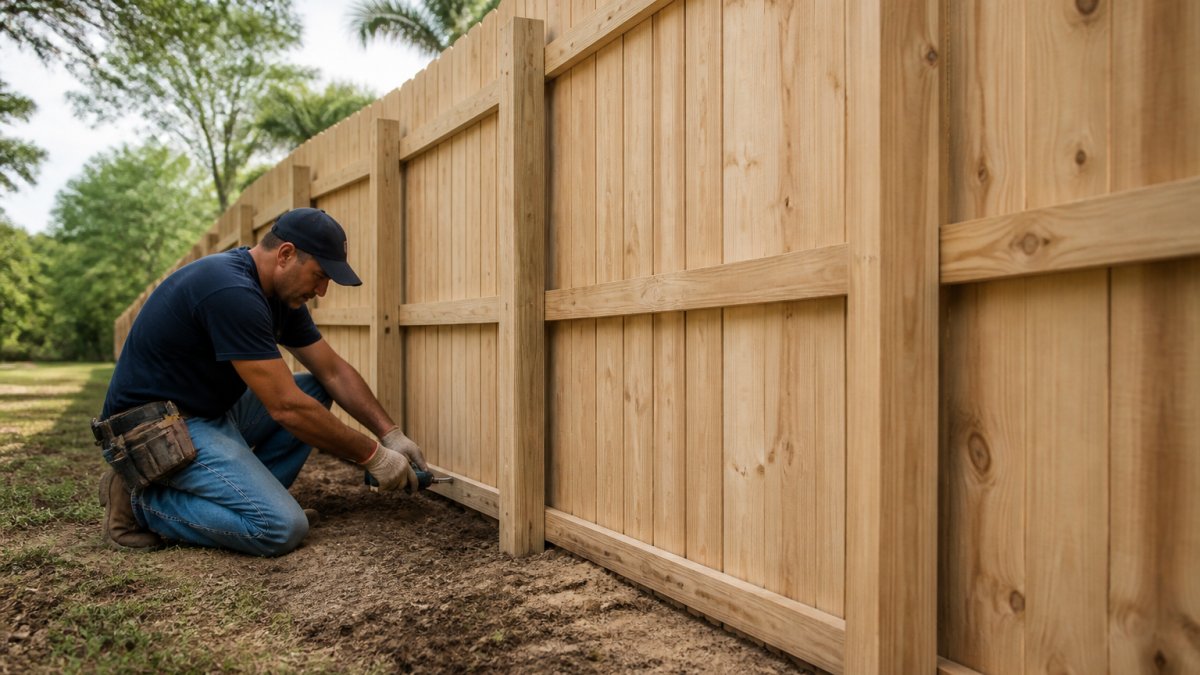
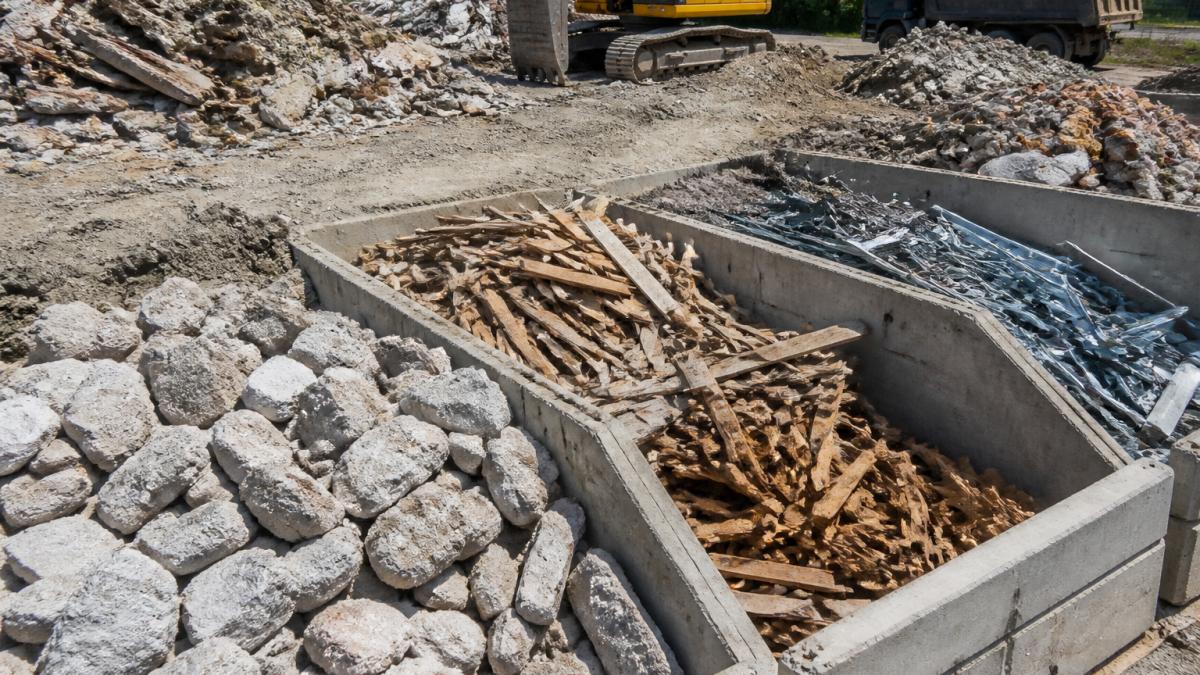
Water always finds the low spot, and on a small residential lot there's no margin for a grade that sends it toward the foundation instead of away. OCAS Residential handles the full scope: professional land leveling and grading, precision site prep for new construction, complete site cleanup and debris hauling, plus custom fence and gate installation if you want the whole outdoor space finished in one pass. Get started with OCAS Residential and schedule a free estimate to put your lot on solid, dry ground.
Frequently Asked Questions
How much does it cost to grade a small residential lot?
Most small residential land grading services price by square footage, and the cost of land grading per square foot depends on slope, soil conditions, access, and whether drainage features like swales or French drains are needed. A flat quarter-acre lot with easy access costs less per square foot than a sloped lot with heavy clay. OCAS Residential provides free estimates so you get a clear number based on your specific property, not a generic range.
What is the difference between rough grading and finish grading?
Rough grading moves large amounts of soil to establish the basic slope and elevation, often done early in construction. Finish grading is the final pass that sets the exact grade for drainage, landscaping, and hardscapes. For small residential land grading services, both stages matter: rough grade prevents water from pooling near the foundation, while finish grade ensures your yard drains correctly after sod or seed is installed.
Can I grade my own backyard or do I need a professional?
You can handle small adjustments with a shovel and rake, but correcting drainage issues usually requires a professional. Compact track loaders and laser levels let contractors achieve precise slopes that hand tools cannot match. If water pools near your foundation or your yard stays muddy for days after rain, call a pro. OCAS Residential takes on small residential jobs and can assess whether a simple regrade or a full drainage solution is needed.
Does land grading require a permit?
Permit rules vary by city and county. Grading that changes drainage patterns, adds fill, or disturbs protected areas often requires a permit, while minor regrading of an existing lawn may not. Before hiring small residential land grading services, ask the contractor if they handle permits or if you need to pull one. OCAS Residential can guide you through local requirements during your free estimate.