 ultimate-guide
Residential Property Debris Removal: A Complete Guide
Table of Contents
- What Residential Property Debris Removal Services Include
- How the Debris Removal Process Works
- Cost of Yard Waste Removal and Pricing Factors
- Construction Debris Disposal: What to Expect
- Land Clearing and Debris Hauling for Property Restoration
- DIY vs. Professional Debris Removal: Cost-Benefit Analysis
- How to Schedule Your Debris Removal Service
- Eco-Friendly Disposal and Legal Compliance
- Frequently Asked Questions
Last Updated: September 19, 2026
What Residential Property Debris Removal Services Include
Residential property debris removal services handle the full spectrum of unwanted materials cluttering your property. These services go far beyond simply hauling away trash, they manage everything from household clutter and furniture to construction waste, yard debris, and demolition materials.
What gets removed depends on your specific situation. Common items include old appliances, broken furniture, tree branches and brush, drywall and wood from renovations, concrete and masonry from demolition work, roofing materials, and general household junk accumulated over years. Professional debris removal services take on the labor-intensive work of sorting, loading, and disposing of these materials responsibly.
The key difference between professional debris removal and a regular trash pickup is scope and labor. You're not just paying for disposal, you're paying for a crew to come to your property, assess what needs to go, load it themselves, and haul it away. This matters because some materials require special handling. Appliances contain refrigerants and other hazardous materials that can't go in a standard landfill (the EPA). Construction debris often gets recycled or diverted from landfills entirely. Yard waste follows different disposal rules than household items.
Professional debris removal services handle the physical burden while ensuring materials are disposed of legally and responsibly.
How the Debris Removal Process Works
The debris removal process typically follows a straightforward sequence. A crew arrives at your property, assesses what needs to be removed, loads everything into their truck, and hauls it away for proper disposal or recycling.
The first step is always a site assessment. The crew walks your property and identifies all materials that need removal. This is where experience matters, they'll spot items you might have forgotten about, assess whether anything can be donated or recycled, and determine how many trips or trucks they'll need. A small residential cleanout might fit in one load. A full property restoration after construction could require multiple trips.
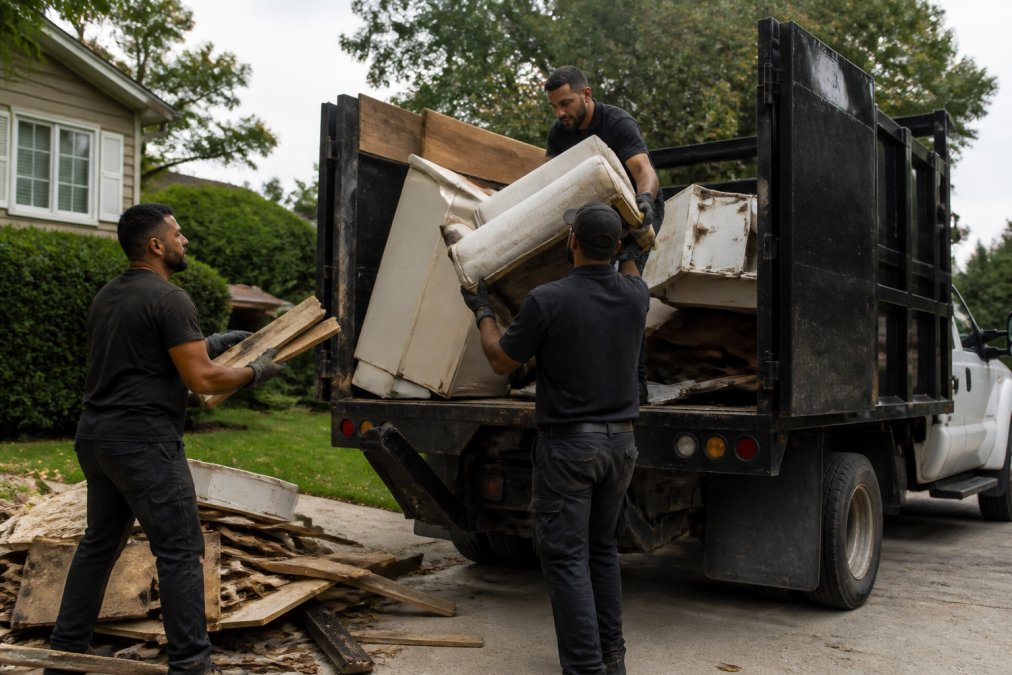
Loading is where the labor-intensive nature of professional removal becomes clear. The crew handles all heavy lifting. They navigate tight spaces, protect your property from damage, and load materials efficiently to maximize truck space. This is the work that makes DIY removal so exhausting, and why many homeowners decide professional services are worth the cost.
Once loaded, materials go to appropriate disposal facilities. Construction debris often goes to recycling centers where wood, metal, and concrete are separated and reused. Appliances go to specialized recycling facilities that safely extract hazardous materials. Yard waste gets composted or chipped. General household items might be donated if they're still usable, or sent to landfills if they're not.
The entire process usually takes a few hours for smaller jobs. Larger projects might span multiple days. Scheduling flexibility matters here, good debris removal services work around your timeline, not the other way around.
Cost of Yard Waste Removal and Pricing Factors
The cost of yard waste removal and pricing factors vary significantly based on several variables. Unlike a fixed utility bill, debris removal pricing depends on what you're removing, how much you have, and how accessible it is.
The primary pricing driver is volume. Debris removal companies typically charge based on how much truck space your materials occupy. A half-truck load costs less than a full truck. This is why getting an accurate estimate requires someone to see your property, they need to judge volume, not just hear a description.
The type of materials matters too. Yard waste removal is often simpler and less expensive than construction debris disposal, which requires special handling and specific disposal facilities. Hazardous materials like old paint, batteries, or appliances with refrigerants cost more to dispose of properly. Some companies charge extra for these items; others include them in their standard pricing.
Accessibility affects labor time and cost. Materials stacked neatly in your driveway take less time to load than items scattered across a large property or stored in a basement. If crews need to navigate tight spaces, stairs, or cluttered pathways, labor time increases and pricing goes up.
Timing can influence pricing too. Same-day or next-day service typically costs more than scheduling a week out. Seasonal demand matters, spring cleanup season is busier than winter, so prices may be higher when everyone's cleaning up at once.
For accurate pricing on your specific project, contact debris removal services directly for a free estimate. They'll assess your property and provide transparent pricing based on your actual situation rather than generic averages.
Construction Debris Disposal: What to Expect
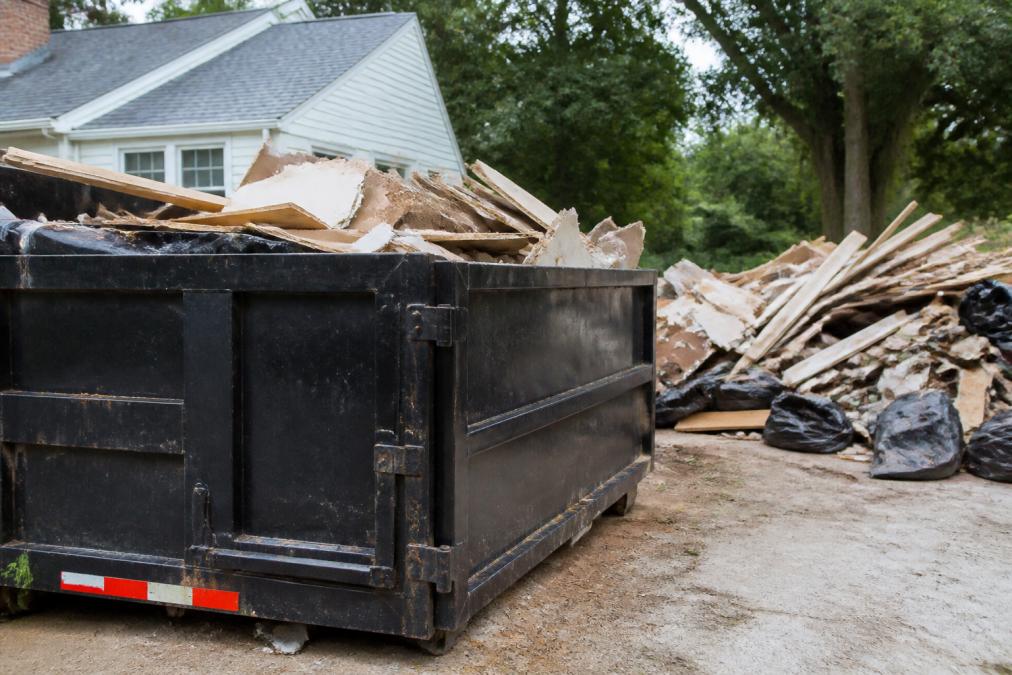
Construction debris disposal requires different handling than household junk removal. Construction waste includes drywall, wood framing, concrete, roofing materials, insulation, and metal fixtures, materials that don't belong in a standard residential trash pickup.
The disposal process starts with separation. Recyclable materials like wood, metal, and concrete get diverted to recycling facilities where they're processed and reused in new construction or manufacturing. Non-recyclable construction waste goes to permitted disposal facilities designed to handle this material type.
Regulatory compliance is stricter with construction debris. Certain materials can't be landfilled, they must be recycled. Hazardous materials like asbestos, lead paint, or old insulation require certified disposal. Professional debris removal services know these rules and handle compliance so you don't have to.
The volume of construction debris often exceeds what a single truck can handle. A major renovation might generate enough waste for multiple hauls. Some companies offer roll-off dumpsters for multi-day projects where debris accumulates during the work. Others schedule multiple pickups. The approach depends on your project timeline and property constraints.
Cost for construction debris disposal typically runs higher than general household junk removal because of specialized handling and regulatory requirements. Getting a detailed estimate that breaks down labor, hauling, and disposal fees helps you understand where your money goes.
Land Clearing and Debris Hauling for Property Restoration
Land clearing and debris hauling for property restoration addresses larger-scale projects where entire sections of property need clearing. This goes beyond routine cleanups, it's about transforming unusable land into functional space.
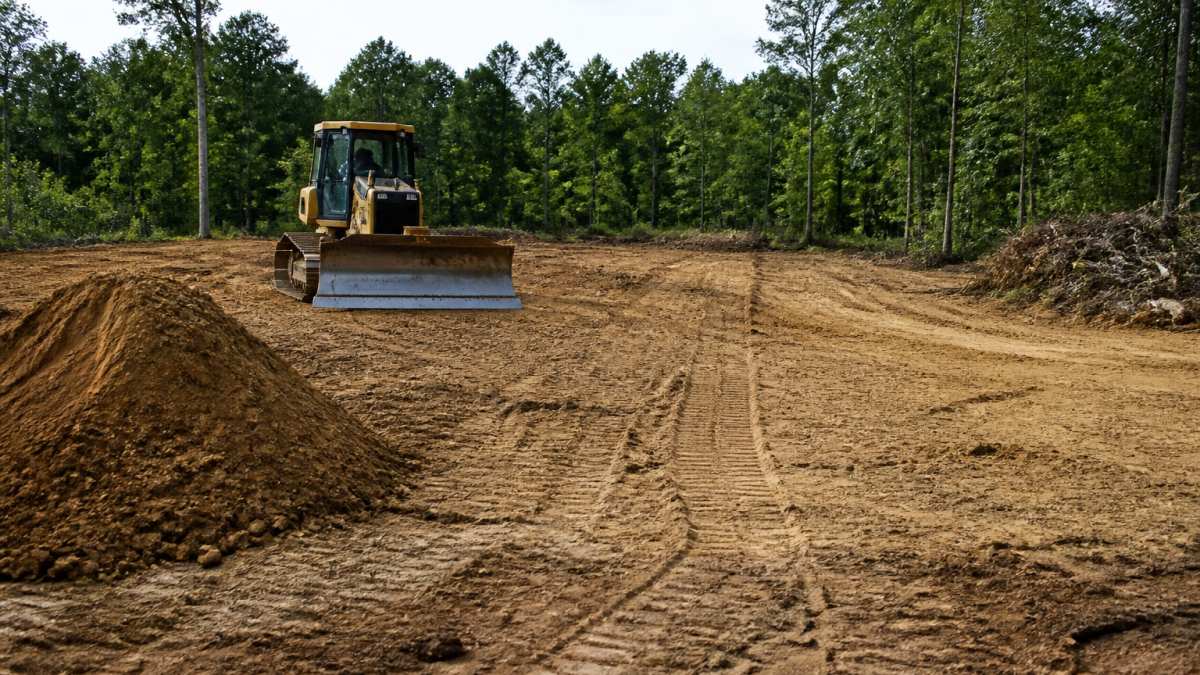
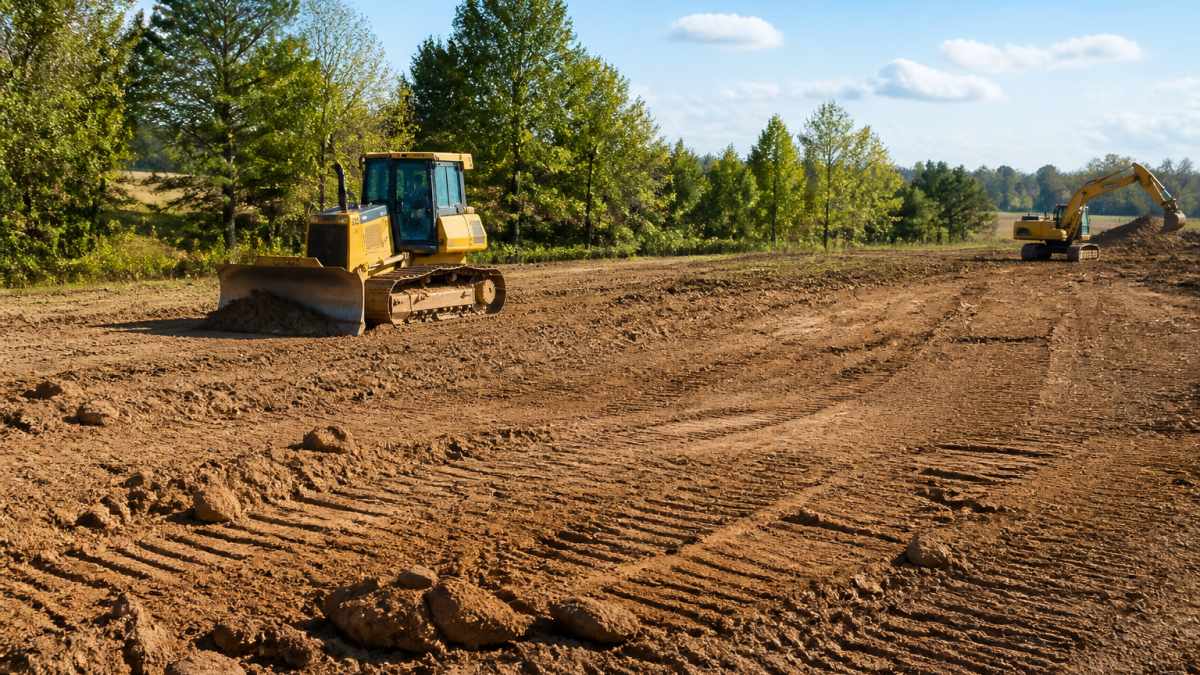
Land clearing removes trees, brush, stumps, rocks, and accumulated debris from overgrown areas. The goal is to prepare the property for landscaping, construction, or simply to restore access and usability. This work is physically demanding and requires equipment beyond standard debris removal trucks.
Debris hauling in a restoration context means removing everything cleared from the land. Brush and branches get chipped or hauled to composting facilities. Stumps and wood get recycled or burned at appropriate facilities. Rocks and soil amendments get salvaged if possible. The process is more selective than routine junk removal because restoration projects often have specific goals about what gets reused.
Professional land clearing and debris hauling services assess your property's condition, identify what needs removal, plan the most efficient approach, and execute the work while protecting remaining landscape features. A poorly done clearing job can damage soil structure, remove valuable topsoil, or create erosion problems. Professional work ensures the cleared land is actually ready for its next use.
OCAS Residential specializes in land clearing combined with precision grading and drainage solutions, ensuring your property is properly prepared for restoration or new landscaping.
DIY vs. Professional Debris Removal: Cost-Benefit Analysis
The DIY versus professional debris removal decision often comes down to hidden costs that DIY approaches don't account for. The rental truck or dumpster is just the beginning.
DIY removal requires renting equipment, a dumpster, truck, or both. You pay per day, and projects often take longer than expected. You're responsible for loading everything yourself, which is physically exhausting and risks injury. You need to know where to take different materials, some recycling centers won't accept certain items, hazardous materials require specific facilities, and getting it wrong means wasted trips.
The hidden costs of DIY add up quickly. A back injury from lifting heavy items costs far more than professional labor. A rental truck that sits an extra day because your project took longer than planned costs money. Dumping fees at multiple facilities add up. Your time has value too, a weekend of hard physical labor is time you're not spending on other priorities.
Professional debris removal handles all of this. The crew does the heavy lifting, knows where to take everything, manages hazardous materials properly, and completes the job in hours rather than days. You pay one price and the work is done.
The cost-benefit calculation shifts based on your situation. Small cleanouts with lightweight items might make DIY feasible. Large projects with heavy materials, hazardous items, or significant volume almost always favor professional services. Your physical ability, available time, and access to proper disposal facilities all factor into the decision.
For most homeowners, professional debris removal saves money when you account for time, physical risk, and disposal logistics. The convenience and peace of mind often justify the investment.
How to Schedule Your Debris Removal Service
Scheduling your debris removal service is straightforward, though the exact process varies by company. Most professional services follow a similar pattern: contact, assessment, estimate, and scheduling.
Start by contacting debris removal services in your area.
Eco-Friendly Disposal and Legal Compliance
Eco-friendly disposal and legal compliance have become central to professional debris removal services. Responsible companies prioritize landfill diversion and proper material handling.
Frequently Asked Questions
How much does residential property debris removal typically cost?
Pricing for debris removal depends on the volume of materials, type of debris, distance to disposal facilities, and labor required. Yard waste removal, construction debris, and household clutter may be priced differently. Contact OCAS Residential for a free estimate tailored to your specific project. Most providers offer volume-based or project-based pricing models.
What types of materials are included in residential debris removal?
Professional debris removal services handle yard waste, construction debris, demolition materials, furniture, appliances, household clutter, brush and branches, and general junk. However, hazardous materials like asbestos, lead paint, or chemicals require specialized disposal. Confirm with your provider which materials they accept before scheduling.
Is debris removal covered by homeowners insurance?
Most standard homeowners insurance policies do not cover debris removal costs. However, if debris results from a covered event like a storm or fire, some policies may include debris removal coverage. Review your policy or contact your insurance agent to understand your specific coverage. Professional debris hauling is typically an out-of-pocket expense.
How do I prepare my property for professional debris hauling?
Clear access paths for the removal crew and their equipment. Mark or separate debris piles by type if possible. Ensure parking space is available for the truck. Remove any hazardous materials beforehand and inform the crew of any special handling needs. A site assessment by your debris removal provider helps identify any obstacles or safety concerns before work begins.