 blog
Noblsitework vs Gator Land Management: Site Work
Table of Contents
- Noblsitework vs Gator Land Management: What Each Brings to Site Work
- Feature Comparison: Capabilities, Equipment, and Project Scope
- Stormwater Management for Residential Lots: Grading and Drainage
- Residential Site Preparation Costs: What Moves the Estimate
- Hiring a Licensed Site Work Contractor vs Managing Multiple Vendors
- Which Site Work Provider Fits Your Project?
- Schedule a Free Estimate With OCAS Residential
- Frequently Asked Questions
Last Updated: September 7, 2026
Noblsitework vs Gator Land Management: What Each Brings to Site Work
Choosing between two site work contractors often comes down to how they handle the full sequence of land development tasks, from lot clearing to final pad grading. For homeowners comparing Noblsitework vs Gator Land Management, the real distinction lies in project scope, equipment capabilities, and whether you need a single vendor for the entire job. At OCAS Residential, we evaluate these providers against the practical demands of residential construction, where coordination and drainage planning determine long-term property performance. Site work is the foundation of any build, and getting the sequence wrong means costly rework later.
The most important insight is that neither provider wins universally. Noblsitework tends to excel in civil construction scale, while Gator Land Management focuses on clearing and hauling. Many residential projects fail because homeowners hire separate vendors for clearing, grading, and drainage, creating gaps in responsibility when problems surface.
Feature Comparison: Capabilities, Equipment, and Project Scope
The table below summarizes how these providers typically compare across the service categories that matter most for residential site development.
| Capability | Noblsitework | Gator Land Management | Best For |
|---|---|---|---|
| Land clearing | Large-scale lot clearing | Heavy brush and debris removal | Acreage preparation |
| Grading precision | Pad grading with GPS | Site leveling | Foundation readiness |
| Stormwater management | Drainage systems design | Basic runoff control | Flood-prone lots |
| Demolition services | Full structure removal | Debris hauling | Post-construction cleanup |
| Underground utilities | Civil construction focus | Limited utility work | New developments |
| Project coordination | Single-vendor oversight | Specialized clearing | Minimizing handoffs |
Neither company operates as a full-service residential partner in every category. Noblsitework brings heavier civil construction experience, which helps with underground utilities and large-scale earthwork. Gator Land Management concentrates on clearing efficiency, making them a strong choice when vegetation removal is the primary bottleneck.
Land Clearing and Lot Preparation Approaches
Land clearing starts with a site survey to identify trees, stumps, and debris that require removal. Noblsitework approaches this with production-scale equipment suited for large parcels, while Gator Land Management emphasizes speed in brush and lot clearing. The key difference emerges in site logistics: how each contractor sequences clearing, debris removal, and soil stabilization affects the timeline for subsequent grading work. A common mistake is assuming all clearing contractors handle demolition and hauling equally well, but some specialize in one phase only.
Grading Precision and Subgrade Preparation
Pad grading requires matching the original site topography to the engineered grading specifications for your foundation. Noblsitework's civil construction background typically supports tighter tolerance on subgrade preparation, which matters for slab-on-grade foundations. Gator Land Management offers solid site leveling but may defer precision work to a separate grading contractor.
Stormwater Management for Residential Lots: Grading and Drainage
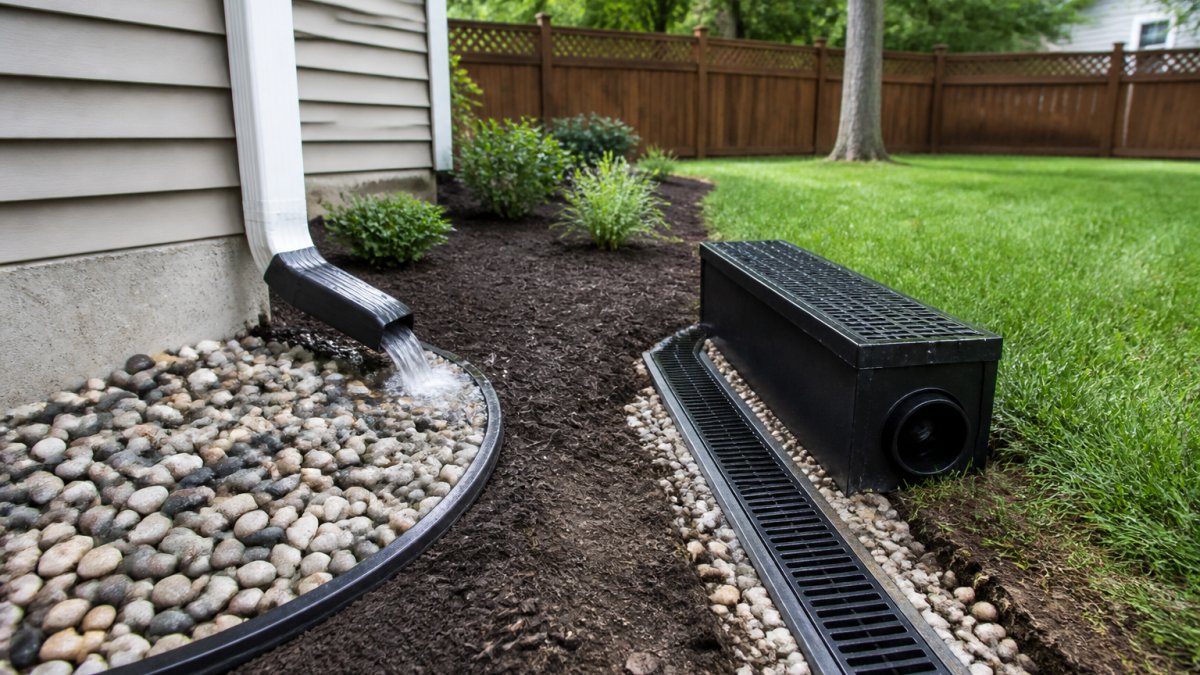
Stormwater management for residential lots hinges on directing runoff away from the foundation while preserving natural drainage patterns. The grading contractor must establish positive slope, install drainage systems, and verify that water flows toward approved discharge points rather than pooling against the structure. Proper grading for drainage is an effective erosion control measure on a residential site, and it must happen before any foundation work begins (the EPA).
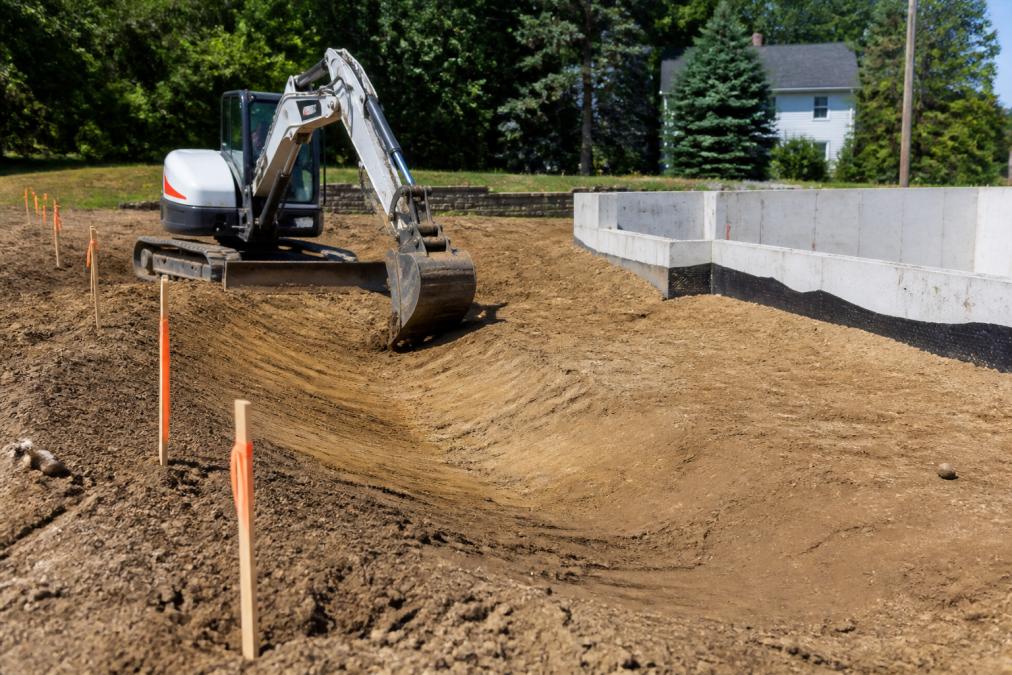
A contractor who understands stormwater management for residential lots will cut swales, install French drains or catch basins, and stabilize soil before rain events. Both Noblsitework and Gator Land Management can move earth, but the critical question is whether they design drainage systems or simply follow a grade sheet. For homeowners with standing water issues, verify that the contractor performs a site survey and models runoff paths before equipment arrives. Erosion control measures such as silt fencing and hydroseeding protect your lot during construction and prevent sediment from leaving the property, which is often a regulatory requirement (the EPA).
Residential Site Preparation Costs: What Moves the Estimate
No top-ranking result for this query explains what actually drives the price of site work. This section provides a neutral framework for estimating and comparing bids.
The Core Cost Drivers, Ranked by Impact
1. Acreage and Tree Density, 2. Cut and Fill Volume, 3. Soil Conditions, Sandy, well-draining soil compacts quickly. Clay-heavy soil, common in the Florida Panhandle, requires moisture conditioning and often multiple passes with a sheepsfoot roller (floridadep.gov).
4. Debris Disposal Distance, Hauling cleared vegetation to a permitted disposal site is a line-item cost that varies by proximity.
5. Permitting and Inspections, ### How to Compare Quotes Without Getting Burned
When you receive two estimates for the same lot, the difference usually comes down to scope, not greed. Use this checklist to normalize bids:
- Does the quote include erosion control installation and maintenance?
- Is compaction testing included or billed per visit?
- What happens if rain delays the schedule? Time-and-materials clauses for weather delays are common; a fixed-price quote that absorbs weather risk is worth a premium.
- Is the debris hauling licensed? Unlicensed haulers undercut pricing by dumping illegally, which can result in fines tied to the property owner.
The most reliable way to estimate your project is to get bids from licensed contractors who visit the site, walk the property lines, and ask about drainage patterns. A contractor who quotes over the phone without a site visit is guessing, and you may pay for that guess in change orders.
Hiring a Licensed Site Work Contractor vs Managing Multiple Vendors
The choice between one site work contractor and multiple specialists is not just about convenience, it is about where legal liability and regulatory responsibility land when something goes wrong.
What "Licensed" Actually Means for Site Work
State law requires a license for contractors performing work valued above a certain threshold, with separate classifications for general contractors and specialty contractors. Site work involving clearing, grading, and drainage typically falls under a general contractor license or a specialty license for earthwork. A contractor who only clears land without touching grading may operate under a less restrictive classification, which is why verifying the license scope matters before hiring.
County-level permitting adds another layer. Grading permits may require submission of a site plan showing existing and proposed contours, drainage patterns, and erosion control measures. The permit holder is responsible for compliance inspections at key phases: after clearing, after rough grading, and after final pad preparation. If you hire separate vendors for clearing and grading, you must determine who holds the permit and who is accountable when an inspector flags a violation.
The Liability Transfer Problem
When you hire a single licensed contractor, that contractor assumes responsibility for the finished subgrade. If drainage issues appear after foundation placement, you have one party to hold accountable. With multiple vendors, disputes over responsibility can arise, and unless you have written contracts with each vendor specifying scope and warranty, you may have no recourse at all.
A written contract with a single contractor should include:
- Scope of work referencing the approved grading plan and permit number
- Warranty language covering settlement or drainage failures for a defined period (typically 1-2 years)
- Insurance requirements naming you as an additional insured on the contractor's general liability policy
- Change order procedures requiring written approval before any deviation from the plan
When Multiple Vendors Make Sense
There is one scenario where splitting the work is rational: when you need a highly specialized clearing contractor for a heavily vegetated lot and a separate grading contractor with GPS-equipped machinery for precision pad work. In that case, act as your own general contractor and hold each vendor to a written scope with defined handoff criteria. Schedule a joint site walk before the clearing contractor demobilizes, and have the grading contractor document existing conditions in writing. That documentation becomes your evidence if disputes arise.
Before signing with either Noblsitework or Gator Land Management, ask for their license number, verify it against the state database, and request a copy of their certificate of insurance naming you as an additional insured. Those two documents do more to protect your project than any verbal assurance about quality or experience.
Which Site Work Provider Fits Your Project?
The right choice depends on your project's complexity and your tolerance for managing multiple contracts. Choose Noblsitework if your project involves substantial civil construction, underground utilities, or large-scale earthwork where their equipment and experience justify the coordination. Choose Gator Land Management if your primary need is aggressive clearing and debris removal on heavily vegetated land. For many residential lots, a full-service provider who handles clearing, grading, drainage, and cleanup under one contract can deliver effective outcomes.
A hybrid approach also works: hire a specialist for clearing, then bring in a grading contractor for precision pad work. Just recognize that you assume the coordination risk. Homeowners can achieve effective results by treating site work as a single phase with one accountable contractor, not a collection of independent tasks.
Schedule a Free Estimate With OCAS Residential
Site work determines whether your foundation drains properly, your landscaping thrives, and your property holds value. OCAS Residential offers professional land leveling, precision grading for new construction, complete site cleanup with debris hauling, and custom fence and gate installation. Our team delivers effective drainage solutions and proper landscape preparation, ensuring your residential property is prepared and restored from start to finish. If you are comparing contractors for your next project, schedule a free estimate with OCAS Residential and get a clear plan for your site work before committing to a provider.
Frequently Asked Questions
What is the difference between land clearing and site grading?
Land clearing removes trees, stumps, brush, and debris from a lot. Site grading reshapes the soil to a specific slope and elevation after clearing. For residential lots, grading establishes the pad for a house or lawn and directs stormwater runoff away from the foundation. Most projects need both, which is why a single contractor handling clearing and grading saves you coordination time.
How much does residential site preparation cost?
Residential site preparation costs depend on lot size, tree density, soil conditions, and how much fill dirt you need hauled in. Permitting and erosion control requirements also affect the total. Because every property is different, get a site-specific quote rather than relying on general averages. A contractor should walk your lot, review the grading specifications, and itemize clearing, earthwork, and drainage separately.
Do I need a licensed contractor for residential site work?
Yes, for most residential site work you need a licensed contractor. A general contractor license or specialty license for earthwork typically covers the site work, excavation, and drainage systems involved in preparing a lot. Hiring a licensed site work contractor protects you because they pull the permits, schedule inspections, and carry insurance. Unlicensed operators may skip erosion control or stormwater compliance, potentially leaving you responsible for fines or rework.
Can one company handle both site grading and fence installation?
Yes. A full-service residential property contractor can schedule grading and fence installation as part of one project. That sequence matters: the lot needs its final grade and drainage in place before fence posts go in. Coordinating both through one team eliminates scheduling gaps and keeps responsibility with a single accountable contractor, rather than leaving you to manage multiple vendors.