 ultimate-guide
How to Choose Residential Fencing: A 2026 Guide
Table of Contents
- Define Your Fencing Goals Before You Choose
- Residential Fence Materials: Pros and Cons of Wood vs Vinyl Fencing
- How to Check Local Zoning Laws for Fences
- Residential Fence Installation Cost Estimates and Budget Planning
- How to Prepare Land for Fence Installation
- Maintenance Requirements by Fence Material
- Sustainable and Eco-Friendly Fencing Options
- Common Fencing Mistakes to Avoid
- Frequently Asked Questions
Last Updated: September 21, 2026
Define Your Fencing Goals Before You Choose
Before you invest in residential fencing, clarify what you actually need it to do. Most homeowners skip this step and end up with a fence that solves the wrong problem. The difference between a successful installation and a regretted one often comes down to this single decision: understanding your fencing goals upfront.
Privacy, Security, or Aesthetics
Privacy fences typically run 6 to 8 feet tall and use solid materials like wood, vinyl, or composite. They block sightlines from the street and neighboring properties. Security fences prioritize durability and difficulty to breach, wrought iron, sturdy vinyl, or pressure-treated lumber with deep concrete footings. Aesthetic fences, like decorative pickets or ornamental metal, prioritize curb appeal and resale value over blocking views.
Pet Containment and Property Boundaries
Pet containment requires a different mindset entirely. A fence strong enough to contain a determined dog needs to be at least 5 to 6 feet tall, with no gaps at the bottom and no horizontal rails a dog can use to climb. Chain-link works well here because dogs can see through it and won't fixate on what's beyond.
Residential Fence Materials: Pros and Cons of Wood vs Vinyl Fencing
Choosing the right material is where most decisions get made. Each material has genuine trade-offs, not just pros and cons. Understanding what you're trading away helps you pick the option that actually fits your situation.
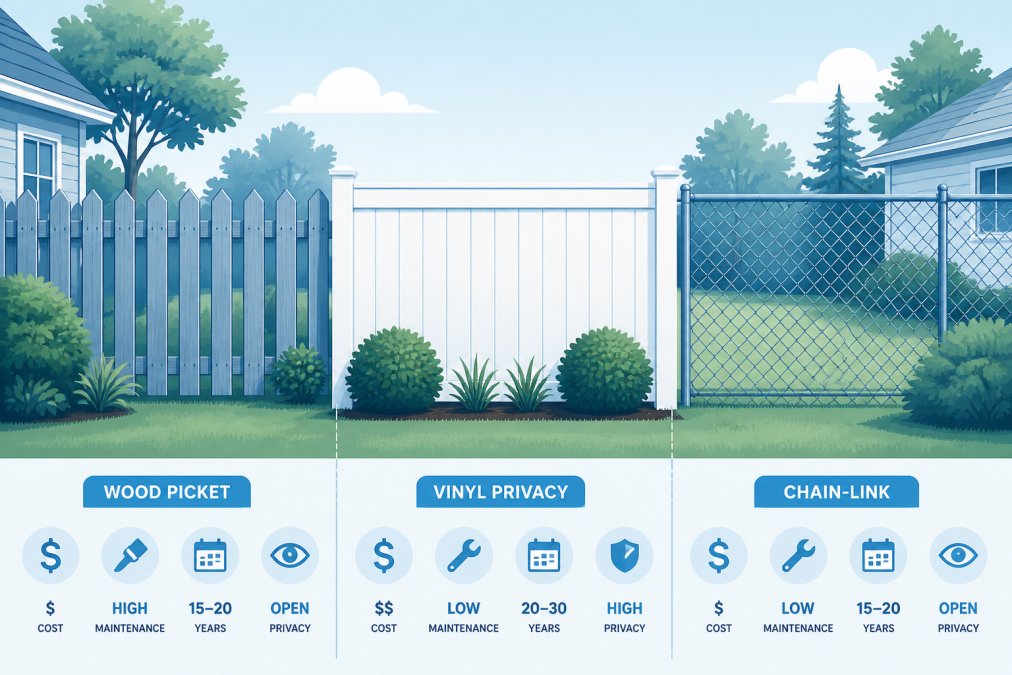
Wood Fencing: Traditional Choice with Trade-Offs
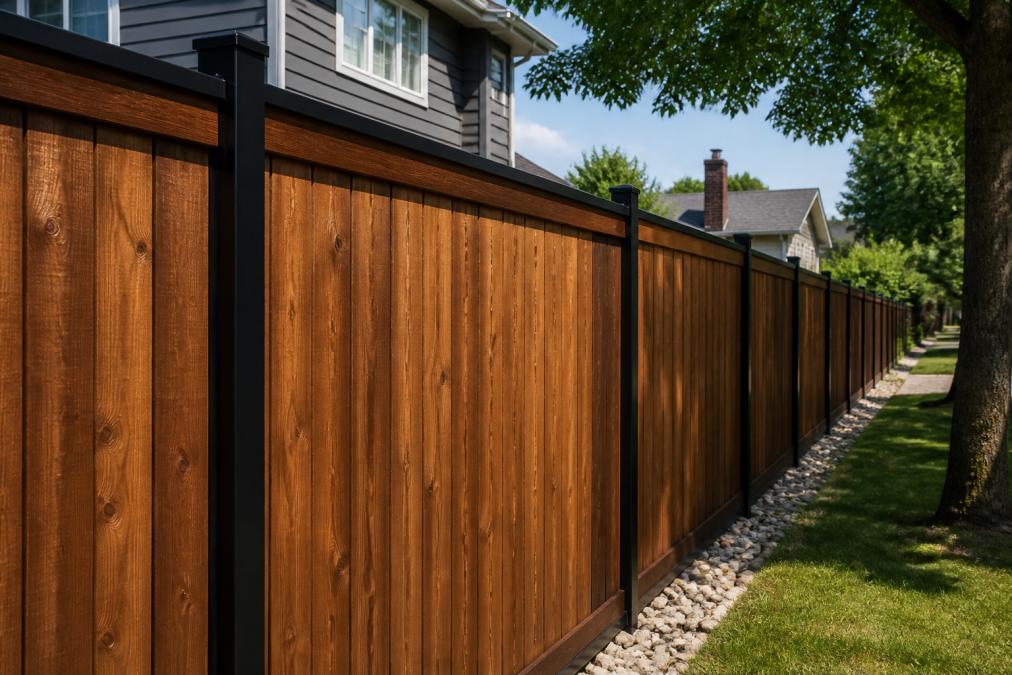
Wood remains the most popular residential fencing material because it looks good, costs less upfront, and blends with most landscapes. Pressure-treated lumber resists rot and insects far better than untreated wood. It can last 15 to 20 years with proper maintenance.
Vinyl and Composite Fencing: Low-Maintenance Alternatives
Vinyl fencing requires virtually no maintenance beyond occasional cleaning. It won't rot, splinter, or need staining. Composite materials (wood fibers mixed with plastic) offer a middle ground, they look more like wood than vinyl but require far less upkeep than solid wood.
Chain-Link and Metal Fencing for Durability
Chain-link is affordable, durable, and transparent, ideal for pet containment where dogs need sightlines. It requires minimal maintenance beyond occasional cleaning. Wrought iron and aluminum fencing offer security and aesthetics but cost significantly more. Metal fencing resists weather and lasts decades, making it a strong choice for high-security applications.
| Material | Maintenance | Lifespan | Best For | Weather Resistance |
|---|---|---|---|---|
| Pressure-treated wood | High (every 2-3 years) | 15-20 years | Traditional aesthetics | Moderate |
| Vinyl | Minimal (occasional cleaning) | 20-30 years | Low-maintenance privacy | Excellent |
| Composite | Low (occasional cleaning) | 20-25 years | Aesthetics + durability balance | Very good |
| Chain-link | Minimal (occasional cleaning) | 15-20 years | Pet containment | Good |
| Wrought iron | Moderate (rust prevention) | 30+ years | Security and aesthetics | Good (with maintenance) |
How to Check Local Zoning Laws for Fences
Before you place a single post, check your local zoning ordinances. Fence height restrictions, setback requirements, and material limitations vary by jurisdiction. Installing a fence that violates local code can result in costly removal orders or fines.
Height Restrictions and Setback Requirements
Most residential areas limit fence height to 4 to 6 feet in front yards and 6 to 8 feet in back yards. Some jurisdictions require fences to be set back a specific distance from property lines, often 6 inches to 2 feet. Setback rules exist to prevent disputes with neighbors and maintain sightlines for traffic safety.
HOA Guidelines and Property Line Easements
If your property is in a homeowners association, you're subject to additional restrictions beyond municipal code. HOA guidelines often mandate specific materials, colors, and styles. Some HOAs prohibit wood fencing entirely or require pre-approval before installation.
Residential Fence Installation Cost Estimates and Budget Planning
Cost varies widely based on material, height, length, and labor. Understanding the full picture, not just material cost, helps you budget realistically.
Material Costs and Labor Considerations
Material cost per linear foot ranges from under $5 for basic chain-link to $20 or more for premium vinyl or wrought iron. Labor typically costs as much as or more than materials, depending on site conditions. Difficult terrain, poor drainage, or rocky soil increases labor costs because post installation takes longer.
Total Cost of Ownership: Long-Term Maintenance Expenses
The cheapest fence upfront often costs the most over time. A pressure-treated wood fence might cost $8 per linear foot installed, but add $2 to $4 per linear foot every 2 to 3 years for staining and sealing. Over 20 years, maintenance costs exceed the original installation price.
How to Prepare Land for Fence Installation
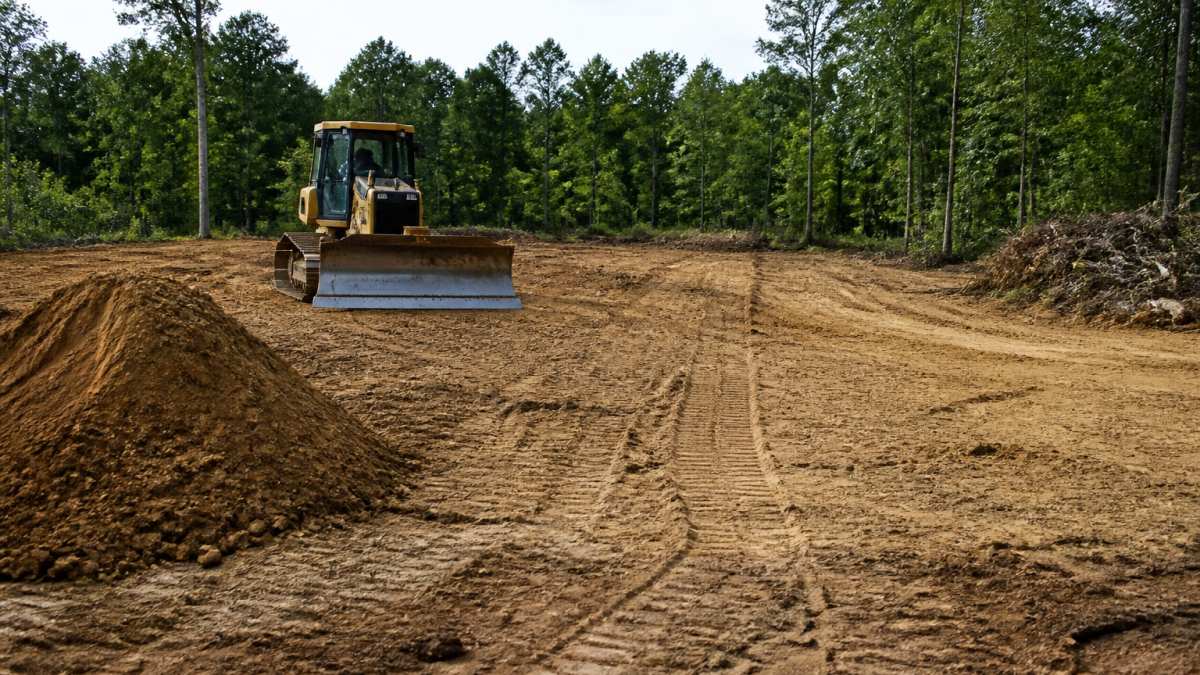
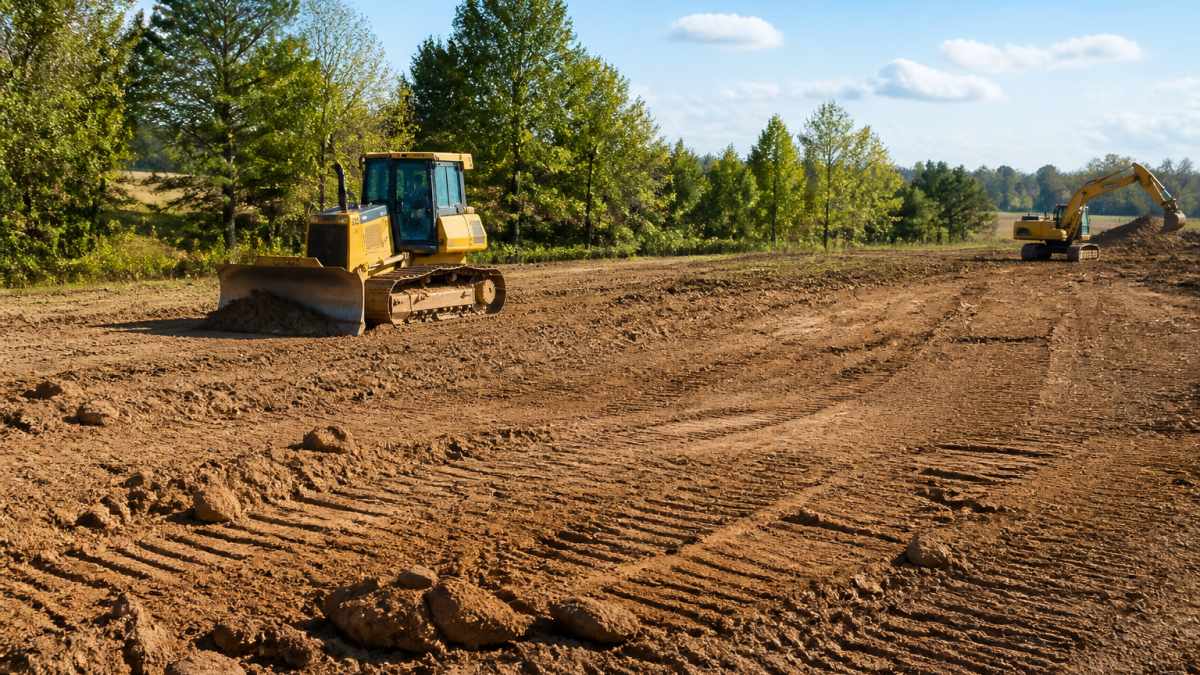
Proper site preparation prevents problems later. A fence installed on uneven ground, poor drainage, or unstable soil fails prematurely.
Site Assessment and Drainage Considerations
Before installation, assess your property's drainage. Standing water or poor drainage around fence posts accelerates rot and undermines structural integrity. If your property has drainage issues, address them before or during fence installation. This might involve grading, installing drainage lines, or adjusting post placement to avoid wet areas.
Concrete Footings and Post Installation Best Practices
Proper post installation is non-negotiable. Posts should be set in concrete footings at least 24 to 30 inches deep, deeper in areas with frost heave (freezing and thawing cycles that push posts upward). Shallow footings fail within a few years as frost heave or soil settlement shifts the posts.
Maintenance Requirements by Fence Material
Maintenance demands determine whether a fence becomes a burden or simply blends into your property.
Staining, Sealing, and Weather Resistance
Wood fencing requires staining or sealing every 2 to 3 years, more frequently in harsh climates. This isn't optional, untreated wood deteriorates rapidly. Vinyl and composite materials don't need staining but may benefit from occasional cleaning to remove algae or mildew buildup. Metal fencing requires rust prevention, typically through paint or specialized coatings.
Corrosion Resistance and Fence Longevity
Corrosion affects metal fencing in humid or coastal environments. Aluminum resists corrosion better than steel or iron, but wrought iron and steel require protective coatings. If you live near the coast or in a humid climate, aluminum or vinyl outlasts untreated metal fencing.
Sustainable and Eco-Friendly Fencing Options
If environmental impact matters to you, consider alternatives to traditional pressure-treated lumber and virgin vinyl.
Common Fencing Mistakes to Avoid
Learning from others' mistakes saves time and money.
Skipping the survey and zoning check is the most expensive mistake. Installing a fence that violates code or crosses easements forces removal and reinstallation. Shallow concrete footings fail within years, requiring post replacement. Choosing material based on price alone often leads to regret when maintenance costs mount or the fence deteriorates faster than expected.
Frequently Asked Questions
What kind of fence is best for property value?
Vinyl and composite fencing typically add the most resale value because they require minimal maintenance and have excellent longevity. Wood privacy fences also boost curb appeal if well-maintained, but buyers factor in future staining and sealing costs. Chain-link adds security but offers less aesthetic value. Choose based on your neighborhood's standards, HOA guidelines often signal which materials buyers expect in your area.
How do I determine property lines before installing a fence?
Request a property survey from your local county assessor's office or hire a professional surveyor to mark exact boundaries. Most surveys prevent costly disputes with neighbors. Check your deed and any easements that might restrict fence placement. Contact your local zoning office to confirm setback requirements, fences typically must be set back 5-10 feet from the property line depending on local ordinances.
Should I choose a 5-foot or 6-foot fence for my backyard?
Five-foot fences work for most residential privacy needs and are the standard height allowed in many areas. Six-foot fences provide extra privacy and security but may violate local zoning ordinances, check your city or county regulations first. Front-yard fences are often limited to 4 feet, while backyard fences can go higher. Consider your neighbors' sightlines and your HOA guidelines before deciding on height.
What maintenance is required for different fence materials?
Wood fencing needs staining and sealing every 2-3 years and annual inspections for rot or pest damage. Vinyl requires occasional cleaning with a hose but no staining. Composite materials need similar care to vinyl. Chain-link needs rust inspection and occasional cleaning. Plan maintenance costs into your total cost of ownership, wood requires the most upkeep, while vinyl and composite offer the lowest long-term maintenance burden.
What are common fencing mistakes to avoid?
Skipping the property survey leads to boundary disputes and costly removal. Ignoring local zoning laws results in fines or mandatory takedown. Choosing materials without considering climate, pressure-treated lumber in wet areas, corrosion-resistant metals in coastal regions. Poor drainage preparation causes post rot and foundation failure. Always verify permits and check HOA guidelines before breaking ground.
How much does residential fence installation typically cost?
Residential fence installation costs depend on material choice, fence length, site conditions, and local labor rates. Wood is generally less expensive upfront than vinyl or composite, but vinyl offers lower lifetime costs due to minimal maintenance. Chain-link is the most budget-friendly option. Site preparation, drainage work, and concrete footings add to the total. Contact OCAS Residential for a free estimate tailored to your property's specific needs and location.
Can I install a fence if my property has drainage issues?
Yes, but proper site preparation is essential. Standing water or poor drainage can rot wooden posts and compromise concrete footings within 2-3 years. Professional grading and drainage solutions ensure posts stay stable and fences last longer. OCAS Residential can assess your drainage situation, prepare the land correctly, and install your fence with long-term durability in mind. Addressing drainage upfront prevents costly repairs later.