 how-to
Hiring Site Cleanup Services After Construction
Table of Contents
- What Hiring Site Cleanup Services After Construction Includes
- Why You Need a Professional Crew: Benefits of Professional Debris Removal
- Understanding Post-Construction Debris Removal Cost
- Construction Site Safety Standards You Should Verify
- How to Vet and Hire the Right Site Cleanup Team
- Final Walkthrough Checklist Before You Accept the Job
- Conclusion: Get Your Site Ready for What's Next
- Frequently Asked Questions
Last Updated: September 9, 2026
What Hiring Site Cleanup Services After Construction Includes
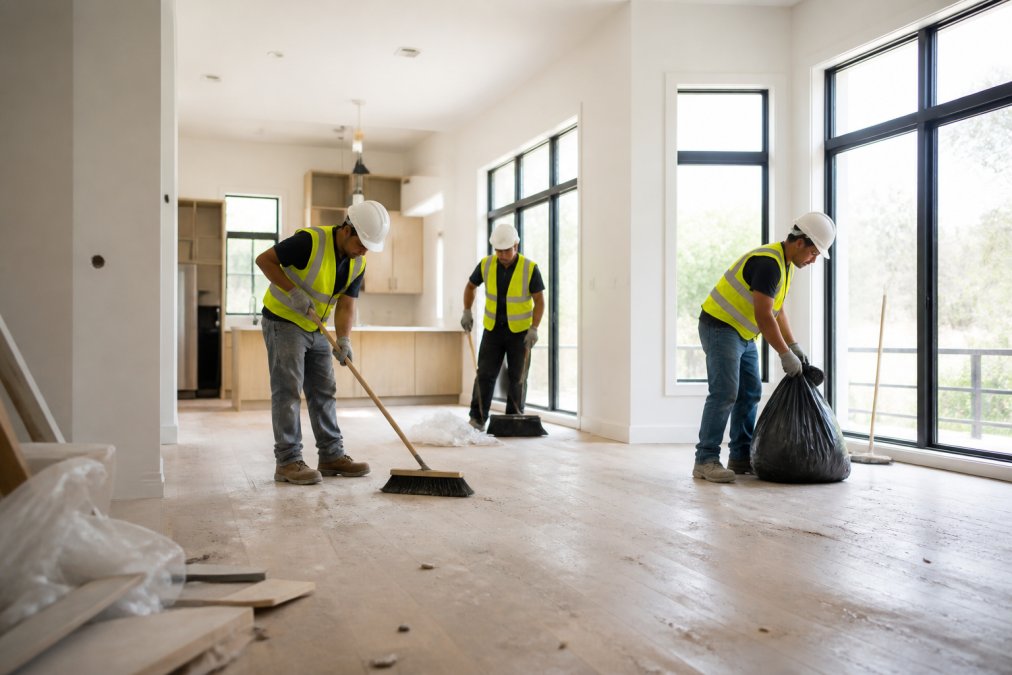
Construction projects leave behind more than dust. Nails, wood scraps, drywall debris, and fine particulate matter settle into every corner, and hiring site cleanup services after construction is the difference between a finished build and a livable space. Post-construction cleaning removes all residue and prepares the property for occupancy in three phases: rough clean, final clean, and touch-up cleaning.
The rough clean keeps the site safe during construction. The final clean is the deep scrub after contractors leave, removing dust, scraping paint from windows, and vacuuming vents. Touch-up cleaning addresses details inspectors notice, such as grout cleaning and fixture polishing. At OCAS Residential, we handle complete site cleanup and construction debris hauling so your property transitions smoothly from build site to finished home.
Why You Need a Professional Crew: Benefits of Professional Debris Removal
Professional debris removal goes beyond aesthetics. A professional crew brings industrial vacuuming equipment, commercial-grade cleaning solutions, and safety protocols for hazardous materials. Construction sites contain sharp metal, exposed wiring, and materials requiring PPE most homeowners don't own.
Cleaning a post-construction site yourself often leads to property damage and personal injury. Professionals know where dust hides: inside HVAC vent cleaning systems, behind baseboards, and in window tracks. They also understand proper debris disposal, including recycling and waste facility requirements. Hiring a crew with liability insurance protects you from claims if a worker is injured on your property.
Understanding Post-Construction Debris Removal Cost
Pricing for post-construction cleanup is rarely a single quote. It is a composite of distinct cost drivers, and understanding them is the difference between a predictable budget and a change-order nightmare. National averages are useful for a ballpark but do not reflect your specific site. Here is how professional estimators calculate the price.
The Three Cost Buckets: Labor, Disposal, and Equipment
1. Labor (Typically 60-70% of the total quote)
Labor is priced per man-hour, depending on skill level (bls.gov). A general laborer for debris hauling might cost $25-$35 per hour, while a certified crew lead commands $45-$60 per hour. Crew size is a function of timeline: a 2,000-square-foot home cleaned in one day needs four to six people; a flexible timeline allows a crew of two over three days, often at lower total cost.
2. Disposal Fees (Typically 15-25% of the total quote)
This is the line item most homeowners underestimate. Landfill tipping fees vary, but the national average for construction and demolition (C&D) debris ranges from $30 to $60 per ton (the EPA). This is only the base fee; special handling escalates the cost:
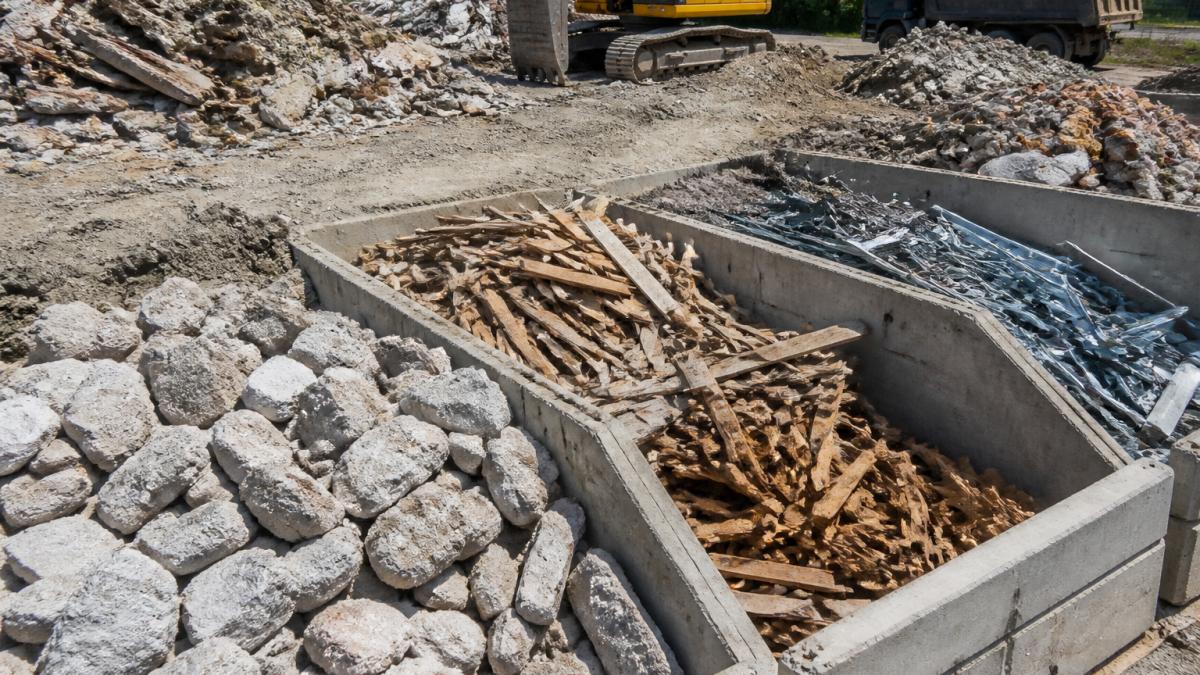
- Clean fill (dirt, concrete, brick): Often cheaper, around $20-$40 per ton, if taken to a clean-fill site.
- Mixed C&D debris: Standard landfill rates apply, but many landfills add a surcharge for loads that are not sorted.
- Hazardous waste (paint, solvents, treated wood): This requires a licensed transporter and a specialized facility. Costs can range from $200 to $500 per drum or per cubic yard.
- Recyclable materials (metal, clean wood, cardboard): Some scrap metal yards will actually pay you for ferrous metals, which can offset other disposal costs. A professional crew will know the local recycling market and should pass those savings on to you.
3. Equipment and Supplies (Typically 10-15% of the total quote)
This covers equipment rental or depreciation like HEPA-filtered vacuums, floor buffers, and pressure washers, plus consumables like cleaning chemicals and rags. A roll-off dumpster is an additional line item, typically $350-$600 for a 10-yard container.
The Per-Square-Foot Model: When It Applies and When It Misleads
The per-square-foot model ($0.15-$0.75 per square foot) is most accurate for the 'final clean' phase of a standard build, assuming rough debris is already removed. It breaks down for heavy renovations or significant structural debris, where a per-project or per-load quote is more accurate.
Estimators often quote a base price for the final clean per square foot, then add a separate line item for debris hauling based on volume. A standard 20-yard dumpster holds roughly 10 tons of mixed debris; a full home demolition might need three or four, while a kitchen remodel needs less than one.
Why 'Cheapest' Is Usually the Most Expensive Option
When a quote is significantly lower than the market average, ask what is excluded. Low-ball quotes typically omit one or more of the following:
- Dumpster rental fees (often billed as a separate 'hauling' charge later)
- Cleaning of vertical surfaces (walls, windows, and doors above shoulder height)
- HVAC vent cleaning (a specialized service that requires a separate vacuum system)
- Final touch-up (the second visit to fix spots missed after the first pass)
A reputable contractor provides a line-item estimate separating labor, disposal, and equipment. If a quote is a single lump sum, request an itemized version before signing.
How to Get an Accurate Quote: The Walkthrough Protocol
To get a quote that does not change, conduct a proper walkthrough rather than relying on a phone estimate or photo submission. The estimator will assess:
- Debris volume: The number of full dumpsters or truckloads required.
- Debris type: Whether there is hazardous material, recyclable metal, or just standard drywall and wood.
- Accessibility: Whether the crew can back a truck up to the door, or if they must carry debris through a finished interior.
- Surface conditions: Whether floors are sealed or raw concrete, and whether windows have heavy paint overspray.
- Timeline constraints: Whether you need a single-day turnaround or can accommodate a multi-day schedule.
The Hidden Cost of Delayed Cleanup
Scheduling cleanup immediately after construction has financial benefits. Many municipalities fine properties that accumulate debris beyond 30 days, and blocking a fire lane or sidewalk can bring fines of $100 to $500 per day (osha.gov). Scheduling a professional cleanup crew early prevents these penalties and ensures your Certificate of Occupancy is issued without delay.
Construction Site Safety Standards You Should Verify
Most guides tell you to 'check for safety standards' but stop short of the regulatory framework governing cleanup crews. When you hire a cleanup crew, you bring workers onto a site still governed by the Occupational Safety and Health Administration (OSHA) until the project is officially closed out. The cleanup phase is not exempt.
The OSHA Framework That Applies to Cleanup Crews
The primary regulation is 29 CFR 1926, the Safety and Health Regulations for Construction. Even if the crew is only sweeping and hauling debris, they are performing 'construction work' under this standard. Frequently cited violations during cleanup include:
- Lack of PPE (29 CFR 1926.95): The crew must have hard hats, high-visibility vests, and steel-toed boots. For fine dust, they must use N95 respirators or better, not just dust masks.
- Improper Hazard Communication (29 CFR 1926.59): If the crew handles solvents, adhesives, or chemical paint strippers, they must have Safety Data Sheets (SDS) on site for every chemical they bring in.
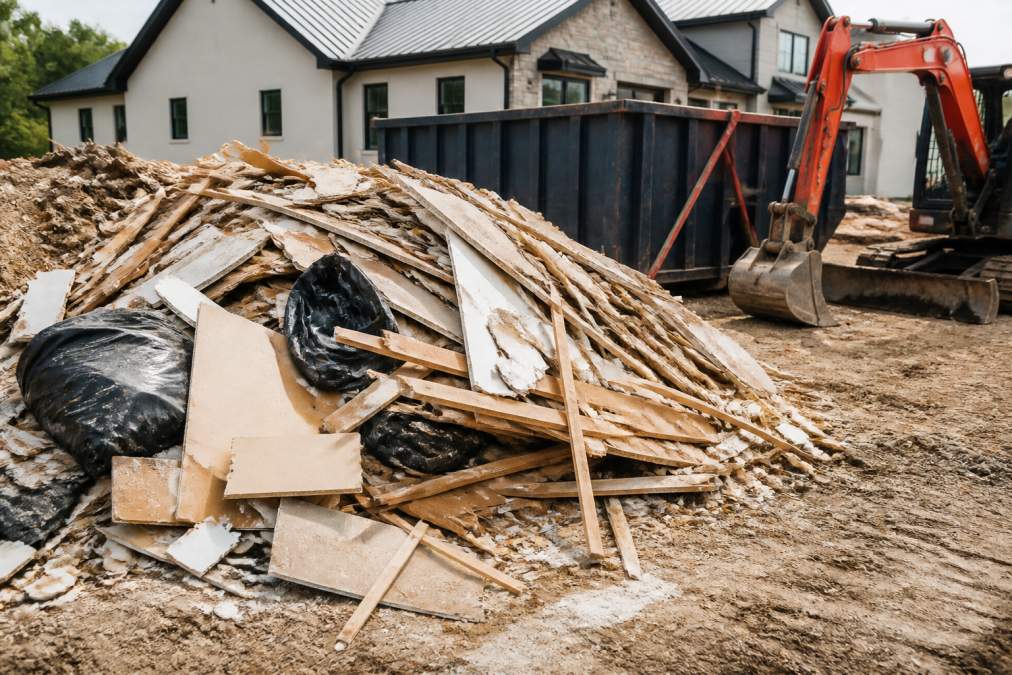
- Unsafe Debris Removal (29 CFR 1926.25): This standard requires that debris be kept clear of work areas and that scrap lumber with protruding nails be removed or bent over. A professional crew will have a process for this, not just a shovel.
- Housekeeping (29 CFR 1926.25(a)): OSHA explicitly requires that 'forms and lumber with protruding nails and all other debris shall be kept clear from work areas, passageways, and stairs.' A failure here is a direct OSHA citation, not just a cosmetic issue.
The Certification and Training You Should Demand
A professional crew must have documented proof of these rules. Before signing a contract, request the following:
- OSHA 10-Hour or 30-Hour Construction Cards: This is the baseline. The 10-hour course covers basic safety, while the 30-hour course is for supervisors. Ask for copies of the cards for the crew lead and site supervisor.
- Hazardous Waste Operations and Emergency Response (HAZWOPER) Certification: If there is any chance the site contains lead paint, asbestos, or other hazardous materials, the crew must have HAZWOPER training to handle and dispose of it legally. This is a 40-hour certification for workers and 24 hours for occasional site visitors.
- A Written Site-Specific Safety Plan: This is the most telling document. A professional contractor will provide a plan that addresses the specific hazards of your site, such as fall protection if they are cleaning gutters or upper-story windows, or lockout/tagout procedures if they are cleaning near live electrical panels.
The Liability Shift: Why 'Insured' Is Not Enough
Many homeowners assume 'insured' means protected, which is often false. If a cleanup crew is not OSHA-compliant and a worker is injured, liability can shift to the property owner under the 'controlling employer' doctrine. If you direct the work or fail to correct a known hazard, you can be held partially liable.
Verify the crew carries workers' compensation insurance, not just general liability, which covers property damage but not a worker's medical bills or lost wages. Without workers' comp, an injury claim can become a lien against your property. Ask for a Certificate of Insurance (COI) directly from the carrier, listing you as 'additional insured' and current for the project's duration.
The Environmental Safety Overlap
Safety standards extend to environmental protection. The Environmental Protection Agency (EPA) regulates construction debris disposal under the Resource Conservation and Recovery Act (RCRA) . While most drywall and wood are not hazardous, lead-based paint chips, mercury switches, and certain sealants are. A professional crew will have a manifest system for tracking hazardous waste to a licensed facility. If they dump it in a standard landfill, you can be held responsible for cleanup costs running into the tens of thousands of dollars.
The Verification Checklist
Before the crew starts, walk the site with the supervisor and verify the following in writing:
- OSHA 10/30 cards for all on-site personnel
- HAZWOPER certification if hazardous materials are suspected
- A current COI with your name as 'additional insured'
- A written site safety plan addressing fall protection, PPE, and dust control
- A waste disposal plan that identifies the landfill or recycling facility
This scrutiny is standard practice for commercial general contractors and the only way to ensure your 'finished' property does not come with hidden liability.
How to Vet and Hire the Right Site Cleanup Team
Finding the right site cleanup team requires more than a quick online search. Contractor vetting should include verifying licenses, checking insurance certificates, and reviewing past project photos. Staffing agencies like PeopleReady can supply manual labor, but they don't provide the project management and quality assurance a dedicated cleanup service offers.
Look for a company providing turnkey services rather than piecemeal labor. A team handling everything from debris hauling to final touch-ups reduces coordination headaches and keeps your timeline on track. Cleaning crew management, bid estimation, and quality assurance should be handled by the contractor, not you.
Questions to Ask Before Signing a Contract
Before you sign, ask these specific questions to avoid scope disputes later:
- Do you carry liability insurance and workers' compensation?
- What is included in your scope of work, and what is excluded?
- How do you handle hazardous materials and environmental disposal?
- Can you provide references from recent residential projects?
- What does your project walkthrough and quality assurance process look like?
- How do you handle damage to surfaces or fixtures during cleaning?
A written scope of work is essential, listing every task, its cleaning phase, and the expected completion date. Without a detailed contract, you risk paying for a surface sweep when you needed a deep clean.
Final Walkthrough Checklist Before You Accept the Job
The final walkthrough is your chance to verify the work before signing off. Bring your scope of work document and inspect systematically from the highest surfaces down. Check window frames for residual paint, run your hand along baseboards for dust, and inspect grout lines in bathrooms and kitchens.
Open every cabinet and closet, and check that HVAC vents are clean. Look for outdoor debris, including nails and wood scraps that could injure children or pets. Test all windows and verify floors have been scrubbed or vacuumed per your agreement. If you find issues, document them with photos and request a touch-up cleaning before final payment.
Conclusion: Get Your Site Ready for What's Next
Navigating post-construction cleanup requires attention to safety, cost, and quality that most homeowners don't expect. The right cleanup team protects your investment, ensures compliance, and delivers a property ready to use. That's where OCAS Residential comes in. We provide complete site cleanup and construction debris hauling alongside precision grading and land leveling, so your property is properly prepared and restored from the ground up. Our team handles drainage solutions and landscape preparation too, making us the single point of contact for transforming your outdoor space.
Frequently Asked Questions
Who is responsible for cleanup after construction?
The general contractor typically arranges final cleanup before handing over the property, but the responsibility is often written into the contract. Many homeowners hire site cleanup services separately to ensure the job meets their standards. If your contract doesn't specify, clarify it before signing. Hiring a dedicated crew keeps the work objective and ensures nothing is missed.
How much does professional construction site cleanup cost?
Post-construction debris removal cost varies widely based on square footage, debris volume, and whether you need rough, final, or touch-up cleaning. Some providers charge per square foot, while others price per project. Get a detailed quote that lists each phase of work. OCAS Residential offers free estimates so you know the full scope before committing.
What is the difference between rough and final construction cleaning?
Rough cleaning happens during construction and removes large debris, sawdust, and packaging to keep the site safe. Final cleaning occurs after construction is complete and includes detailed work like window scraping, grout cleaning, and floor scrubbing. A full-service site cleanup provider handles both phases, ensuring the property is move-in ready.
How do I know a site cleanup company will do the job right?
Ask for proof of liability insurance, verify they follow OSHA safety standards, and request references from recent residential projects. A professional crew should walk the site with you and provide a written scope of work. OCAS Residential is a local provider offering complete site cleanup and debris hauling with a focus on reliable, thorough results.
Getting your site truly clean after construction is harder than it looks. Between OSHA compliance, debris disposal logistics, and the fine dust that settles everywhere, most property owners benefit from professional help. OCAS Residential offers professional site cleanup with debris hauling, plus the grading and leveling expertise to prepare your land for what comes next. Schedule a free estimate today and let our team handle the mess so you can focus on the finish.