 comparison
Florida Land Clearing Alternatives: Methods Compared
Table of Contents
- Land Clearing Alternatives for Florida Properties
- Forestry Mulching Benefits and How It Works
- Property Grading and Drainage Solutions
- Land Clearing Regulations and Permit Requirements
- Selective Clearing vs. Full Vegetation Removal
- Professional Services vs. DIY Equipment Rental
- Post-Clearing Soil Restoration and Land Reclamation
- Choosing the Right Land Clearing Alternative
Last Updated: August 30, 2026
Land Clearing Alternatives for Florida Properties
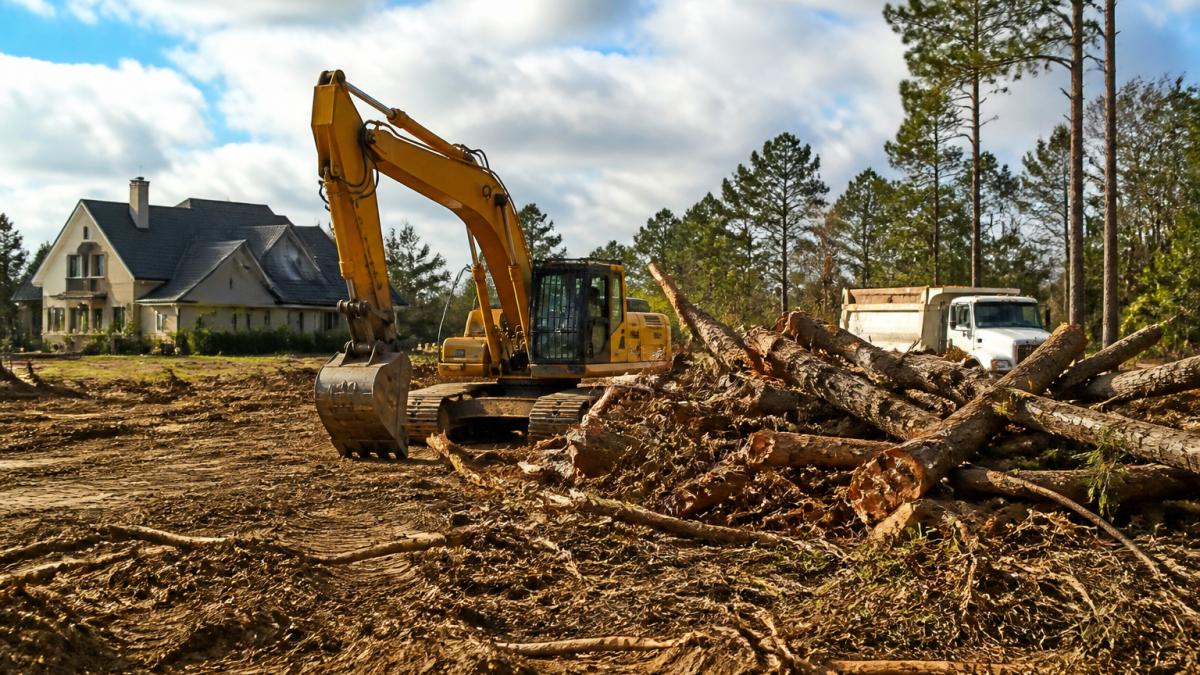
When you own property in Florida, the decision to clear land isn't simple. You're balancing development goals, environmental protection, drainage issues, and regulatory compliance all at once. The traditional approach, bulldozing everything and hauling debris away, works, but it's expensive, environmentally taxing, and often creates more problems than it solves. That's why understanding land clearing alternatives matters. Whether you're preparing a site for construction, managing erosion, or restoring overgrown acreage, the method you choose directly impacts your soil health, drainage, costs, and compliance with state regulations.
At OCAS Residential, we've worked with homeowners across Southwest Ranches, Davie, Weston, and Cooper City who faced this exact decision. The landscape has shifted. Modern land clearing alternatives offer proven ways to achieve your property goals while preserving soil quality and meeting environmental standards. This guide breaks down the major alternatives to traditional clearing, showing you how each works, and which situations suit each approach best.
Forestry Mulching Benefits and How It Works
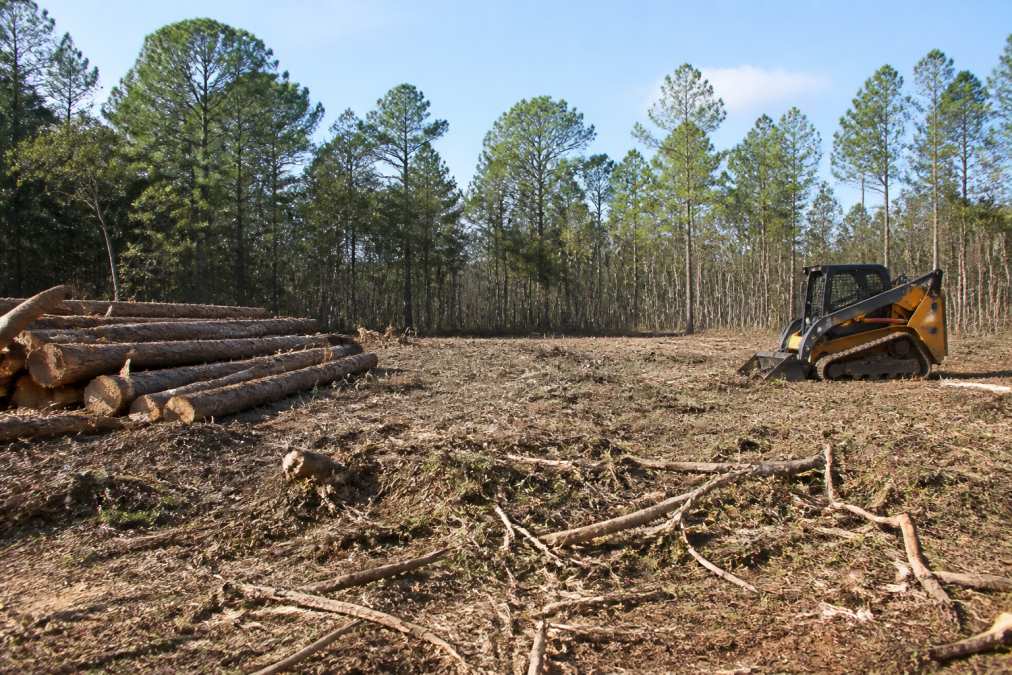
Forestry mulching has become the preferred alternative to traditional land clearing for many property owners. This single-pass process grinds trees, brush, saplings, and overgrown vegetation directly on-site, converting it into nutrient-rich mulch that stays on the ground. The equipment, typically a tracked mulcher with a powerful grinding head, processes everything from thick brush to mature trees without requiring secondary debris removal or hauling.
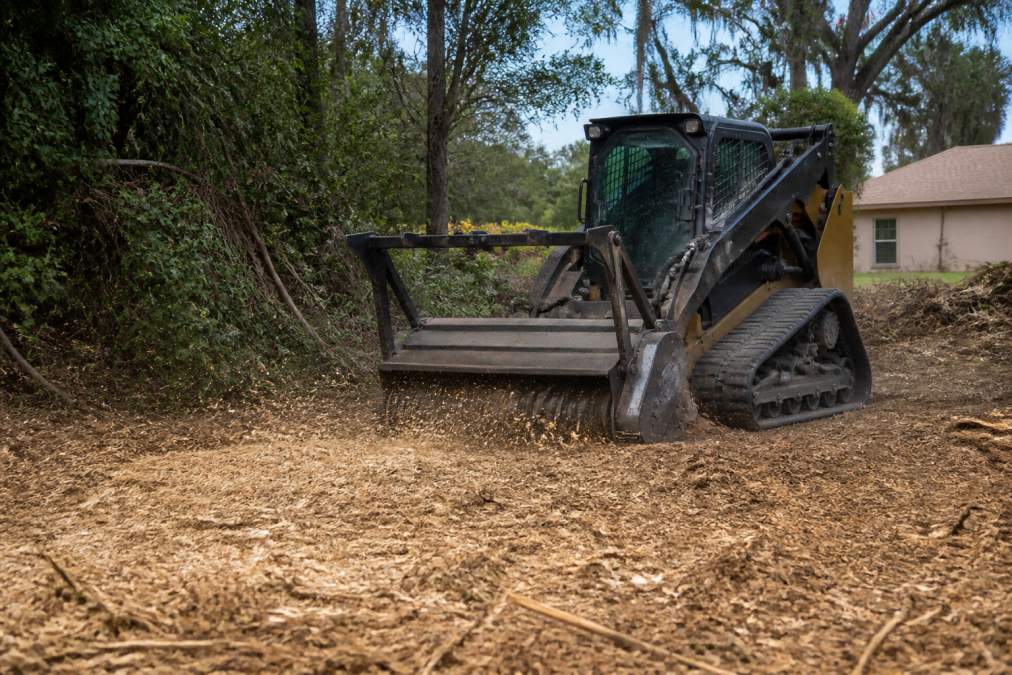
The process works in one continuous operation. Unlike traditional clearing, which involves felling trees, chipping debris, and hauling materials away, forestry mulching eliminates the need for multiple equipment passes and off-site disposal. This efficiency translates directly to faster project completion and reduced overall disruption to your property.
Soil Health and Erosion Control
The mulch left behind after forestry mulching serves as a protective ground cover that reduces soil disturbance and erosion. In Florida's sandy soils, this matters significantly. The mulch layer retains moisture, moderates soil temperature, and gradually breaks down to enrich the topsoil with organic material. Over time, this builds soil structure, something bulldozing destroys entirely.
Erosion control is particularly important on sloped properties or those near waterways. Sediment control regulations in Florida require that you prevent soil runoff into storm drains, wetlands, or surface water. Forestry mulching leaves the root systems partially intact and covers exposed soil with protective mulch, reducing the sediment that would otherwise wash away during heavy rain. The nutrient-rich mulch also supports native vegetation regrowth, which further stabilizes slopes and reduces erosion.
Environmental Impact and Carbon Footprint
Forestry mulching is significantly more eco-friendly than traditional land clearing methods. By grinding vegetation on-site rather than hauling it to landfills, you eliminate transportation emissions and reduce the carbon footprint of the entire project. The mulch itself becomes a soil amendment rather than waste, improving site conditions instead of consuming landfill capacity.
This approach also supports sustainable land management goals. Rather than leaving bare, compacted soil vulnerable to erosion and invasive species colonization, forestry mulching creates conditions where native plants can reestablish. The organic matter left on-site feeds soil microbes and fungi that support long-term ecosystem recovery.
Property Grading and Drainage Solutions
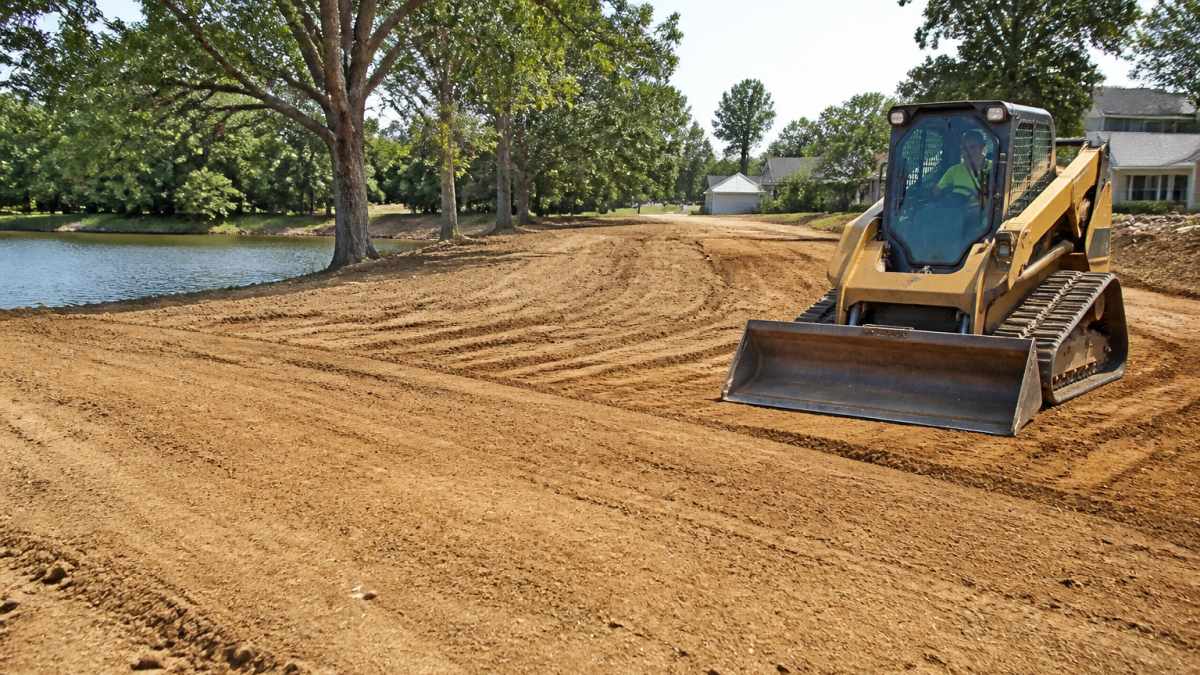
Grading reshapes your land's surface to manage water flow and prepare sites for construction or landscaping. Unlike forestry mulching, which removes vegetation, grading involves moving soil to create proper slopes, fill low spots, and establish drainage patterns. For properties with standing water, poor drainage, or uneven terrain, grading is often essential.
Site Preparation for Construction
If you're building a new home or addition, precision grading ensures your foundation sits on stable, properly compacted soil. Poor grading leads to foundation settling, cracking, and costly repairs down the line. Site preparation involves removing topsoil in building areas, grading the subgrade to proper elevation and slope, compacting the soil in layers, and then restoring topsoil for landscaping.
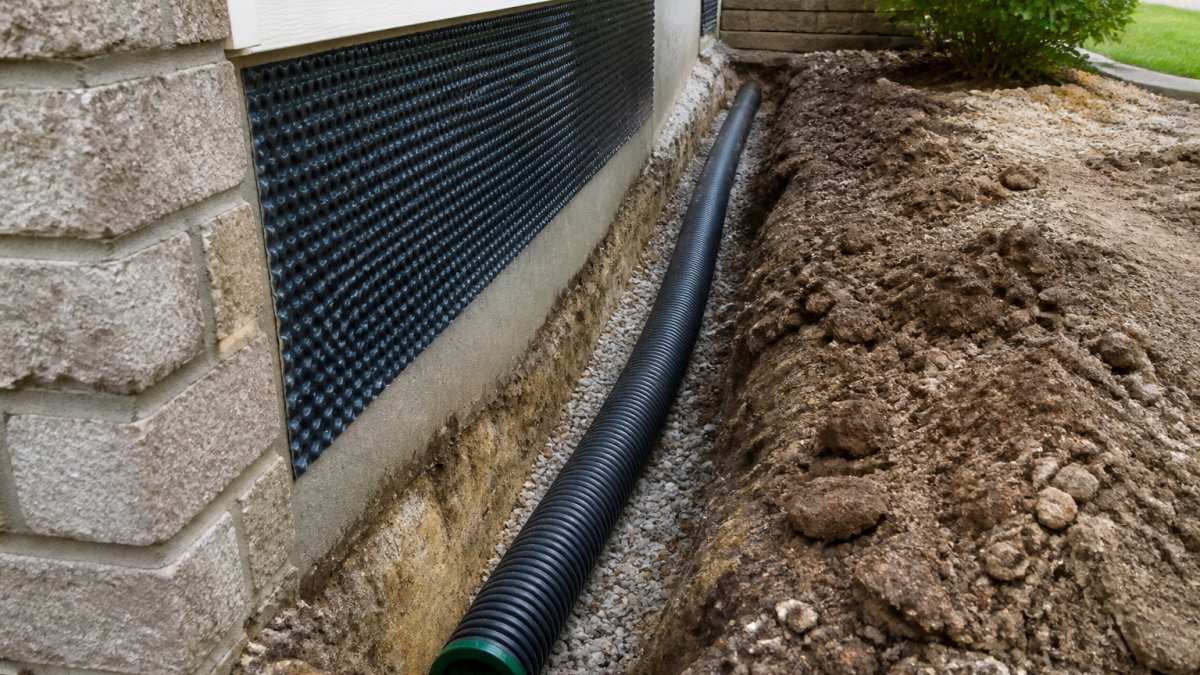
OCAS Residential specializes in precision grading for new construction, ensuring your site meets building code requirements and your foundation has a solid base. The grading process also establishes drainage patterns that direct water away from structures, critical in Florida's wet climate where improper drainage creates foundation problems and landscape erosion.
Grading vs. Traditional Clearing Methods
Grading and traditional clearing serve different purposes, though they're often combined. Traditional clearing removes vegetation and debris; grading shapes the remaining soil. Traditional methods typically involve heavy bulldozers pushing vegetation into piles for hauling, which compacts soil and destroys structure. Grading uses equipment more precisely to achieve specific elevations and slopes while minimizing soil disturbance.
The key difference: traditional clearing is destructive; grading is constructive. You can clear land without grading it, but most development projects require both, clearing to remove obstacles, then grading to prepare the site properly.
Land Clearing Regulations and Permit Requirements
Florida's environmental and building regulations govern how you can clear land. Understanding these requirements before starting work prevents costly delays, fines, and the need to restore improperly cleared sites.
Wetland Protection and Environmental Compliance
Wetlands in Florida are protected under the Clean Water Act and state environmental regulations (the EPA). If your property contains wetlands, isolated wetland areas, or is within a wetland buffer zone, you'll need permits from the Florida Department of Environmental Protection before clearing (dep.state.fl.us). Unpermitted wetland disturbance carries significant penalties (the EPA).
Even if your property isn't in a designated wetland, regulations require sediment and erosion control during any land clearing activity. This means you must prevent soil runoff into storm drains, surface water, or neighboring properties. Proper grading, mulching, and temporary erosion control measures, like sediment barriers or retention ponds, are often required by local building departments.
Before clearing, have your property surveyed and assessed for wetlands and environmental constraints. Local government agencies in Southwest Ranches, Davie, Weston, and Cooper City have specific land clearing regulations that may require permits, environmental assessments, or restricted clearing methods in sensitive areas. OCAS Residential handles site assessments and works within these regulatory frameworks to ensure your project stays compliant.
Selective Clearing vs. Full Vegetation Removal
Not every property needs complete vegetation removal. Selective clearing removes specific trees, brush, or problem vegetation while preserving desirable plants, shade trees, and mature specimens that add property value.
Native vs. Invasive Species Management
Florida's landscape includes both native plants that support local ecosystems and invasive species that degrade habitat and compete with desirable vegetation. A selective clearing approach removes invasive species, like Brazilian pepper, Australian pine, or cogon grass, while preserving native oaks, palmettos, and understory plants.
This distinction matters for several reasons. Native vegetation is adapted to Florida's climate, requires less maintenance once established, supports wildlife, and often looks better than invasive alternatives. Invasive species grow aggressively, require ongoing management, and often create dense, unusable spaces. Selective clearing that targets invasives while preserving natives improves both property function and environmental value.
If your property has valuable mature trees or native understory vegetation, selective clearing preserves these assets while removing problem growth. Full vegetation removal makes sense for construction sites or severely overgrown properties, but selective clearing often delivers better long-term results for landscape restoration and property improvement.
Professional Services vs. DIY Equipment Rental
You have two paths: hire professional land clearing services or rent equipment and do the work yourself. Each approach has real trade-offs in cost, time, expertise, and results.
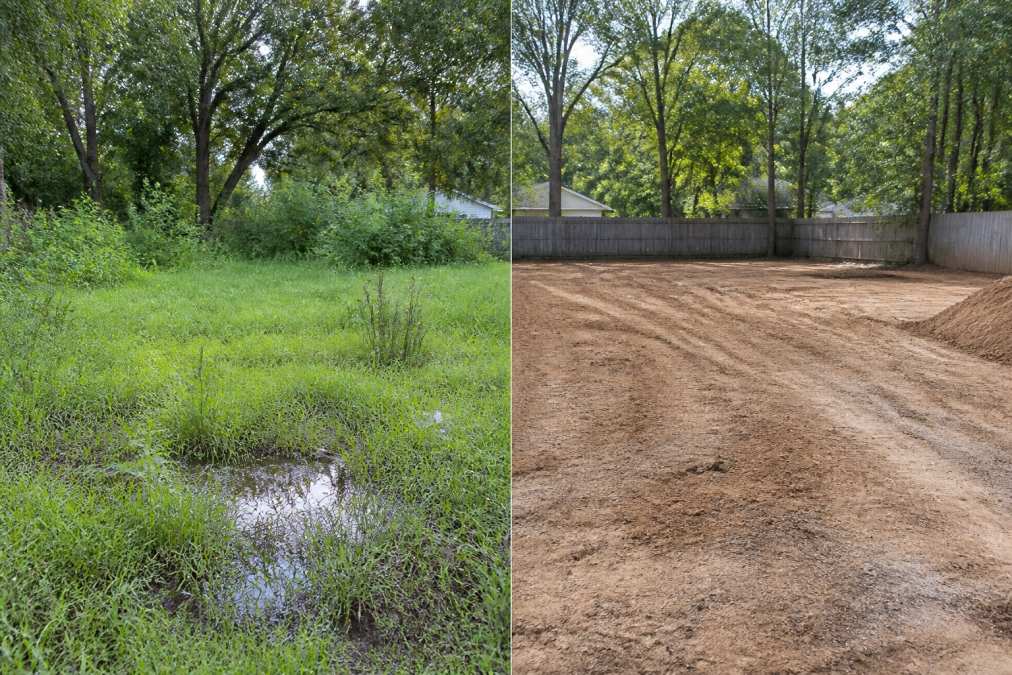
Professional services handle everything, site assessment, permitting, equipment operation, debris removal, and final cleanup. You pay for expertise and labor, but the project gets done correctly with proper equipment and regulatory compliance. Professionals understand Florida's specific environmental requirements, know which methods work best for different soil types, and carry insurance protecting you from liability.
DIY equipment rental puts you in control of timing and costs, but requires you to operate heavy machinery safely, understand grading and drainage principles, handle your own permitting, and manage debris disposal. Rental costs seem lower upfront, but mistakes are expensive. Improper grading creates drainage problems; incorrect equipment operation damages soil structure; unpermitted work triggers fines and mandatory restoration.
For small projects, clearing a corner lot or removing a few problem trees, rental might make sense if you have equipment experience. For larger properties, construction site prep, or drainage solutions, professional services deliver better results and protect you from costly mistakes. OCAS Residential offers complete land clearing alternatives including grading, site preparation, debris hauling, and drainage solutions, handling the complexity so you don't have to.
Post-Clearing Soil Restoration and Land Reclamation
After clearing, your property needs restoration. Bare soil is vulnerable to erosion, compaction, and invasive species colonization. Post-clearing restoration determines whether your site becomes usable, healthy landscape or a problem area requiring ongoing management.
Soil restoration involves several steps. First, assess what you have, topsoil depth, soil composition, compaction levels, and erosion risk. Then add amendments if needed: compost, mulch, or other organic material to rebuild soil structure and fertility. Finally, stabilize the surface through erosion control measures, native plantings, or landscape preparation for your intended use.
Land reclamation goes further, actively restoring degraded sites to productive use. This might mean removing contaminated soil, reshaping severely eroded areas, establishing native vegetation, or preparing the site for development. Reclamation projects typically take longer and cost more than basic restoration, but they transform unusable property into valuable landscape.
The mulch left by forestry mulching accelerates natural soil restoration. The organic matter feeds soil biology, improves water retention, and provides a foundation for native plant regrowth. In contrast, bare soil from traditional clearing requires active restoration work, adding mulch, controlling erosion, and often replanting to prevent problems.
Choosing the Right Land Clearing Alternative
Your choice depends on your property's condition, your goals, regulatory constraints, and budget. Here's how to think through the decision:
Start with site assessment. What's on your property? Dense brush and small trees suit forestry mulching. Mature trees you want to preserve call for selective clearing. Drainage problems require grading. Severe erosion or contamination needs reclamation. A professional site assessment identifies constraints, wetlands, slopes, soil type, that determine which methods work.
Consider your timeline. Forestry mulching is fastest; grading takes longer; reclamation takes longest. If you need the site ready for construction in weeks, that shapes your approach. If you're restoring a property over months, you have more flexibility.
Factor in regulations. Wetland areas, sensitive slopes, or environmentally constrained sites have specific requirements. Methods that work on one property may be prohibited on another. Check with your local building department before committing to an approach.
Think about soil health. If you're keeping the property long-term or building on it, soil quality matters. Forestry mulching and selective clearing preserve soil structure better than traditional methods. Proper grading and restoration create the foundation for healthy landscape development.
Evaluate costs realistically. Professional services cost more upfront but prevent expensive mistakes. DIY rental seems cheaper but often isn't when you factor in your time, equipment damage, and corrections. Get quotes from multiple providers, OCAS Residential offers free estimates for land clearing alternatives, grading, and site preparation, and compare not just price but what each service includes.
The right land clearing alternative for your property depends on your specific situation, but the trend is clear: traditional bulldozing is giving way to more sophisticated, environmentally responsible approaches. Forestry mulching preserves soil and reduces waste. Selective clearing protects valuable vegetation while removing problems. Professional grading solves drainage issues and prepares solid foundations. Post-clearing restoration transforms cleared sites into usable landscape.
OCAS Residential brings expertise in all these alternatives, handling site assessment, proper grading, complete debris removal, and landscape preparation. We understand Florida's environmental requirements and work within local regulations to deliver results that protect your property and meet compliance standards. Schedule a free estimate and let us assess your property's specific needs.
=== FAQ ANSWERS (audit these too, same rules) ===
[1] Q: What are the main land clearing alternatives available for residential properties? A: The primary land clearing alternatives include forestry mulching, traditional bulldozing and debris removal, selective clearing, grading and site preparation, and professional hauling services. Forestry mulching grinds vegetation on-site into protective mulch, reducing erosion and preserving soil health. Traditional methods involve removing and hauling debris off-property. Selective clearing targets invasive species while preserving native plants. Grading prepares land for construction or drainage improvement. Each alternative serves different goals: environmental preservation, cost efficiency, regulatory compliance, or construction readiness. Your choice depends on property size, budget, environmental concerns, and project objectives.
[2] Q: How do forestry mulching benefits compare to traditional land clearing methods? A: Forestry mulching offers significant advantages over traditional clearing. It eliminates erosion by leaving nutrient-rich mulch on-site, improving soil structure and moisture retention in sandy Florida soils. Traditional methods remove all debris, requiring expensive hauling and leaving exposed soil vulnerable to erosion and sediment runoff. Forestry mulching reduces carbon footprint by eliminating transport, preserves topsoil, and creates a natural ground cover that prevents invasive species regrowth. Both methods require proper permits and environmental compliance.
[3] Q: Do I need permits for land clearing on my residential property? A: Yes, most residential land clearing in Florida requires permits and environmental compliance review. Regulations vary by county and municipality, but generally protect wetlands, native vegetation, and water resources. You must obtain permits before clearing near wetlands, removing protected species, or working in environmentally sensitive areas. Failure to secure proper land clearing regulations compliance can result in fines and mandatory restoration. Professional land clearing services handle permit requirements and ensure compliance with local environmental standards, protecting you from legal and financial liability. Always verify specific requirements with your county environmental management office before starting any clearing work.
[4] Q: What is involved in post-clearing soil restoration and land reclamation? A: Post-clearing restoration addresses soil compaction, nutrient depletion, and erosion damage left after vegetation removal. Restoration includes topsoil assessment, adding organic matter or nutrient-rich mulch, grading to improve drainage, and planting native vegetation to prevent erosion and invasive species colonization. Forestry mulching simplifies this process by leaving beneficial mulch in place. For heavily disturbed sites, professional soil restoration involves testing soil composition, amending with compost or lime as needed, and establishing ground cover or landscaping. Proper restoration prevents long-term drainage problems, property value decline, and environmental degradation. The cost and complexity of restoration depend on the clearing method used and site conditions.
[5] Q: How much does land clearing cost, and what factors affect pricing? A: Land clearing costs vary significantly based on property size, vegetation density, terrain, clearing method, permit requirements, and hauling distance. Forestry mulching typically costs less than traditional debris removal because it eliminates hauling expenses. Pricing depends on equipment type and job complexity. Small residential jobs may have different pricing structures than large acreage clearing. Drainage solutions, site grading, and post-clearing restoration add to overall costs. For accurate pricing specific to your property, schedule a free estimate with a professional service provider who can assess your site's unique conditions and provide transparent quotes based on your actual needs.
Frequently Asked Questions
What are the main land clearing alternatives available for residential properties?
The primary land clearing alternatives include forestry mulching, traditional bulldozing and debris removal, selective clearing, grading and site preparation, and professional hauling services. Forestry mulching grinds vegetation on-site into protective mulch, reducing erosion and preserving soil health. Traditional methods involve removing and hauling debris off-property. Selective clearing targets invasive species while preserving native plants. Grading prepares land for construction or drainage improvement. Each alternative serves different goals: environmental preservation, cost efficiency, regulatory compliance, or construction readiness. Your choice depends on property size, budget, environmental concerns, and project objectives.
How do forestry mulching benefits compare to traditional land clearing methods?
Forestry mulching offers significant advantages over traditional clearing. It eliminates erosion by leaving nutrient-rich mulch on-site, improving soil structure and moisture retention in sandy Florida soils. Traditional methods remove all debris, requiring expensive hauling and leaving exposed soil vulnerable to erosion and sediment runoff. Forestry mulching reduces carbon footprint by eliminating transport, preserves topsoil, and creates a natural ground cover that prevents invasive species regrowth. Both methods require proper permits and environmental compliance.
Do I need permits for land clearing on my residential property?
Yes, most residential land clearing in Florida requires permits and environmental compliance review. Regulations vary by county and municipality, but generally protect wetlands, native vegetation, and water resources. You must obtain permits before clearing near wetlands, removing protected species, or working in environmentally sensitive areas. Failure to secure proper land clearing regulations compliance can result in fines and mandatory restoration. Professional land clearing services handle permit requirements and ensure compliance with local environmental standards, protecting you from legal and financial liability. Always verify specific requirements with your county environmental management office before starting any clearing work.
What is involved in post-clearing soil restoration and land reclamation?
Post-clearing restoration addresses soil compaction, nutrient depletion, and erosion damage left after vegetation removal. Restoration includes topsoil assessment, adding organic matter or nutrient-rich mulch, grading to improve drainage, and planting native vegetation to prevent erosion and invasive species colonization. Forestry mulching simplifies this process by leaving beneficial mulch in place. For heavily disturbed sites, professional soil restoration involves testing soil composition, amending with compost or lime as needed, and establishing ground cover or landscaping. Proper restoration prevents long-term drainage problems, property value decline, and environmental degradation. The cost and complexity of restoration depend on the clearing method used and site conditions.
How much does land clearing cost, and what factors affect pricing?
Land clearing costs vary significantly based on property size, vegetation density, terrain, clearing method, permit requirements, and hauling distance. Forestry mulching typically costs less than traditional debris removal because it eliminates hauling expenses. Pricing depends on equipment type and job complexity. Small residential jobs may have different pricing structures than large acreage clearing. Drainage solutions, site grading, and post-clearing restoration add to overall costs. For accurate pricing specific to your property, schedule a free estimate with a professional service provider who can assess your site's unique conditions and provide transparent quotes based on your actual needs.
This article was written using GrandRanker